
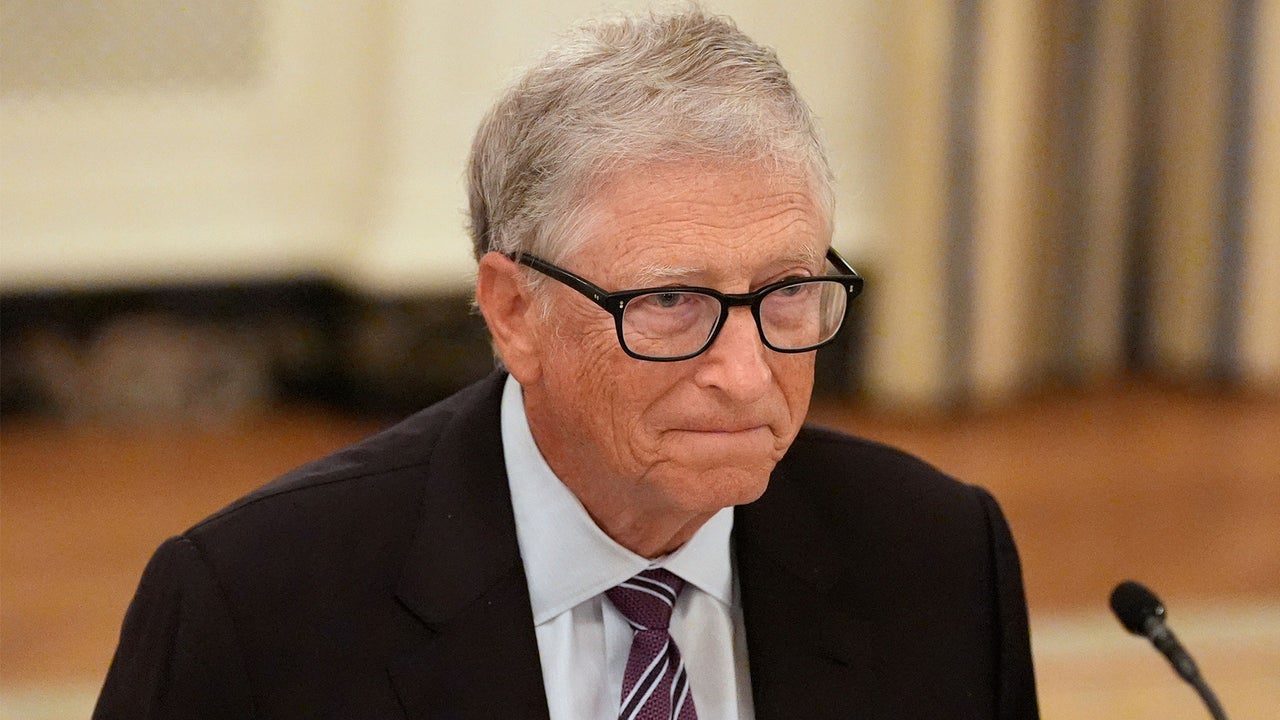
Bill Gates Becomes the Latest High-Profile Figure to Testify in the Epstein Investigation
Microsoft co-founder and billionaire philanthropist Bill Gates is set to appear before a congressional panel as part of the ongoing investigation into the late financier Jeffrey Epstein. Gates will testify behind closed doors before the House Oversight Committee, joining a growing list of powerful individuals who have been called to answer questions related to the sprawling Epstein probe. The development marks another significant chapter in an investigation that has already ensnared some of the world's most prominent names in business, technology, finance, and politics.
What Is the House Oversight Committee Investigating?
The House Oversight Committee, chaired by Republican U.S. Representative James Comer, has been actively pursuing interviews with individuals named or referenced in documents released by the U.S. Department of Justice as part of its investigation into Jeffrey Epstein. Epstein, a convicted sex offender, died in federal custody in 2019 under circumstances that remain controversial. His connections to a vast network of wealthy and influential people have continued to draw scrutiny long after his death.
The committee has been conducting these interviews privately, behind closed doors — a practice that has been consistent throughout the investigation. Transcripts of the sessions are typically made available to the public at a later date, ensuring some level of transparency even when the initial proceedings are kept out of the spotlight. Chairman Comer formally requested that Gates appear after the billionaire's name surfaced multiple times in a large trove of documents released by the Justice Department.
How Is Bill Gates Connected to Jeffrey Epstein?
The released documents paint a detailed picture of a relationship between Gates and Epstein that extended across several years. Among the materials disclosed are calendar entries documenting scheduled meetings between the two men, email exchanges discussing potential philanthropic initiatives, and photographs of Gates attending events where Epstein was also present. These records have raised serious questions about the depth and nature of their association.
It is important to note that Gates, like all other individuals named in the Epstein files, has denied any involvement in Epstein's criminal activities. His representatives have previously acknowledged that Gates met with Epstein on a number of occasions, stating that the meetings were related to philanthropic efforts, particularly those connected to global health initiatives. However, critics have pointed out that some of these interactions reportedly took place after Epstein had already pleaded guilty to state charges of soliciting prostitution from a minor in 2008 — a detail that has amplified public concern.
A Who's Who of Powerful Men
The Epstein files have functioned as an extraordinary window into the social world of one of the most controversial figures of the modern era. The documents read, in the words of many observers, like a who's who of powerful men from across multiple industries. Tech executives, Wall Street financiers, political figures, and celebrities all appear in the records in various capacities.
The breadth of these connections has fueled public demand for accountability and transparency. Some of the individuals named have faced professional consequences or reputational damage, while others have largely moved forward without significant fallout. The committee's decision to call witnesses like Gates signals that lawmakers are intent on conducting a thorough examination of these associations rather than allowing the matter to quietly fade from public attention.
Why This Testimony Matters
The significance of Gates's testimony extends well beyond his personal circumstances. As one of the world's wealthiest and most recognized individuals — and as the head of one of the most influential philanthropic organizations on the planet through the Bill & Melinda Gates Foundation — his appearance before Congress carries enormous symbolic weight. It underscores the committee's message that no individual is above scrutiny, regardless of their wealth, status, or charitable contributions.
For the broader public, the testimony represents an opportunity to gain greater clarity about how and why powerful individuals maintained ties to Epstein, even as his history of sexual abuse became increasingly well-known. While testifying before the committee does not imply guilt or wrongdoing, it does place Gates in the uncomfortable position of having to address questions about his judgment and associations under the oversight of elected officials.
The Epstein Investigation: A Long and Winding Road
The investigation into Jeffrey Epstein's network of associates and enablers has been one of the most closely watched legal and political stories of recent years. After his arrest in July 2019 on federal sex trafficking charges and his subsequent death in August of that year, the full scope of his relationships and activities became the subject of intense public and judicial scrutiny. His longtime associate Ghislaine Maxwell was later convicted on multiple charges related to the sexual abuse and trafficking of minors and is currently serving a federal prison sentence.
The release of documents by the Justice Department has only intensified the public's appetite for answers. Advocacy groups, journalists, and survivors have continued to push for full disclosure of all materials related to Epstein's network, arguing that transparency is essential for both accountability and justice.
What Happens Next
Following Gates's closed-door session with the committee, the transcript of his testimony is expected to be released publicly, consistent with how the committee has handled similar interviews throughout the investigation. Legal and political analysts will be watching closely to see what new details, if any, emerge from the session.
As the House Oversight Committee continues its work, additional figures may yet be called to testify. The investigation shows no signs of slowing down, and the political and public pressure to deliver meaningful accountability remains intense. For now, the appearance of Bill Gates before Congress stands as one of the most high-profile moments yet in a probe that has already reshaped conversations about power, privilege, and responsibility at the highest levels of society.
Key Takeaways
- Bill Gates is scheduled to testify before the House Oversight Committee in connection with the Jeffrey Epstein investigation, following a formal request from committee chairman Rep. James Comer.
- The testimony will take place behind closed doors, though transcripts are expected to be released publicly afterward.
- Documents released by the Department of Justice include calendar entries, emails, and photographs connecting Gates to Epstein.
- Gates has denied any involvement in Epstein's criminal activities; however, their documented interactions have raised ongoing questions.
- The Epstein investigation continues to draw in high-profile figures from tech, finance, and politics, reflecting the wide reach of Epstein's social network.