
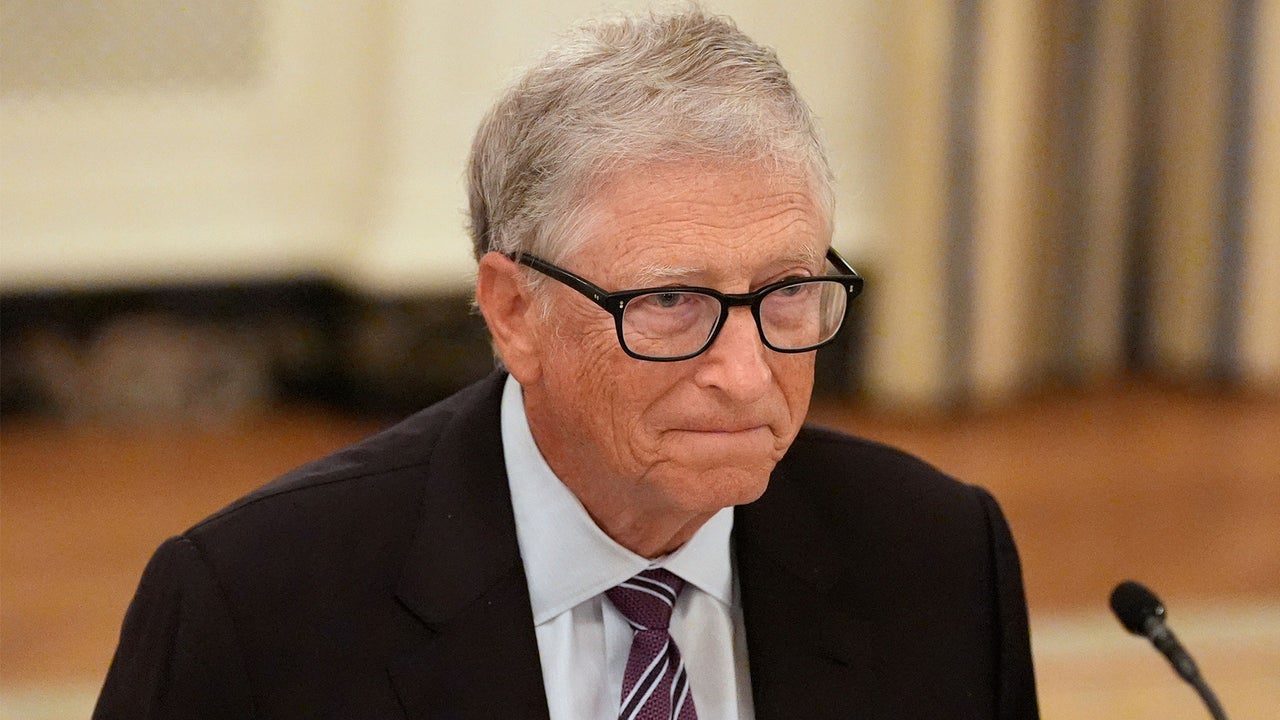
Bill Gates Becomes the Latest High-Profile Figure to Testify in the Epstein Investigation
Bill Gates, the billionaire co-founder of Microsoft and one of the world's most recognized philanthropists, appeared before a congressional panel as part of the ongoing investigation into the late disgraced financier Jeffrey Epstein. The closed-door testimony before the House Oversight Committee marks another significant moment in a probe that has drawn in some of the most powerful names in technology, finance, politics, and beyond.
As the Epstein files continue to make headlines and reshape public understanding of his vast network of influence, Gates joins a growing list of prominent individuals who have been called to account for their associations with Epstein — even as all parties involved have consistently denied any participation in his crimes.
Why Was Bill Gates Called to Testify?
Republican Representative James Comer, the chairman of the House Oversight Committee, formally requested that Gates appear before the panel after the Microsoft co-founder's name surfaced multiple times in a large trove of documents released by the U.S. Department of Justice as part of its wider Epstein investigation.
The documents in question paint a detailed picture of Epstein's extensive connections to wealthy and powerful men across multiple industries. Specifically, the materials involving Gates include:
- Calendar entries documenting meetings between Gates and Epstein on multiple occasions.
- Email correspondence between the two men discussing philanthropic projects and charitable initiatives.
- Photographs of Gates at events that Epstein also attended.
These materials raised enough questions among committee members to warrant Gates's inclusion in the investigation's interview process. Like other witnesses questioned by the committee, Gates's testimony was conducted behind closed doors — a standard practice the committee has followed throughout its investigation. Transcripts from such interviews are typically released to the public at a later date.
What Are the Epstein Files?
The so-called Epstein files refer to a collection of documents, communications, and records tied to Jeffrey Epstein, the wealthy financier and convicted sex offender who died in a federal detention center in August 2019 under circumstances that continue to prompt public debate. Epstein was arrested on federal charges of sex trafficking involving minors before his death, and investigations into his network of associates and enablers have continued well beyond his passing.
The Justice Department's release of a significant portion of these documents has reignited interest in Epstein's social connections and business dealings. The files read, as many observers have noted, like a who's who of elite society — featuring names from the worlds of technology, finance, politics, entertainment, and academia. The sheer breadth of associations documented in the files has made the ongoing congressional investigation one of the most closely watched proceedings in recent memory.
It is worth noting that appearance in the files does not constitute evidence of wrongdoing. Every individual named or referenced in the documents has denied involvement in Epstein's criminal activities.
A Pattern of High-Profile Testimonies
Gates is far from the only powerful figure to have been called before the House Oversight Committee in connection with the Epstein investigation. The probe has steadily worked its way through a list of business leaders, public figures, and others whose names appear in the released documents.
This pattern of testimony reflects the committee's broader mandate: to understand the full scope of Epstein's network, to examine whether powerful connections shielded him from accountability over the years, and to determine whether any systemic failures in law enforcement or institutional oversight allowed his alleged crimes to continue for as long as they reportedly did.
The committee's approach — conducting interviews behind closed doors and releasing transcripts afterward — has allowed for a methodical and relatively controlled process, though it has also drawn criticism from those who argue that greater transparency in real time would better serve the public interest.
Gates and Epstein: A Timeline of Contact
The relationship between Gates and Epstein has been a subject of public scrutiny for several years, predating the most recent document releases. Reports emerged as early as 2019 that Gates had met with Epstein on multiple occasions, including visits to Epstein's Manhattan townhouse, even after Epstein had pleaded guilty in 2008 to state charges of soliciting prostitution from a minor in Florida.
Gates and his representatives have previously stated that he regretted his association with Epstein and that the relationship was centered on philanthropic discussions related to global health and other charitable causes. The newly released documents, including the calendar entries and email correspondence, have provided additional detail about the nature and frequency of those interactions, prompting lawmakers to seek further clarification directly from Gates.
The Broader Implications of the Epstein Investigation
The congressional investigation into the Epstein files carries implications that extend well beyond any single individual's testimony. At its core, the probe raises fundamental questions about how wealth, power, and social influence can intersect with — and potentially obstruct — justice.
Critics of how earlier investigations into Epstein were handled have long argued that his connections to powerful figures may have contributed to the lenient plea deal he received in 2008, brokered in part by then-U.S. Attorney Alexander Acosta. That deal allowed Epstein to avoid federal prosecution and serve a relatively short sentence under work-release conditions. Understanding those dynamics remains a central goal of the current committee.
As more transcripts are released and more witnesses are called, the investigation is expected to continue generating significant public and media attention. The appearance of figures like Bill Gates ensures that the proceedings remain at the forefront of national conversation.
What Comes Next
Following Gates's testimony, the House Oversight Committee is expected to continue its investigation by reviewing additional documents and potentially calling further witnesses. As with previous closed-door sessions, a transcript of Gates's interview is anticipated to be made available to the public in the coming weeks or months.
For those following the Epstein investigation closely, the release of that transcript will likely offer the most detailed public account yet of what Gates told lawmakers — and what, if anything, his testimony adds to the committee's broader understanding of Epstein's network and influence.
In the meantime, the investigation serves as a continuing reminder of the unresolved questions surrounding Jeffrey Epstein's life, crimes, and the many powerful people who crossed his path.