
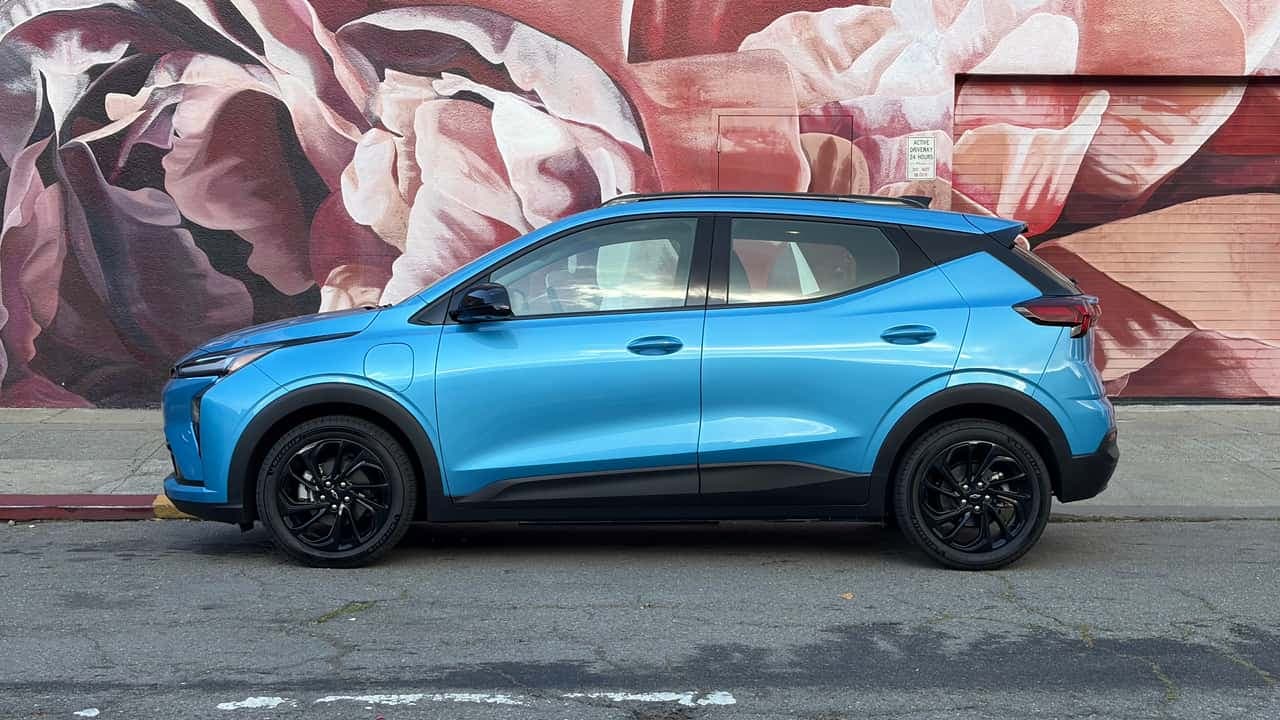
The 2026 Chevy Bolt EV Is Back — and Better Than Ever
General Motors made waves when it announced the return of the Chevy Bolt for model year 2026. After a brief hiatus that left budget-friendly EV shoppers searching for alternatives, the Bolt is back with meaningful improvements across the board. It's more refined, better equipped, and priced to compete in an increasingly crowded electric vehicle market. But for any EV driver, one question matters just as much as the sticker price: what actually happens when the battery runs dangerously low?
A recent real-world test pushed the 2026 Chevy Bolt EV to its absolute limit — driving it until the battery reached zero — to see exactly how the vehicle behaves and what kind of buffer GM has built into the pack. The results offer some genuinely useful insights for prospective buyers and current EV drivers alike.
Why Battery Buffers Matter in Electric Vehicles
Before diving into the specifics of the Bolt's behavior, it helps to understand why battery buffers exist in the first place. Every modern electric vehicle deliberately hides a small portion of its total battery capacity from the driver. This reserve — sometimes called the bottom buffer — is kept unavailable under normal driving conditions to protect the battery cells from the kind of deep discharge that can cause permanent damage, reduce long-term range, and shorten overall battery lifespan.
Think of it like the fuel light on a gasoline car. When that warning illuminates, you still have a gallon or two left in the tank. EVs operate on a similar principle, except the buffer is engineered at the software and battery management system level. Different automakers use different buffer sizes, and the size of that reserve can meaningfully impact how far you can push the car in a genuine emergency — as well as how anxious you feel when the range estimate ticks down toward zero.
What the Test Revealed About the Bolt's Low-State-of-Charge Behavior
When the 2026 Chevy Bolt EV was pushed to the edge of its usable charge, the car's behavior gave drivers a clear picture of how GM has engineered the low-end experience. As the state of charge (SoC) dropped toward the bottom, the Bolt began issuing progressively more urgent warnings to the driver, encouraging them to find a charging station as soon as possible.
Critically, the vehicle does not simply cut power and leave the driver stranded the instant the display reads zero percent. There is a small but meaningful reserve built into the system that allows the car to continue moving — albeit with reduced power output — giving the driver a last chance to reach safety or a nearby charger. This kind of graceful degradation is considered a best practice in EV engineering, and it's reassuring to see GM taking it seriously in the refreshed Bolt.
The power reduction during the final buffer stage is noticeable. Acceleration becomes sluggish, and the car clearly communicates that it is operating in an emergency reserve mode. This is intentional: by limiting power draw, the system can stretch the remaining capacity as far as possible, buying the driver extra distance and time.
How the 2026 Bolt's Buffer Compares to the Competition
Every automaker has its own philosophy when it comes to bottom buffers, and the size of the reserve can vary from a fraction of a kilowatt-hour to several kilowatt-hours depending on the brand and model. Some manufacturers, like Tesla, are known for offering a relatively generous usable buffer that gives drivers confidence when pushing the limits. Others keep the reserve tighter, prioritizing rated range figures on paper over real-world low-charge comfort.
The 2026 Chevy Bolt appears to strike a sensible middle ground. The buffer is not enormous, but it is sufficient to prevent sudden, unexpected shutdowns — which is arguably the most important thing any EV buffer needs to do. For a vehicle in the Bolt's price segment, aimed at everyday commuters and budget-conscious buyers, this approach makes a lot of sense. Most Bolt owners will rarely, if ever, see the bottom of the buffer in normal use.
Practical Tips for Managing Your Bolt EV's Battery in Daily Driving
Understanding your EV's buffer is useful, but the goal should always be to avoid reaching it in the first place. Here are some practical habits that will help 2026 Chevy Bolt EV owners get the most out of every charge:
- Plan charging stops proactively. Use the Bolt's built-in navigation or a third-party app like PlugShare or ABRP to identify charging stations along your route before your SoC drops below 20 percent.
- Take advantage of regenerative braking. The Bolt's one-pedal driving mode and regenerative braking system can meaningfully extend range in stop-and-go traffic, effectively recapturing energy that would otherwise be lost as heat.
- Avoid consistently charging to 100 percent. For long-term battery health, most EV experts recommend keeping the daily charge ceiling between 80 and 90 percent unless you need the full range for a specific trip.
- Monitor range in cold weather. Battery capacity drops noticeably in freezing temperatures. In winter conditions, add extra margin to your charging plans to account for reduced efficiency.
- Pay attention to the car's warnings early. When the Bolt issues its first low-charge alerts, treat them seriously — especially in areas with sparse charging infrastructure.
The Bottom Line: A Thoughtfully Engineered Low-Charge Experience
The 2026 Chevy Bolt EV's battery buffer test reveals a vehicle that has been engineered with real-world drivers in mind. Rather than abruptly cutting out when the display reaches zero, the Bolt provides a cushion — enough to prevent roadside emergencies while still clearly communicating the urgency of finding a charger. The power-reduction strategy during the final reserve is smart engineering that prioritizes driver safety over pure performance metrics.
For buyers considering the 2026 Bolt as a primary vehicle or daily driver, this behavior should offer meaningful peace of mind. Combined with the model's broader improvements for the new model year, the Bolt is shaping up to be one of the most sensible value propositions in the current EV landscape. Knowing exactly what happens at the bottom of the battery is one more reason to feel confident about choosing it.
As always, the best strategy with any electric vehicle is to charge often, plan ahead, and treat the bottom buffer as exactly what it is: an emergency safety net, not a routine part of your driving range.