
Why 2026 Is the Year to Go Off-Lease
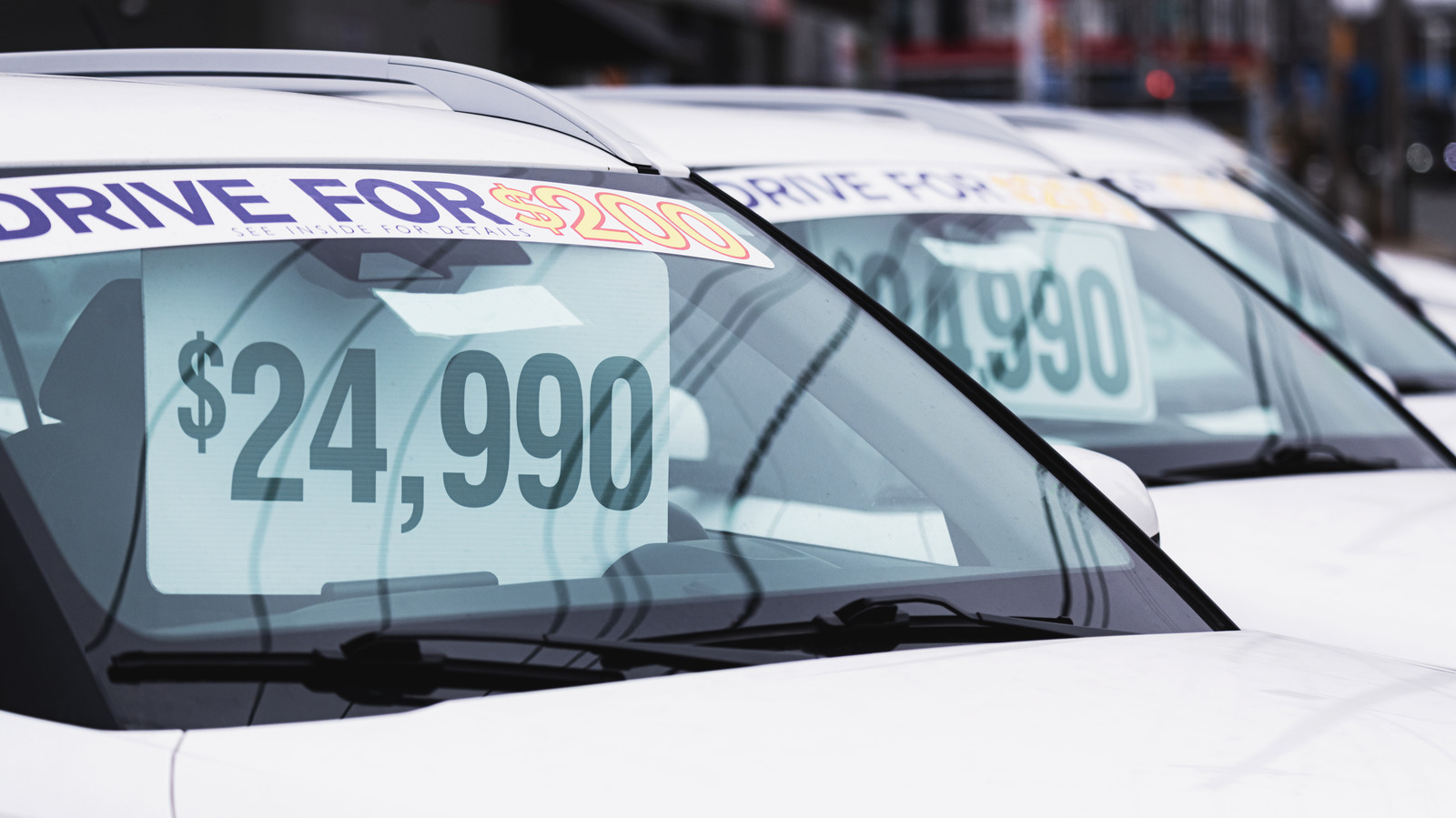
If your wallet has been feeling lighter lately, you are not alone. Between persistent inflation, elevated interest rates, and the lingering ripple effects of global supply chain disruptions, buying a brand-new car in 2026 feels more out of reach than ever for millions of Americans. The average new vehicle transaction price has climbed well above $48,000, and financing costs have made monthly payments genuinely painful. But here is the silver lining that savvy shoppers are already taking advantage of: a growing wave of previously-leased vehicles is flooding the used car market right now, and the deals available are some of the best we have seen in years.
Understanding why this moment is special requires a quick look back. During 2022 and 2023, new car inventory was extremely tight, which meant fewer people leased vehicles. As inventory normalized in 2023 and 2024, lease activity picked back up significantly. Those three-year leases are now coming due, returning high volumes of low-mileage, well-maintained vehicles to dealerships and certified pre-owned programs across the country. Supply is up, demand is softer than it was during peak pandemic years, and that combination spells opportunity for buyers who know where to look.
What Exactly Is a Previously-Leased Car?
A previously-leased vehicle — also called an off-lease car or lease return — is a car that was driven by a consumer under a lease agreement, typically for two to four years, and has now been returned to the dealership or manufacturer at the end of that term. Lease contracts generally cap mileage at 10,000 to 15,000 miles per year and require the lessee to keep the car in good condition, which means these vehicles tend to arrive back on the market with relatively low mileage and a documented service history.
Because lessees are contractually obligated to return vehicles in good shape — or pay fees for excess wear — off-lease cars are often better maintained than typical used vehicles sold by private owners. Many of them also still carry portions of their original factory warranty, adding an extra layer of protection for buyers.
The Real Financial Advantages of Buying Off-Lease
The price difference between a new car and a comparable off-lease model can be staggering. Depreciation hits hardest in the first two to three years of a vehicle's life, meaning the original lessee absorbed that financial hit so you do not have to. A vehicle that stickered at $40,000 brand new might be available as a two-year-old lease return for $26,000 to $30,000 — representing savings of $10,000 or more before you even begin negotiating.
There are additional financial benefits worth considering. Lower purchase price means a smaller loan, which translates directly to lower monthly payments even when interest rates remain elevated. Sales tax in many states is calculated on the purchase price, so a cheaper car costs you less at the point of sale too. Insurance premiums on slightly older vehicles are also typically lower than on brand-new models.
Where to Find the Best Off-Lease Vehicle Deals
Manufacturer Certified Pre-Owned Programs
One of the strongest paths to a quality off-lease vehicle is through a brand's certified pre-owned (CPO) program. Automakers like Toyota, Honda, Ford, BMW, and Mercedes-Benz all run CPO programs that put returned lease vehicles through rigorous multi-point inspections before relisting them for sale. These cars come with extended warranty coverage, roadside assistance, and sometimes special financing rates that are competitive with new-car offers. While CPO pricing is slightly higher than buying the same car without certification, the warranty and peace of mind are often well worth the premium.
Franchise Dealerships and Dealer Auctions
Brand dealerships receive off-lease returns directly from their manufacturer's financial arm and are often highly motivated to move them. Unlike private sellers, dealers can offer financing on-site and may be open to negotiation, especially toward the end of a month or quarter when sales targets loom. Some dealerships also run their own in-house auctions or allow pre-qualified buyers to bid on fleet returns, which can unlock even steeper discounts.
Online Marketplaces
Platforms such as CarMax, Carvana, AutoNation, and even Autotrader and Cars.com have made it easier than ever to filter specifically for off-lease and CPO inventory from the comfort of your home. Many of these platforms provide vehicle history reports, inspection summaries, and no-haggle pricing, which streamlines the process considerably. Setting up alerts for your preferred makes and models means you will be notified the moment a matching vehicle becomes available in your area.
Key Tips for Getting the Best Deal Possible
Check the vehicle history report first. Services like Carfax and AutoCheck will reveal accident history, service records, title issues, and the number of previous owners. Always request this before proceeding further with any purchase.
Get an independent pre-purchase inspection. Even with CPO vehicles, spending $100 to $150 on a third-party mechanic inspection is money well spent. It can surface issues the dealer's inspection missed and give you leverage in price negotiations.
Research the vehicle's residual value and depreciation curve. Some models hold their value far better than others. Toyota Tacomas, Honda CR-Vs, and Subaru Outbacks, for instance, depreciate slowly, meaning their off-lease pricing may reflect stronger resale value. Other models depreciate faster, offering bigger initial savings but potentially higher long-term ownership costs.
Compare financing options before you walk in. Get a pre-approval from your bank or credit union before visiting a dealership. Dealer financing is not always the best rate available, and arriving pre-approved gives you a clear ceiling to work from.
Negotiate on total price, not monthly payment. Dealers can manipulate monthly payment figures by extending loan terms, which can make a poor deal look attractive on the surface. Always anchor your negotiation to the out-the-door price of the vehicle.
Time your purchase strategically. End of month, end of quarter, and holiday weekends are historically strong times to negotiate. Dealers facing sales quotas are more willing to sharpen their pencils when the clock is ticking.
What to Watch Out For
Off-lease vehicles are generally reliable, but they are not without risk. Some lessees push mileage limits right to the cap, meaning a three-year-old car could have 45,000 miles on the clock — not excessive, but not low either. Check the odometer carefully against the lease term. Additionally, vehicles returned with significant wear or damage may have been repaired before resale; always ask whether any bodywork or mechanical repairs were performed after the vehicle was returned.
Be cautious about high-trim luxury vehicles with complex technology. Features like air suspensions, advanced driver assistance systems, and large panoramic roofs can be expensive to repair once warranties expire. Make sure you understand what warranty coverage remains and what will cost you out of pocket down the road.
The Bottom Line
2026 has not been easy on household budgets, but the silver lining is real: the off-lease market is fuller, prices are more competitive, and buyers who do their homework can drive away in a nearly-new vehicle for significantly less than the cost of buying new. Whether you go through a certified pre-owned program for maximum peace of mind or hunt for a private deal to maximize savings, the strategies above will put you in a far stronger position at the negotiating table. Do your research, get the inspections done, and take your time — the right deal is out there waiting for you.