
The Rising Cost of New Cars: Is Technology to Blame?
The average transaction price of a new car in the United States has climbed steadily over the past decade, now hovering well above $48,000. While inflation, supply chain disruptions, and manufacturing costs all play a role, one often-overlooked contributor is the sheer volume of technology and features packed into even the most basic new vehicles. From touchscreen infotainment systems to advanced driver-assistance technology, modern cars come loaded with convenience — and that convenience has a price tag.
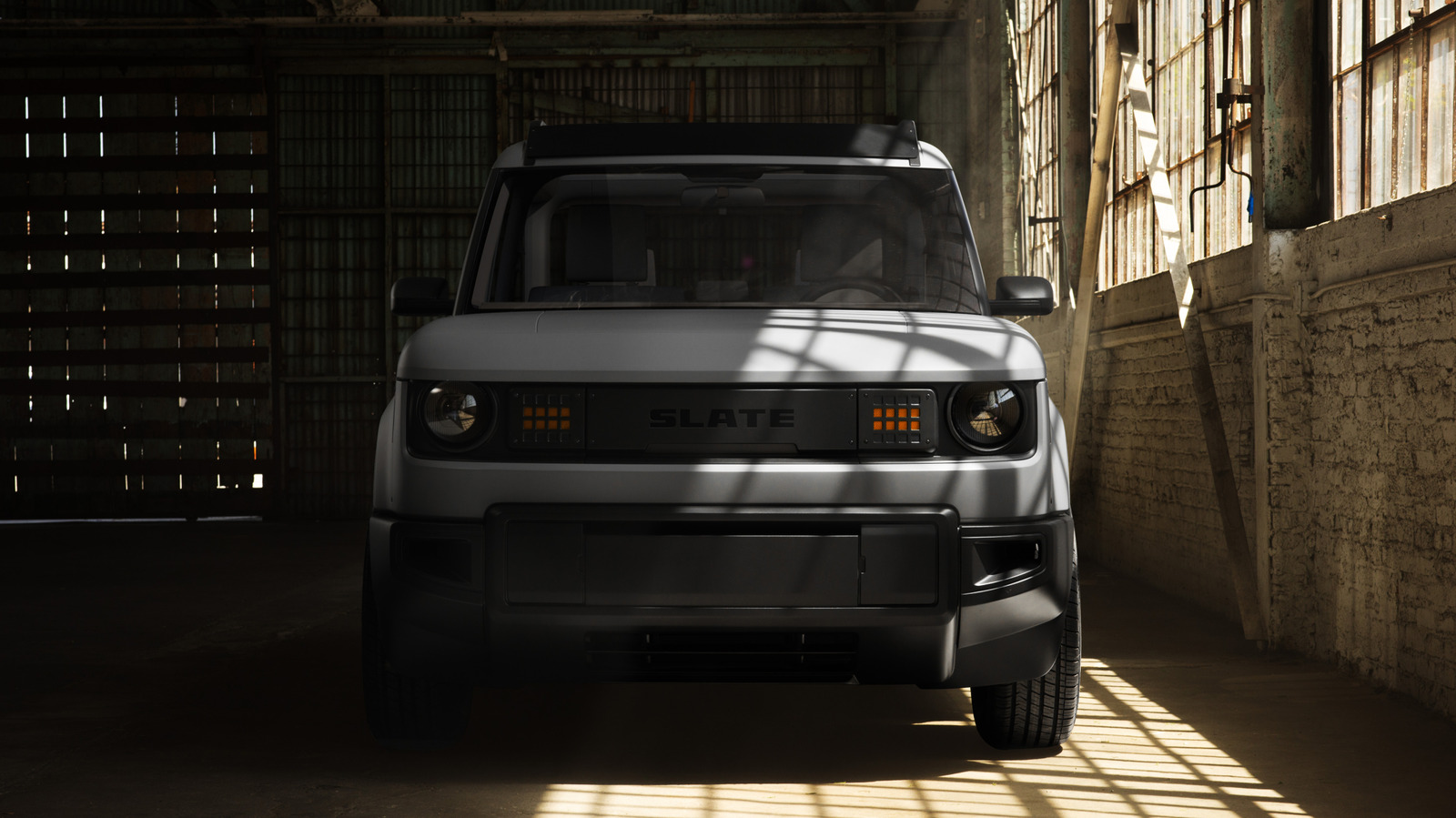
A recent debate sparked by Slate's coverage of a stripped-down, budget-friendly pickup truck has renewed a fascinating question among drivers and automotive enthusiasts alike: which modern car features would you actually be willing to give up if it meant paying significantly less at the dealership? It turns out that question is harder to answer than it might seem.
When Did "Standard" Become Synonymous With "Expensive"?
There was a time when electric windows, air conditioning, and a radio were considered genuine luxury items. Today, they come standard on virtually every new vehicle sold in America. The feature creep that has taken place over the past 30 years has been remarkable — and relentless. What began as premium add-ons have gradually become baseline expectations, pushing the floor price of even entry-level cars far beyond what many buyers can comfortably afford.
The Slate pickup debate centers on exactly this tension. When a manufacturer strips a truck down to its mechanical essentials — manual windows, basic seating, minimal electronics — some buyers celebrate the return to simplicity and affordability, while others recoil at the idea of rolling down a window by hand in 2024. The disagreement reveals a deeper truth: our relationship with automotive features is intensely personal, and what feels like a sacrifice to one driver feels like a perfectly reasonable trade-off to another.
Features Modern Drivers Would Be Willing to Cut
When surveying drivers and reading automotive community discussions, a few features emerge repeatedly as candidates for the chopping block in the name of a lower sticker price.
Large Touchscreen Infotainment Systems
Few automotive developments have proven as controversial as the migration of nearly every vehicle control — from climate settings to drive mode selection — onto a single large touchscreen. While these displays look impressive in marketing materials, many drivers find them distracting, unintuitive, and prone to lagging software. A return to physical knobs and buttons paired with a simpler display could meaningfully reduce manufacturing costs without degrading the driving experience. In fact, for many drivers, it would improve it.
Advanced Driver-Assistance Systems (ADAS)
Lane-keep assist, automatic emergency braking, blind-spot monitoring, and parking sensors have become so common that regulators are now mandating some of them. While the safety case for these systems is strong, they add real cost to every vehicle. Offering them as optional upgrades rather than mandatory inclusions — particularly on budget-oriented models — could help bring base prices down while still making the technology accessible to those who want it.
Panoramic Sunroofs and Glass Roofs
Once reserved for high-end European sedans, panoramic sunroofs have trickled down to mid-range crossovers and even some compact cars. They add weight, increase wind noise at highway speeds, raise the vehicle's center of gravity, and introduce a potential leak point. Many drivers would happily trade the open-sky aesthetic for a lighter, quieter, and cheaper solid roof.
Heated and Ventilated Seats
In cold climates, heated seats feel less like a luxury and more like a necessity. But ventilated seats — which pump cool air through perforated leather — are a feature many buyers in moderate climates would sacrifice without hesitation. Similarly, heated steering wheels and heated rear seats, while pleasant, are rarely essential. Removing these as standard items and offering them as genuine options could trim costs at the point of purchase.
Wireless Charging and Multiple USB Ports
The proliferation of charging outlets and wireless charging pads in modern vehicles is a direct response to our smartphone dependency. But for buyers who use a single wired connection or simply don't mind plugging in, the added infrastructure is unnecessary expense. A single reliable USB-C port would suffice for most daily drivers.
The Features Most Drivers Refuse to Sacrifice
Not everything is up for negotiation. When pressed, most drivers draw a firm line at air conditioning, automatic transmissions, and basic safety features like airbags and antilock brakes. These items have earned their place as true standards — their value in comfort, safety, and practicality is too significant to walk back for any price reduction.
Interestingly, electric windows — the subject of the original Slate debate — fall into a gray zone. Younger drivers who have never operated a manual window crank tend to treat power windows as non-negotiable. Older drivers, who remember hand-cranking without complaint, are more likely to see it as an easy trade-off for a lower price.
What Automakers Can Learn From This Debate
The conversation about stripping back features is ultimately a conversation about value. Automakers have long operated on the assumption that more features equal more desirability and justify higher prices. But a growing segment of buyers — particularly younger, cost-conscious consumers crushed by housing costs and student debt — are actively searching for simpler, cheaper transportation.
Brands that can offer genuinely affordable vehicles without gutting core functionality stand to capture significant market share. The key is distinguishing between features that enhance the fundamental driving experience and those that simply add to the spec sheet. Thoughtful subtraction, it turns out, may be just as powerful a design strategy as addition.
The Bottom Line: Affordable Does Not Have to Mean Bare-Bones
Making modern cars cheaper does not require turning the clock back to 1987. It requires honest conversations about which technologies deliver genuine value and which have been bundled into vehicles simply because buyers stopped questioning them. Electric windows, touchscreens, glass roofs, and wireless chargers each carry a cost — and each deserves scrutiny in an era when car affordability is a genuine crisis for millions of households.
The debate Slate's cheap pickup ignited is one the automotive industry needs to have loudly and seriously. Drivers deserve real choices, not just trim levels that shuffle the same expensive features around. The road to more affordable cars may well be paved with features we never really needed in the first place.