
Why Are New Cars So Expensive? The Feature Creep Problem
The average new car in the United States now costs more than $48,000. That staggering number would have seemed absurd to car buyers just two decades ago, and it has millions of drivers asking a simple but important question: how did we get here? The answer, at least in part, is feature creep — the relentless piling on of technology, comfort upgrades, and convenience systems that nobody specifically asked for but that automakers now treat as standard equipment.
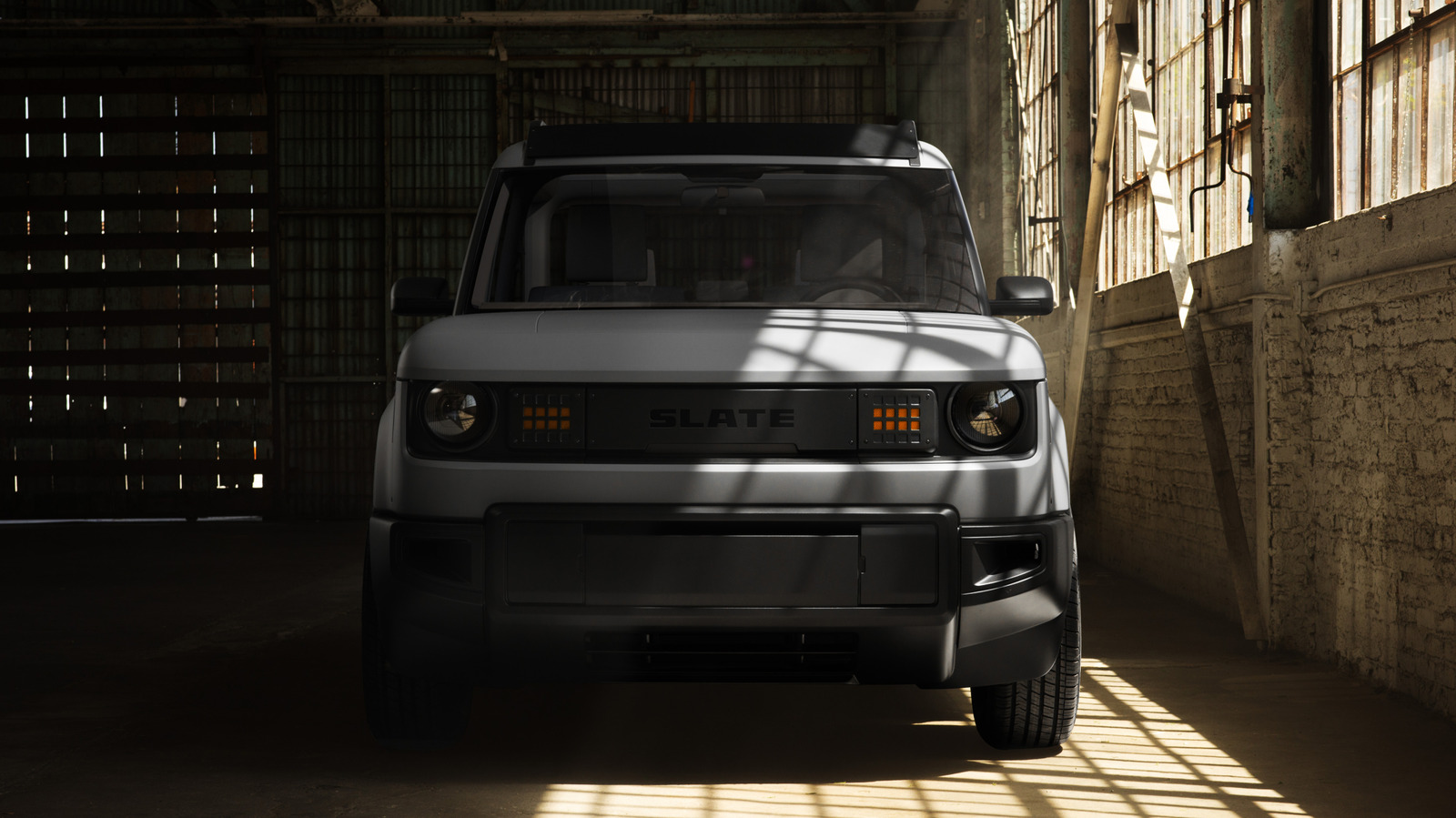
The debate reignited recently when Slate proposed a stripped-down, no-frills electric pickup truck designed to be genuinely affordable. The concept sparked fierce online argument about what truly counts as a luxury versus a necessity in a modern vehicle. Electric windows, of all things, became a flashpoint. Are power windows a luxury? A decade ago, that question would have seemed ridiculous. Today, as new car prices spiral upward, it no longer sounds so absurd.
So let's have an honest conversation. If automakers offered you a leaner, cheaper car — one that stripped back some of the bells and whistles — which features would you actually be willing to give up?
The Features Drivers Could Probably Live Without
1. Massive Infotainment Touchscreens
The centerpiece of almost every new car interior today is an enormous touchscreen display. Some models now sport screens measuring 15 inches or larger. While they look impressive in a showroom, many drivers find them genuinely frustrating to use while driving. Physical buttons for climate control and audio were faster, more intuitive, and didn't require you to take your eyes off the road to adjust the fan speed.
Replacing a giant touchscreen with a smaller, simpler unit — or even bringing back tactile controls — could meaningfully reduce the cost of a vehicle's interior without sacrificing real-world usability. In fact, many drivers argue it would actively improve the experience.
2. Advanced Driver Assistance Systems (ADAS) Bundles
Features like lane-keeping assist, automatic emergency braking, blind-spot monitoring, and adaptive cruise control are increasingly bundled together and either standard or packaged into expensive trim upgrades. While some of these systems — particularly automatic emergency braking — have demonstrated genuine safety value, others remain controversial in terms of real-world reliability and driver satisfaction.
Allowing buyers to opt out of certain ADAS bundles, rather than mandating them across every trim level, could restore buyer choice and bring entry-level pricing down significantly.
3. Panoramic Glass Roofs
The panoramic sunroof has become one of the most ubiquitous upsells in the automotive industry. Nearly every SUV and crossover now offers one, and many make it difficult to avoid paying for it. While a glass roof looks appealing, it adds weight, reduces headroom, can be a long-term reliability headache, and raises interior temperatures in warm climates — often requiring more aggressive air conditioning use.
A solid metal roof is structurally stronger, thermally better, and cheaper to manufacture. Plenty of buyers would happily choose it if it came with a meaningfully lower price tag.
4. Powered and Heated Everything
Heated seats, ventilated seats, heated steering wheels, power-folding mirrors, power-adjustable steering columns — these features have migrated from true luxury vehicles into mainstream family cars and trucks. Each one adds cost, complexity, and potential failure points. For a buyer who parks in a moderate climate and primarily needs a reliable commuter vehicle, these are features that add hundreds of dollars to the sticker price without adding proportional value to daily life.
5. Over-the-Top Speaker Systems
Premium audio partnerships — Bose, Harman Kardon, Bang and Olufsen, Meridian — are now common upsells across mid-range vehicles. While audiophiles appreciate the upgrade, many ordinary drivers simply don't need a 17-speaker surround sound system in their daily driver. A competent, no-frills four or six-speaker setup would serve the vast majority of commuters perfectly well at a fraction of the cost.
Features Worth Keeping, No Matter What
Not every modern feature deserves the chopping block. Some technologies have earned their place because they deliver genuine, measurable benefits that budget-conscious buyers shouldn't have to sacrifice.
- Backup cameras: Now federally mandated in the U.S., backup cameras save lives and prevent accidents. This is one piece of technology where the safety case is airtight.
- Fuel efficiency improvements: Better engines, aerodynamics, and lightweight materials raise upfront costs slightly but pay dividends over years of ownership through lower fuel bills.
- Modern airbag systems: Multi-stage airbags, side curtain airbags, and knee airbags represent decades of safety engineering. These are non-negotiable.
- Smartphone connectivity: A basic Apple CarPlay or Android Auto interface is affordable to include, widely used, and genuinely useful for navigation and communication safety.
The Bigger Picture: Giving Buyers a Real Choice
The core issue isn't that modern car features are inherently bad. Many of them are genuinely impressive and, for the right buyer, well worth the cost. The problem is that the automotive industry has quietly eliminated the concept of a true base model. Strip trims have become so sparse as to be practically unavailable, while the features buyers actually want — reliability, durability, simplicity — are rarely marketed as selling points.
A renewed focus on genuinely affordable vehicles, ones that trust drivers to decide for themselves what they value, would be a welcome shift. The electric window debate may sound trivial, but it points to something real: when the industry starts arguing about whether power windows count as luxuries, it's a sign that the baseline definition of a "car" has drifted far beyond what most people actually need or can afford.
Bringing cars back within reach doesn't require going back to crank windows and AM radio. It just requires automakers to stop assuming that every buyer wants — or can afford — everything.