
Why Engine Compression Testing Matters
Your engine is essentially a large air pump, and its ability to compress an air-fuel mixture inside each cylinder is fundamental to how it produces power. Without adequate compression, combustion becomes inefficient, performance suffers, fuel economy drops, and over time, the engine can sustain serious internal damage. Diagnosing compression issues early is one of the smartest things any car owner or mechanic can do, and fortunately, there are two well-established methods to get the job done: the compression test and the leak-down test.
While both tests assess the health of your engine's cylinders, they approach the problem from very different angles. Understanding what each test measures, how it is performed, and what it can tell you will help you choose the right diagnostic tool for the right situation — and potentially save yourself thousands of dollars in unnecessary repairs.
What Is a Compression Test?
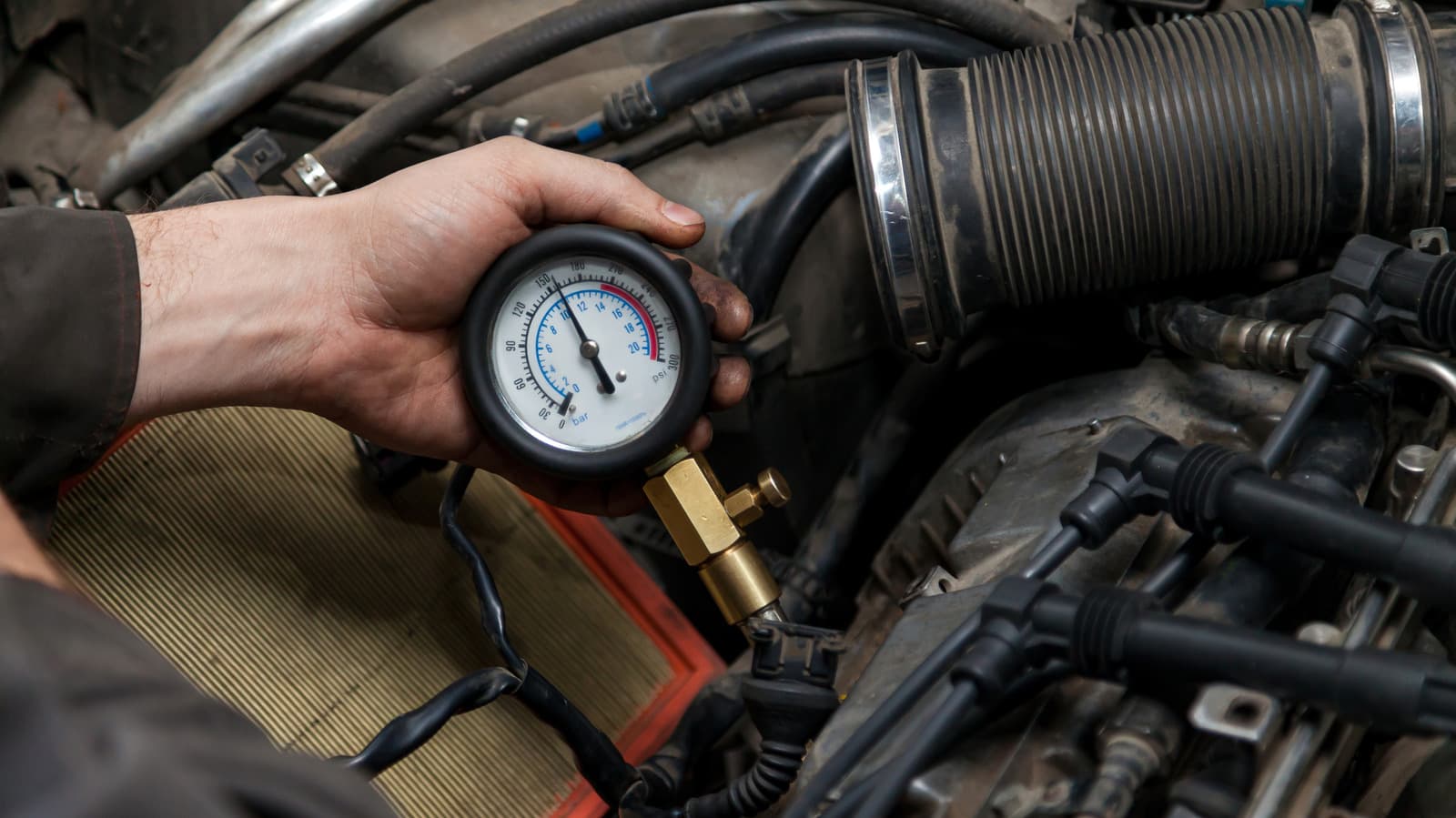
A compression test is the more common and widely accessible of the two methods. It measures the maximum pressure that a cylinder builds up during the compression stroke of the engine. To perform the test, a mechanic removes all spark plugs and threads a compression gauge into each cylinder's spark plug hole one at a time. The engine is then cranked over using the starter motor — typically for several seconds per cylinder — and the gauge records the peak pressure reading.
Most healthy gasoline engines produce somewhere between 125 and 200 PSI per cylinder, though the exact specification varies depending on the engine design and manufacturer. What matters most is consistency across all cylinders. A reading that is significantly lower than the others — or lower than the manufacturer's specification — signals a problem in that cylinder.
What Can a Compression Test Reveal?
A low compression reading generally points to one of several mechanical issues inside the engine. Common culprits include worn or damaged piston rings, a burned or bent valve, a blown head gasket, or even a cracked cylinder wall. However, while a compression test tells you that a problem exists, it doesn't always tell you exactly where the problem originates. That's one of its key limitations.
Mechanics sometimes perform a "wet" compression test as a follow-up step, squirting a small amount of oil into the cylinder before testing again. If the reading improves significantly after adding oil, it usually means the piston rings are worn, since the oil temporarily seals the gap between the rings and the cylinder wall. If the reading doesn't change, the fault is more likely in the valves or head gasket.
What Is a Leak-Down Test?
A leak-down test takes a more precise and diagnostic approach. Instead of measuring the pressure the engine builds on its own, this test introduces compressed air directly into the cylinder through the spark plug hole while the piston is held at top dead center (TDC) on the compression stroke. A specialized dual-gauge tester then measures how much of that pressurized air escapes — or "leaks down" — from the cylinder over time.
The result is expressed as a percentage of air lost. A healthy cylinder typically leaks less than 10 percent. Readings between 10 and 20 percent indicate moderate wear that warrants monitoring, while anything above 20 percent points to a significant problem requiring immediate attention. Many performance engines are held to even tighter tolerances than this.
The Real Advantage: Pinpointing the Source of the Leak
What makes the leak-down test especially valuable is its ability to identify exactly where the compression loss is coming from. Because the test uses external air pressure, a mechanic can listen and observe while the air escapes. If air is heard hissing from the throttle body or carburetor, an intake valve is leaking. If it escapes from the exhaust pipe, the exhaust valve is the problem. Bubbling coolant in the radiator or overflow reservoir suggests a blown head gasket. Air escaping into the crankcase via the oil filler cap or dipstick tube indicates worn piston rings. This level of detail makes the leak-down test an exceptionally powerful diagnostic instrument.
Compression Test vs Leak-Down Test: A Side-by-Side Comparison
- Ease of use: Compression tests are simpler to perform and require less specialized equipment. Leak-down tests require a calibrated tester and a source of compressed air, and setting the piston to TDC on the compression stroke for each cylinder takes additional time and skill.
- Diagnostic depth: Compression tests confirm whether a problem exists. Leak-down tests tell you exactly what the problem is and where it is located.
- Cost: Basic compression testers are inexpensive and widely available. Leak-down tester kits are pricier but still accessible for the serious DIY mechanic.
- Best application: A compression test is ideal as a quick first-pass assessment. A leak-down test is better suited for in-depth diagnosis when a specific cylinder or symptom needs to be investigated further.
Which Test Should You Use?
In most real-world scenarios, the two tests work best when used together rather than in isolation. A compression test is an excellent starting point — it's fast, easy, and gives you a solid overview of each cylinder's condition. If the readings come back uneven or low, a leak-down test is the logical next step to identify the root cause with precision.
For anyone buying a used car, performing both tests on the engine before purchase can uncover hidden mechanical problems that might not yet show up as drivability issues. For a vehicle already in your garage that's displaying symptoms like rough idling, misfires, excessive oil consumption, or blue smoke from the exhaust, these tests can save you from replacing components unnecessarily by pointing directly at the source.
Final Thoughts
Keeping your engine in peak condition starts with understanding its health, and both compression testing and leak-down testing are invaluable tools in that effort. Neither test is inherently superior to the other — they serve complementary purposes. Compression testing offers speed and simplicity, while leak-down testing delivers specificity and depth. Together, they give you a complete picture of what's happening inside your engine, empowering you to make informed repair decisions, extend engine life, and avoid costly surprises down the road. Whether you're a seasoned mechanic or a dedicated DIY enthusiast, adding both of these diagnostic methods to your skill set is well worth the investment.