
What Is a Cracked Engine Block and Why Does It Matter?
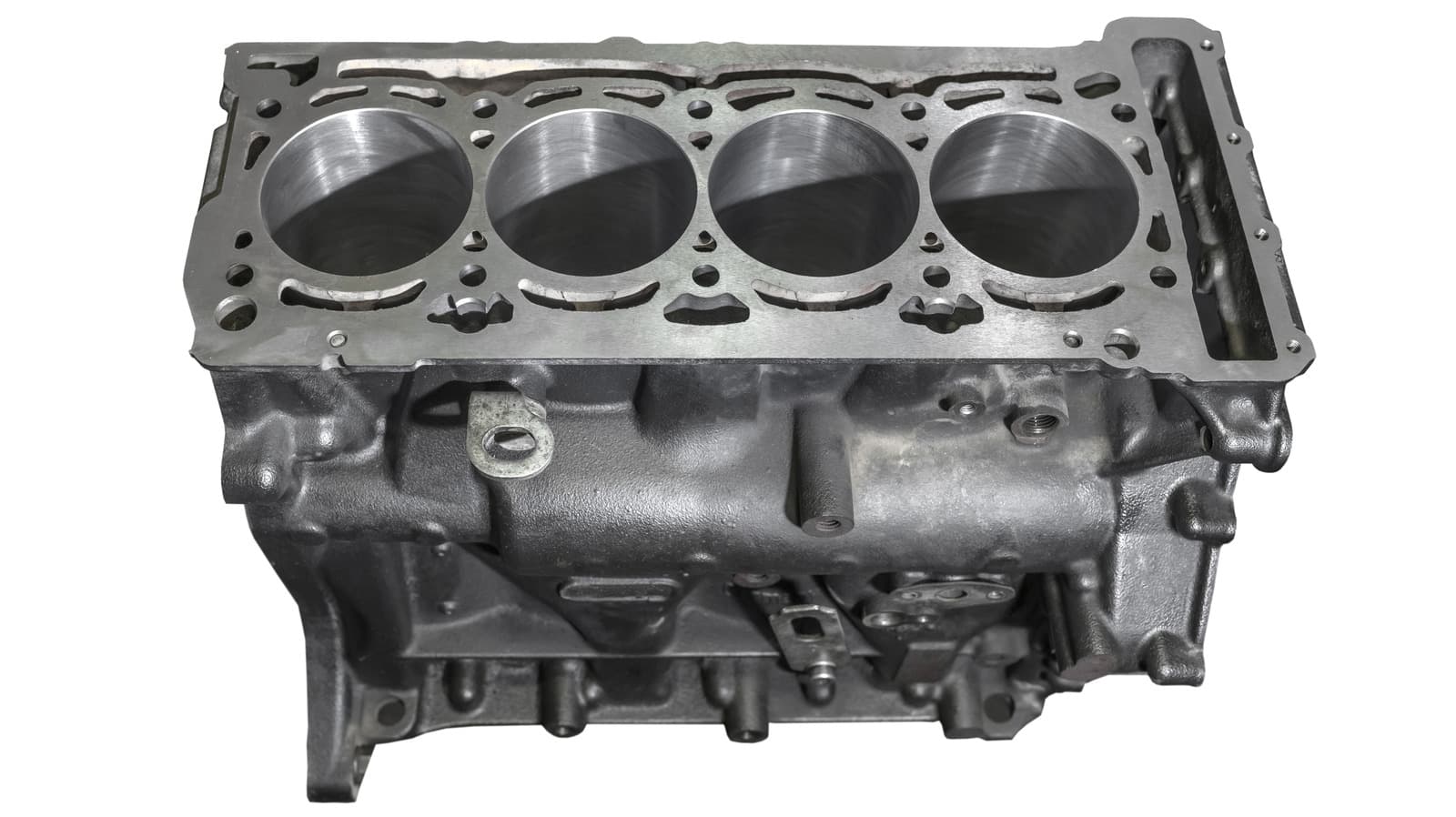
The engine block is the structural and mechanical heart of your vehicle. Machined from cast iron or aluminum, it houses the cylinders, pistons, coolant passages, and oil galleries that keep everything running smoothly. When a crack develops in that block — even a hairline fracture — the consequences can cascade quickly from a minor nuisance into a complete engine failure. Understanding the symptoms of a cracked engine block early can be the difference between a costly repair and an even more catastrophic total loss.
Cracks in an engine block are typically caused by overheating, freezing coolant, physical impact, or simple age-related metal fatigue. Regardless of the cause, a cracked block compromises the sealed environment that your engine depends on to function. Coolant, oil, and combustion gases can begin mixing in ways they were never designed to, and the results are almost always serious.
Common Causes of a Cracked Engine Block
Before diving into symptoms, it helps to understand what puts your engine block at risk in the first place. The most frequent causes include:
- Engine overheating: Sustained high temperatures cause metal to expand beyond its tolerance, leading to stress fractures over time or even immediately during a severe overheat event.
- Frozen coolant: Water expands when it freezes. If your coolant mixture is too diluted and freezes inside the block during winter, the pressure it generates can crack the block from the inside out.
- Manufacturing defects: Though rare, some blocks leave the factory with microscopic flaws that worsen under normal operating conditions over years of use.
- Severe impact or accident damage: A significant collision can physically crack or deform the block, sometimes in ways that aren't immediately visible.
- Improper repairs: Using the wrong torque specifications when reassembling an engine, or using incompatible parts, can introduce stress points that eventually crack.
Key Symptoms of a Cracked Engine Block
Some symptoms are subtle and easy to dismiss, while others are impossible to ignore. Here is what to watch for if you suspect your engine block may be compromised.
1. Engine Overheating
This one cuts both ways. Overheating can cause a cracked block, but a cracked block can also cause overheating. If coolant is leaking out of the block through a crack, your cooling system loses its ability to regulate engine temperature effectively. If your temperature gauge climbs into the red repeatedly — especially after you've already addressed other cooling system issues like a bad thermostat or a failing water pump — a cracked block should be on your list of suspects.
2. Visible Coolant or Oil Leaks
External cracks in the engine block can allow coolant or oil to seep out and become visible on the outside of the engine. You might notice a damp, discolored patch on the block itself, or find puddles of coolant or oil forming beneath your parked car. Coolant typically leaves a sweet-smelling, often greenish or pinkish residue, while oil appears darker and greasy. Either type of leak originating directly from the block — rather than from a gasket, hose, or seal — warrants a close inspection for cracks.
3. White Smoke from the Exhaust
If coolant is entering the combustion chamber through a crack in the block, it will be burned along with the air-fuel mixture and exit through the exhaust as thick, white smoke. This is different from the light vapor you might see on a cold morning, which dissipates quickly. Persistent white or grayish-white smoke that continues after the engine has fully warmed up is a serious red flag. It often comes paired with a sweet smell from the tailpipe and a rapidly dropping coolant level in the reservoir.
4. Milky or Frothy Engine Oil
When coolant and engine oil mix — which can happen when a crack connects coolant passages to oil galleries — the result is a milky, frothy, almost chocolate-milkshake-looking substance on your dipstick or inside the oil filler cap. This contamination is extremely damaging to engine bearings and internal components. If you notice this sign, stop driving the vehicle immediately. Continuing to run an engine with contaminated oil dramatically accelerates internal wear and can lead to complete engine failure within a very short time.
5. Poor Engine Performance and Misfires
Combustion gases escaping through cracks can disrupt the pressure balance inside cylinders, leading to misfires, rough idling, and a noticeable loss of power. You might notice the engine stumbling under load, hesitating on acceleration, or triggering a check engine light related to cylinder misfires. While misfires have many potential causes, when combined with other symptoms on this list, they strongly point toward structural engine damage.
6. Low Compression in One or More Cylinders
A compression test is one of the more definitive diagnostic steps a mechanic can perform. A crack that passes through the cylinder wall will allow pressure to escape during the compression and combustion strokes, resulting in a measurably low compression reading. Low compression in a cylinder that cannot be explained by worn piston rings or a damaged valve is a strong indicator that the block itself may be cracked in that area.
What Should You Do If You Suspect a Cracked Engine Block?
If multiple symptoms from this list are present at the same time, the worst thing you can do is keep driving and hope the problem resolves itself. Stop driving the vehicle and have it professionally diagnosed as soon as possible. A qualified mechanic can perform a thorough inspection, including pressure tests, dye tests, and compression tests, to confirm whether a crack exists and determine its severity and location.
Repair options for a cracked engine block range from chemical sealants for very minor cracks to professional welding, cold metal stitching, or a complete engine replacement for more severe damage. The right solution depends on the location and size of the crack, the type of block material, and the overall condition of the engine. In many cases — particularly with older, high-mileage vehicles — a full engine replacement or even retiring the vehicle may be the most financially sensible path forward.
Prevention Is Always Cheaper Than Repair
The best way to avoid the nightmare of a cracked engine block is through consistent, proactive maintenance. Keep your cooling system in good working order, maintain the correct antifreeze-to-water ratio in your coolant, address overheating issues immediately rather than putting them off, and follow your manufacturer's recommended service intervals. Catching a failing water pump or a leaking hose early costs a fraction of what a cracked block repair will run you. Your engine block was built to last — treat it accordingly, and it very well might.