
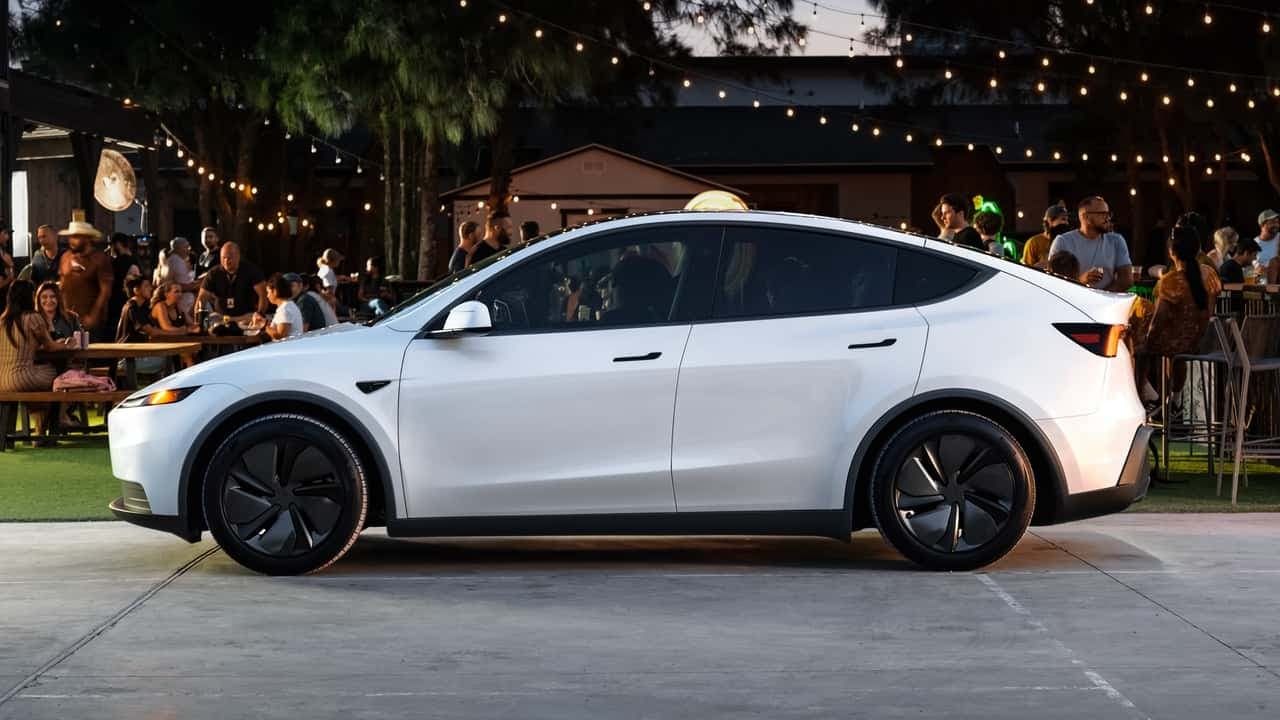
EV Registrations Are Climbing Again — Here's Why It Matters
After several months of softening demand and sluggish sales figures, electric vehicle registrations in the United States are showing clear signs of a rebound. New data suggests that more buyers are returning to EV showrooms, and one of the most likely culprits behind the shift is something very familiar to American drivers: rising gasoline prices. For consumers who had put their EV plans on hold, the pump may be delivering a timely reminder of why going electric made sense in the first place.
This resurgence carries significant implications — for automakers, for charging infrastructure investment, and most importantly, for everyday consumers trying to make smart financial decisions about their next vehicle purchase.
What the Data Is Telling Us
Registration data, which tracks the actual number of new EVs being titled and licensed by real owners, is considered one of the most reliable indicators of consumer behavior in the auto market. Unlike sales figures, which can be distorted by dealer inventory movements and manufacturer incentives, registrations reflect genuine purchase decisions. When those numbers start trending upward after a sustained dip, the industry takes notice.
The decline in EV registrations that preceded this rebound was not entirely surprising. Following a period of explosive post-pandemic growth, the market was always likely to face a normalization phase. Early adopters had already made their purchases, federal tax credit rules were shifting, and economic uncertainty was making many households cautious about big-ticket investments. The slowdown was real, but it now appears to have been temporary.
The Gas Price Factor: A Classic Driver of EV Demand
Historically, one of the most reliable predictors of EV interest is the price of gasoline. When prices at the pump rise sharply, internet searches for electric vehicles spike, dealer inquiries increase, and ultimately registrations follow. This relationship has played out repeatedly over the past decade, and 2025 appears to be no different.
When a driver is spending significantly more each month to fuel a conventional vehicle, the math on an EV starts to look very different. The higher upfront cost of an electric car becomes easier to justify when the ongoing fuel savings are substantial. A household that drives 15,000 miles per year in a vehicle averaging 25 miles per gallon, paying elevated gas prices, can see savings of well over a thousand dollars annually by switching to an EV — even before factoring in lower maintenance costs.
This economic logic is straightforward, and it appears to be resonating with buyers once again.
Other Forces Supporting the Recovery
While gas prices are capturing much of the attention, they are not the only force behind the registration rebound. Several other factors are converging to make 2025 a more favorable environment for EV adoption.
Expanded model availability: Automakers have dramatically broadened their EV lineups over the past two years. Buyers who previously couldn't find an electric vehicle that matched their lifestyle — whether they needed a truck, a large SUV, or an affordable compact — now have far more options to choose from across a range of price points.
Improved charging infrastructure: The national charging network has grown considerably, with more fast-charging stations along highways and in suburban and rural areas. Range anxiety, once a leading objection among hesitant buyers, is becoming less of a barrier as infrastructure gaps close.
Competitive pricing and incentives: A combination of manufacturer price adjustments and available federal and state tax incentives has brought the effective purchase price of many EVs closer to their gas-powered counterparts. For buyers who qualify, these incentives can represent thousands of dollars in savings.
Growing used EV market: A healthier supply of pre-owned electric vehicles is now available, opening up EV ownership to buyers who might not be in a position to purchase new. Used EVs with solid range and modern features are increasingly accessible at competitive prices.
What This Means for Prospective EV Buyers
If you have been on the fence about making the switch to an electric vehicle, the current landscape offers a compelling case for taking a closer look. With gas prices elevated, incentives still available in many forms, and a broader selection of vehicles on the market than ever before, the window of opportunity is arguably stronger than it has been in recent memory.
That said, purchasing an EV is still a significant financial decision that deserves careful analysis. Buyers should consider their daily driving habits, access to home charging, commute distance, and the specific incentives available in their state. The right EV for one household may not be the right choice for another, but the conversation is worth having now more than ever.
The Bigger Picture for the EV Market
The rebound in EV registrations is more than just a short-term blip — it signals that the electric vehicle market retains strong underlying demand. The months of decline were a correction, not a collapse. As the technology matures, prices continue to fall over the long term, and infrastructure expands, the structural case for EVs only grows stronger.
Automakers who maintained their EV investment strategies through the slowdown are now positioned to benefit from renewed consumer interest. And for the broader goal of reducing transportation-sector emissions, the return of buyer momentum is genuinely encouraging news.
Whether driven by the sting at the pump or a growing comfort with electric technology, more Americans are once again choosing to go electric. And if history is any guide, many of them won't be looking back.