
Ford's Recall Problem: A Long Road to a Solution
Ford Motor Company has long grappled with one of the automotive industry's most persistent headaches: a high volume of vehicle recalls. Over the past several years, the American automaker has faced significant criticism from consumers, analysts, and industry observers over quality control issues that have translated into costly recall campaigns and warranty repairs. But now, Ford believes it may have found a meaningful solution — and early data is beginning to back that claim up.
The company has introduced a new engine teardown program designed to catch defects and manufacturing flaws before vehicles ever reach dealership lots or customer driveways. According to Ford, the program is already making a measurable difference, with improvements visible in the company's own warranty data. For an automaker that has spent years under the microscope for reliability concerns, this development could represent a genuine turning point.
What Is Ford's Engine Teardown Program?
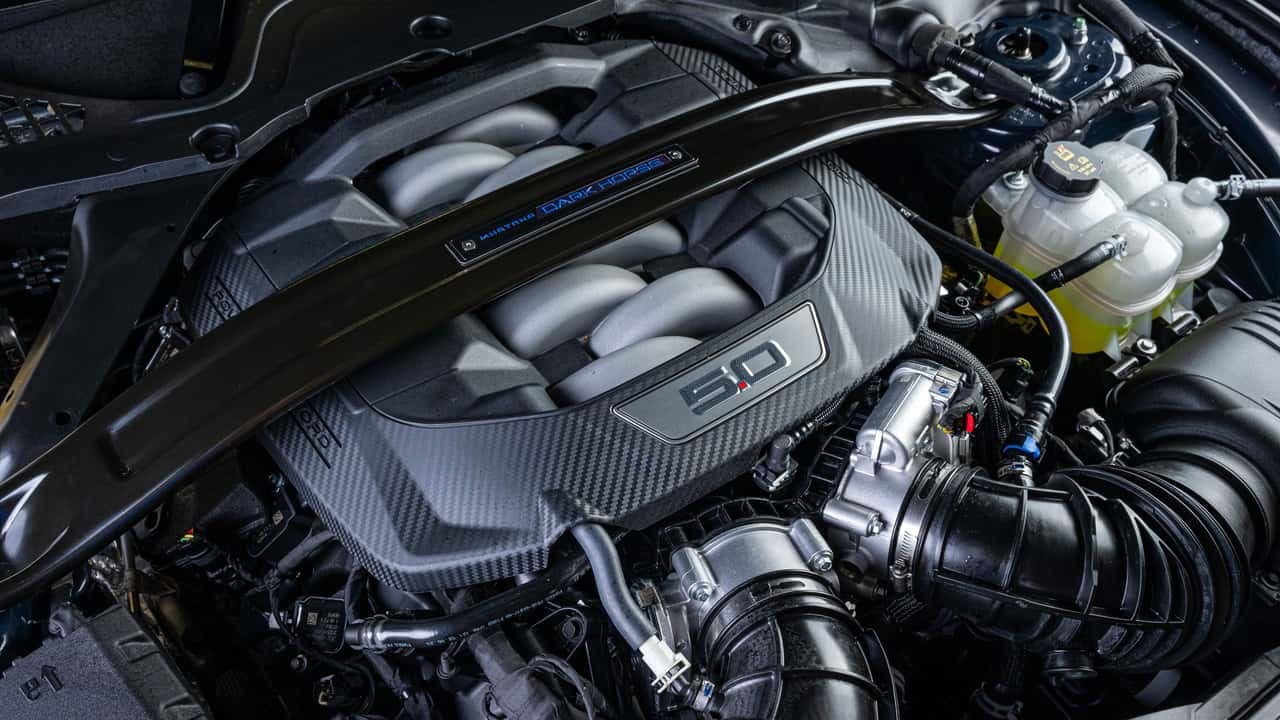
At its core, Ford's engine teardown program involves systematically disassembling engines — both during and after the manufacturing process — to identify potential defects, weaknesses, or assembly errors that might not be caught through standard quality inspection methods. By physically breaking down engines and examining their internal components with a level of scrutiny that goes beyond typical production-line checks, Ford's engineers are able to detect problems at the source rather than waiting for them to surface in the field.
This kind of proactive quality control is not entirely new to the automotive industry, but Ford's implementation represents a more structured and data-driven approach. The insights gained from each teardown feed directly into manufacturing process improvements, allowing the company to make real-time corrections that prevent defective parts or improper assemblies from continuing down the production line.
The program reflects a broader cultural shift at Ford — one that prioritizes catching problems early, even if it means slowing down or adding cost to the production process. Given the enormous financial and reputational cost of recalls, that trade-off is increasingly seen as worthwhile.
Why Ford's Recall Problem Became So Serious
To understand why this program matters, it helps to understand the scale of Ford's recall challenges in recent years. The automaker has repeatedly ranked among the top recall issuers in the United States, with millions of vehicles called back for issues ranging from faulty seat belts and airbags to engine fires and transmission failures. Some of these recalls have involved repeat issues on the same vehicle platforms, which drew particular scrutiny from the National Highway Traffic Safety Administration (NHTSA) and frustrated consumers who expected better.
Recalls are expensive in multiple dimensions. There are the direct costs of parts, labor, and logistics. Then there are the indirect costs: damage to brand reputation, lost sales, reduced customer loyalty, and the long-term erosion of trust. For a company like Ford, which competes in a fiercely contested market against both domestic rivals and increasingly capable foreign manufacturers, a reputation for reliability issues is a serious competitive liability.
Ford's leadership acknowledged these challenges publicly and committed to systemic improvements in quality. The engine teardown program is one of the most concrete expressions of that commitment.
What the Warranty Data Is Showing
One of the most encouraging signals coming from Ford is that the engine teardown program is not just a theoretical fix — it is producing tangible results. Ford's own warranty data is already beginning to reflect improvements, meaning that vehicles produced under the enhanced quality control regimen are showing fewer defects that lead to warranty claims.
Warranty data is one of the most reliable early indicators of a vehicle's real-world quality. When customers bring their cars and trucks to dealerships for repairs covered under warranty, that information is captured and analyzed by the manufacturer. A downward trend in warranty claims is a strong sign that fewer defects are making it through the production process and into the hands of consumers.
For Ford, seeing positive movement in this data so early in the program's rollout is an encouraging sign that the investment in more rigorous engine inspection is paying off. If the trend continues, it could translate into fewer recalls — and fewer headaches for both the company and its customers.
The Broader Implications for Ford's Quality Strategy
The engine teardown program is part of Ford's wider effort to overhaul its quality management approach. The company has been investing in better data analytics, stronger supplier accountability, and more rigorous pre-launch testing across its vehicle lineup. These efforts are designed to address quality problems at every stage of the product lifecycle, from initial design all the way through manufacturing and post-sale support.
- Supplier quality improvements: Ford has been working more closely with its parts suppliers to ensure that components meet stricter standards before they arrive at assembly plants.
- Enhanced pre-launch testing: New models are being subjected to more extensive real-world testing before they go on sale, reducing the likelihood of undiscovered flaws reaching consumers.
- Data-driven manufacturing: Advanced analytics are being used to identify patterns in production data that may predict quality issues, enabling proactive intervention before problems become widespread.
- Employee training and culture: Ford is investing in training programs that empower production-line workers to flag potential quality concerns without fear of slowing down output targets.
Can Ford Turn the Corner on Recalls?
The question on many consumers' and investors' minds is whether Ford can sustain this momentum and genuinely reduce its recall frequency over the long term. Optimism is warranted, but cautious. Quality improvements in automotive manufacturing take time to fully materialize, and some issues — particularly those related to software and complex electronic systems — remain difficult to catch before a vehicle reaches real-world conditions.
Nevertheless, the engine teardown program represents exactly the kind of disciplined, evidence-based approach that quality experts have long argued is necessary for lasting improvement. By grounding its strategy in real warranty data and making adjustments based on what that data reveals, Ford is demonstrating a seriousness of purpose that goes beyond public relations.
If the early results hold and the program is expanded or replicated across other vehicle systems, Ford may well succeed in reshaping its reputation from a recall-prone automaker into one that consumers can count on for reliability. That would be a significant achievement — and one worth watching closely in the months and years ahead.
Final Thoughts
Ford's engine teardown program is a promising step in the right direction. The fact that it is already generating positive signals in warranty data suggests that the approach has real merit. For consumers who have grown weary of recall notices and dealership visits, this is a development worth paying attention to. For Ford, it represents both an opportunity and a challenge: to sustain and scale a quality-first culture that can help restore confidence in one of America's most iconic automotive brands.