
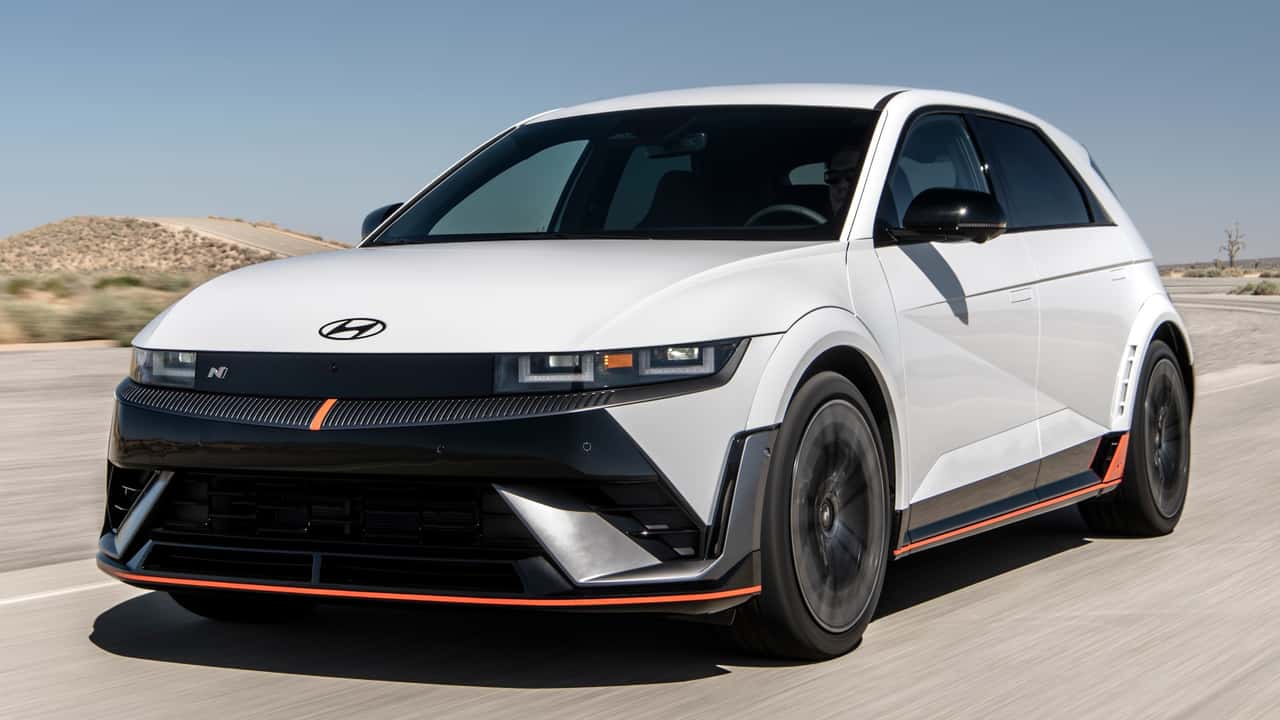
Hyundai Is Doubling Down on Driver Engagement in Its Electric Performance Cars
For driving enthusiasts, the shift to electric vehicles has always come with one significant concern: the loss of feel. No clutch, no gear changes, no mechanical feedback — just an instant, linear surge of torque that, while undeniably fast, can feel emotionally sterile compared to a revving internal combustion engine. Hyundai, however, is refusing to accept that trade-off. The South Korean automaker has confirmed plans to significantly enhance its N e-shift simulated gearbox technology in its upcoming next-generation electric N performance cars, with the explicit goal of making the driving experience feel more realistic than ever before.
This is not simply a marketing promise. Hyundai's N division has already demonstrated its commitment to driver-focused electric performance with models like the Ioniq 5 N and the Ioniq 6 N, both of which feature the brand's innovative e-shift system. But the company acknowledges that there is still meaningful ground to cover — and its engineers are actively working to close the gap between simulation and reality.
What Is Hyundai's N e-Shift Technology?
Before diving into what's coming next, it helps to understand what Hyundai's N e-shift system actually does. In a traditional manual or dual-clutch transmission vehicle, gear changes produce physical sensations: a brief interruption in power delivery, vibrations through the chassis, and the satisfying mechanical thud of a new gear engaging. These tactile and auditory cues are deeply ingrained in what makes performance driving exciting for enthusiasts.
Hyundai's N e-shift technology attempts to replicate these sensations in an all-electric powertrain. Using sophisticated software, the system artificially interrupts torque delivery at calculated moments to simulate gear changes. It works in tandem with the car's active sound design, which plays engineered audio through the vehicle's speakers to mimic the acoustic experience of a high-revving engine climbing through its rev range. Paddle shifters on the steering wheel give drivers the ability to trigger these simulated shifts manually, adding a layer of interactivity that is genuinely absent from most electric vehicles on the market.
The result, in current Hyundai N EVs, is a driving experience that blends real-world electric performance with artificial but carefully crafted engagement cues. Many reviewers and owners have found it surprisingly convincing — but Hyundai itself is not satisfied with "surprisingly convincing."
Why Hyundai Wants to Go Further
The ambition behind Hyundai's next step is rooted in feedback from drivers and the brand's own internal benchmarking. While the current e-shift system is praised for its novelty and effectiveness, some drivers note that the simulated sensations — while fun — still feel like exactly what they are: a simulation. The goal for the next generation is to shrink that psychological distance between what the driver experiences and what their instincts tell them a performance car should feel like.
Hyundai engineers are reportedly looking at multiple avenues to achieve this, including more nuanced torque interruption mapping, improved integration with the vehicle's suspension and chassis feedback systems, and advances in active sound design that more convincingly mirror the acoustic signature of a high-performance combustion engine under load. The aim is to create a multisensory experience — sound, vibration, physical feedback — that works together cohesively rather than as a collection of separate features.
The Broader Challenge of Electric Performance Car Engagement
Hyundai is not alone in grappling with this challenge. Across the industry, performance-focused EV manufacturers are wrestling with the question of how to satisfy enthusiast drivers who have spent decades forming emotional and physical connections with internal combustion cars. Some brands, like Dodge with its simulated exhaust note on the Charger Daytona, have taken bold and controversial steps. Others have leaned into the unique characteristics of electric power rather than mimicking the past.
Hyundai's approach sits interestingly between these two philosophies. The N e-shift system does not pretend that an Ioniq 5 N is a petrol-powered hot hatch — but it does use deliberate simulation to preserve some of the rituals and rhythms that make performance driving so involving. It is an honest acknowledgment that driver engagement is about more than raw numbers, and that the human element of the driving experience matters enormously.
What to Expect From the Next Generation of Hyundai Electric N Cars
While Hyundai has not yet revealed specific models or confirmed release timelines for the next generation of N EVs, the direction of travel is clear. The brand's performance division is investing seriously in the technology stack that underpins e-shift, treating it not as a gimmick but as a core pillar of the N identity going forward.
- More precise and convincing torque interruption to simulate gear changes with greater physical authenticity
- Enhanced active sound design that better replicates the acoustic experience of a high-revving performance engine
- Deeper integration between the simulated gearbox system and the vehicle's chassis dynamics for a more cohesive overall feel
- Continued use of paddle shifters to maintain driver agency and interactivity behind the wheel
- Potential for software updates to improve the system over time, consistent with the capabilities of modern EVs
For Hyundai N fans, this commitment is encouraging. It signals that the brand understands its audience deeply — that performance buyers are not simply chasing acceleration figures, but are looking for a complete driving experience that rewards skill, feel, and involvement.
Why This Matters for the Future of Performance EVs
The work Hyundai's N division is doing has implications that extend well beyond its own lineup. As the automotive industry transitions toward electrification, the performance segment faces an identity crisis. Speed and acceleration are easy for EVs to deliver. Engagement, character, and feel are far harder to replicate — and they are the qualities that keep enthusiasts loyal to specific brands and models year after year.
If Hyundai can crack the code on making electric performance cars feel genuinely thrilling to drive — not just fast, but involving — it will have built a significant competitive advantage in a segment that is still very much up for grabs. The next generation of Hyundai electric N cars will be a critical test of whether simulated engagement can become something more: a legitimate new language for performance driving in an electric age.
For now, all signs point to Hyundai approaching that challenge with exactly the kind of seriousness and passion that the N badge has always promised.