
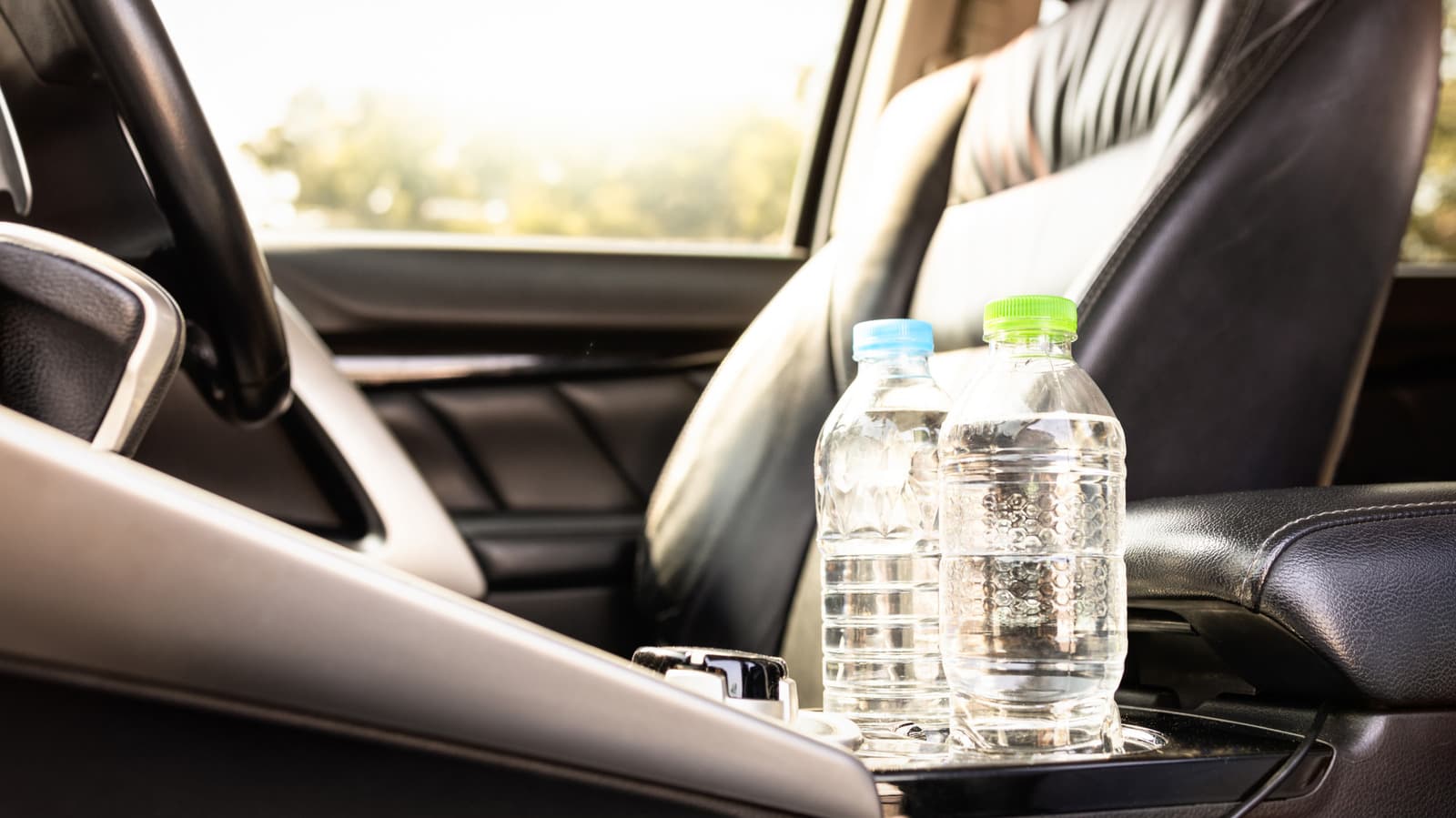
What Really Happens When You Leave a Water Bottle in a Hot Car?
We've all done it — left a plastic water bottle on the seat, gone about our day, and come back to a car that feels like the surface of the sun. The bottle is warm to the touch, the water inside is almost too hot to swallow, and yet you're thirsty enough to consider drinking it anyway. But before you take that swig, it's worth asking: is water left in a hot plastic bottle actually safe to drink?
The short answer is nuanced. The hot water itself is unpleasant but not inherently toxic. The real concern — and the one that has generated considerable scientific debate — is what the heat does to the plastic bottle and whether harmful chemicals leach into the water as a result.
How Hot Does a Parked Car Actually Get?
First, let's put the temperatures in perspective. On a warm sunny day, the interior of a parked car can reach temperatures between 130°F and 170°F (54°C to 77°C) within just one to two hours, even when the outside temperature is a relatively mild 70°F (21°C). Dashboard surfaces and objects sitting in direct sunlight — like a plastic water bottle on the passenger seat — can get even hotter than the ambient air inside the vehicle.
That means the water inside your bottle could realistically reach 140°F to 150°F (60°C to 65°C) on a hot summer afternoon. Drinking water at that temperature is physically uncomfortable and could potentially cause minor oral burns, but heat alone isn't the primary health concern most researchers focus on. The bigger question is what the plastic itself is doing under those conditions.
The Science of Plastic Leaching: BPA and Beyond
Most single-use plastic water bottles are made from polyethylene terephthalate, commonly known as PET or PETE (labeled as #1 plastic on the bottle's recycling symbol). For years, the headline concern around plastic bottles centered on bisphenol A, or BPA — an industrial chemical used in certain plastics and epoxy resins that has been linked to hormonal disruption in some studies.
The good news is that PET plastic does not contain BPA. BPA is primarily found in polycarbonate plastics, which are used in older reusable hard bottles, food storage containers, and some baby bottles. Single-use PET water bottles were never made with BPA, so the widespread public fear that leaving a disposable water bottle in a hot car would expose you to BPA is largely a myth.
However, that doesn't mean PET bottles are entirely without concern. Research has shown that heat can cause PET plastic to release other compounds, most notably antimony and acetaldehyde.
Antimony
Antimony is a metalloid used as a catalyst during the manufacturing of PET plastic. Studies have found that antimony can leach into water stored in PET bottles, and that the rate of leaching increases significantly when bottles are exposed to heat. While the concentrations detected in most studies remain below the levels considered harmful by the World Health Organization and the U.S. Environmental Protection Agency, prolonged exposure to higher temperatures does increase the amount released into the water over time.
Acetaldehyde
Acetaldehyde is a naturally occurring chemical compound that PET bottles can release in small amounts. It is generally recognized as safe at low levels and is actually a compound found naturally in many fruits and beverages. Most people would notice its presence as an off-taste or slightly fruity flavor in the water before it ever reached a concerning concentration.
What Do Health Authorities Actually Say?
Regulatory bodies including the FDA, WHO, and the European Food Safety Authority have reviewed the available evidence on PET plastic and water safety extensively. Their general consensus is that drinking water from a single-use PET bottle that has been left in a hot car on one occasion — or even a handful of occasions — is unlikely to pose a meaningful health risk to the average person.
The concern shifts, however, when bottles are reused repeatedly and subjected to ongoing heat exposure. The structural integrity of PET plastic degrades over time with repeated heating, increasing the potential for chemical migration into the contents. Using the same single-use bottle over and over, storing it in a hot environment regularly, or leaving bottles in a hot car habitually is a different scenario from a single warm summer afternoon.
Practical Tips to Minimize Any Risk
- Don't reuse single-use plastic bottles. They are designed for one use, and repeated use — especially when combined with heat — increases the likelihood of chemical leaching and bacterial growth from the bottle's surface.
- Switch to stainless steel or glass. Reusable stainless steel or glass water bottles eliminate the plastic leaching concern entirely and keep water cooler for longer through insulation.
- Avoid leaving bottles in direct sunlight inside the car. If you must leave a bottle in the car, store it in the glove box or trunk rather than on a sun-exposed seat.
- Check the recycling number. If you're using a reusable plastic bottle, look for #5 (polypropylene) or bottles explicitly labeled BPA-free and designed for repeated use.
- Trust your senses. If the water tastes odd or plasticky after being in a hot car, that's your body's cue to discard it rather than drink it.
The Bottom Line
Drinking water from a plastic bottle left in a hot car is not the immediate health emergency that viral social media posts sometimes suggest. The science indicates that a one-time drink from a heated PET bottle is unlikely to cause serious harm. That said, making a habit of it — particularly with reused single-use bottles — is worth reconsidering. The safest and simplest solution is to invest in a quality reusable stainless steel or glass bottle, keep it out of extreme heat when possible, and stay informed about what goes into the products you use every day. Your long-term health is worth more than the convenience of a forgotten bottle.