
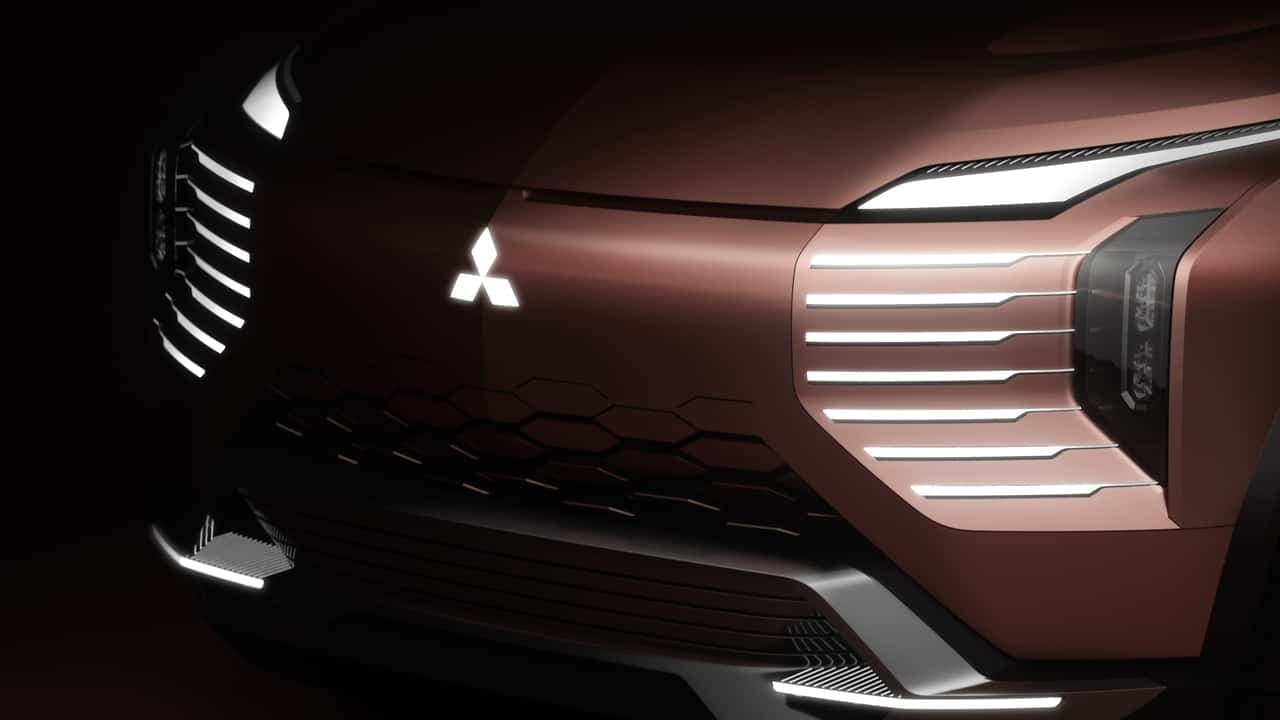
Mitsubishi Admits It Can't Afford to Develop Its Own Electric Vehicles
In a candid admission that sent ripples through the automotive industry, Mitsubishi has confirmed what many analysts had quietly suspected for years: the Japanese automaker simply does not have the financial resources to develop electric vehicles entirely on its own. Rather than pouring billions into ground-up EV architecture, Mitsubishi is leaning into a collaborative approach — leveraging its alliances to bring badge-engineered and jointly developed electric models to market. The most prominent example of this strategy is the upcoming Mitsubishi Eclipse Sportback, a vehicle that underscores just how dramatically the brand's development philosophy has shifted.
For a company with such a storied automotive heritage — from the original Eclipse sports coupe to the iconic Lancer Evolution and the pioneering Outlander PHEV — this pivot marks a defining moment. But is it a sign of weakness, or a pragmatic survival strategy in an era where EV development costs can run into the tens of billions of dollars?
The Financial Reality Behind Mitsubishi's EV Problem
Building a competitive electric vehicle from the ground up is extraordinarily expensive. Automakers must invest in proprietary battery technology, dedicated EV platforms, software ecosystems, charging infrastructure partnerships, and extensive crash and regulatory testing — all before a single car reaches a showroom floor. Mainstream players like Volkswagen, General Motors, and Hyundai have committed staggering sums — often north of $30 to $50 billion — to their EV transitions. Even larger automakers have struggled with the pace and cost of this transformation.
For a comparatively smaller player like Mitsubishi, those numbers are simply out of reach. The brand has long operated in the shadow of its Renault-Nissan-Mitsubishi Alliance partners, and its sales volumes globally don't generate the kind of cash flow necessary to self-fund a bespoke EV lineup. Company leadership has been transparent about this constraint, acknowledging that attempting to compete independently in EV development would likely do more harm than good to the brand's long-term viability.
What Is a 'Collaboration EV' and How Does It Work?
A collaboration EV — sometimes referred to in the industry as a rebadged or jointly developed vehicle — is built on a platform, powertrain, or architecture developed by an alliance partner, then adapted and marketed under a separate brand identity. This is not a new concept in the automotive world. Badge engineering has existed for decades, from the shared platforms of the 1980s European market to modern shared architectures used across entire corporate families.
For Mitsubishi, the Renault-Nissan-Mitsubishi Alliance provides a ready-made pipeline of electric vehicle technology. Nissan, for example, has accumulated years of real-world EV experience through the Leaf and the Ariya. Renault has invested heavily in its own EV lineup, including the popular Renault 5 E-Tech and the Scenic E-Tech. These platforms and technologies can be adapted, reskinned, and repositioned for the Mitsubishi brand — dramatically reducing development costs while still delivering a competitive product.
The Mitsubishi Eclipse Sportback: A Collaboration EV in Action
The Mitsubishi Eclipse Sportback is the clearest real-world expression of this new strategy. Drawing on alliance resources rather than Mitsubishi's own engineering budget, the Eclipse Sportback is designed to bring a fresh, stylish electric option to market under one of the brand's most recognizable nameplates. The Eclipse name carries significant heritage weight — particularly among enthusiasts who remember the turbocharged coupes of the 1990s and 2000s — and Mitsubishi is clearly banking on that nostalgia to generate showroom interest.
While full technical specifications have been carefully managed, the Eclipse Sportback is expected to reflect the practicality and range targets that modern EV buyers demand. Mitsubishi's design team has worked to differentiate the vehicle visually and in terms of interior character, ensuring it doesn't feel like a simple parts-bin exercise. The goal is to give buyers a genuine Mitsubishi experience, even if the foundational engineering comes from an alliance partner.
Is This Strategy Sustainable Long-Term?
The collaboration route carries both promise and risk. On the positive side, it allows Mitsubishi to remain relevant in a rapidly electrifying market without gambling its financial future on unproven in-house technology. It also accelerates time-to-market significantly — a critical advantage as consumer demand for EVs continues to grow in key regions including Europe, Australia, and Southeast Asia.
However, critics point out that a brand built primarily on rebadged or co-developed vehicles may struggle to forge a distinct identity over time. If consumers begin to perceive Mitsubishi EVs as simply repackaged Nissan or Renault products, the brand's premium positioning and emotional appeal could erode. Mitsubishi will need to invest meaningfully in design differentiation, customer experience, and brand storytelling to avoid becoming a footnote in the alliance ecosystem.
- Lower development costs allow Mitsubishi to bring EVs to market without prohibitive capital expenditure.
- Faster product cadence means Mitsubishi can refresh its lineup more frequently than independent development would allow.
- Alliance technology access gives Mitsubishi proven powertrains with established safety and reliability records.
- Brand differentiation risk remains a genuine concern as the lineup grows more reliant on shared platforms.
What Mitsubishi's Admission Tells Us About the Broader EV Market
Mitsubishi's candor about its financial limitations is actually a refreshing dose of honesty in an industry often prone to optimistic overclaiming. The reality is that the EV transition is shaking out as a contest primarily among automakers with very deep pockets or very bold government backing. Smaller, mid-tier brands are being forced to make difficult choices: merge, collaborate, retreat into niches, or risk irrelevance.
Mitsubishi's decision to lean into collaboration rather than pretend it has resources it doesn't is arguably the smartest available path. It keeps the brand alive, keeps products flowing into dealerships, and preserves jobs and market presence while the broader EV landscape continues to evolve. Whether that strategy is enough to secure a meaningful future for Mitsubishi in a fully electric world remains to be seen — but for now, it represents a clear-eyed response to an extraordinarily challenging moment in automotive history.
The Road Ahead for Mitsubishi
As the automotive industry accelerates toward electrification, Mitsubishi's path forward will be defined not just by the products it brings to market, but by how compellingly it tells its story to consumers. The Eclipse Sportback is a start — a tangible signal that the brand is not standing still. Future collaboration EVs will need to deliver on value, reliability, and design distinctiveness if Mitsubishi is to rebuild the kind of loyalty that once made the Outlander a bestseller and the Lancer Evolution a legend. The strategy is unconventional, but in today's market, unconventional thinking may be exactly what it takes to survive.