
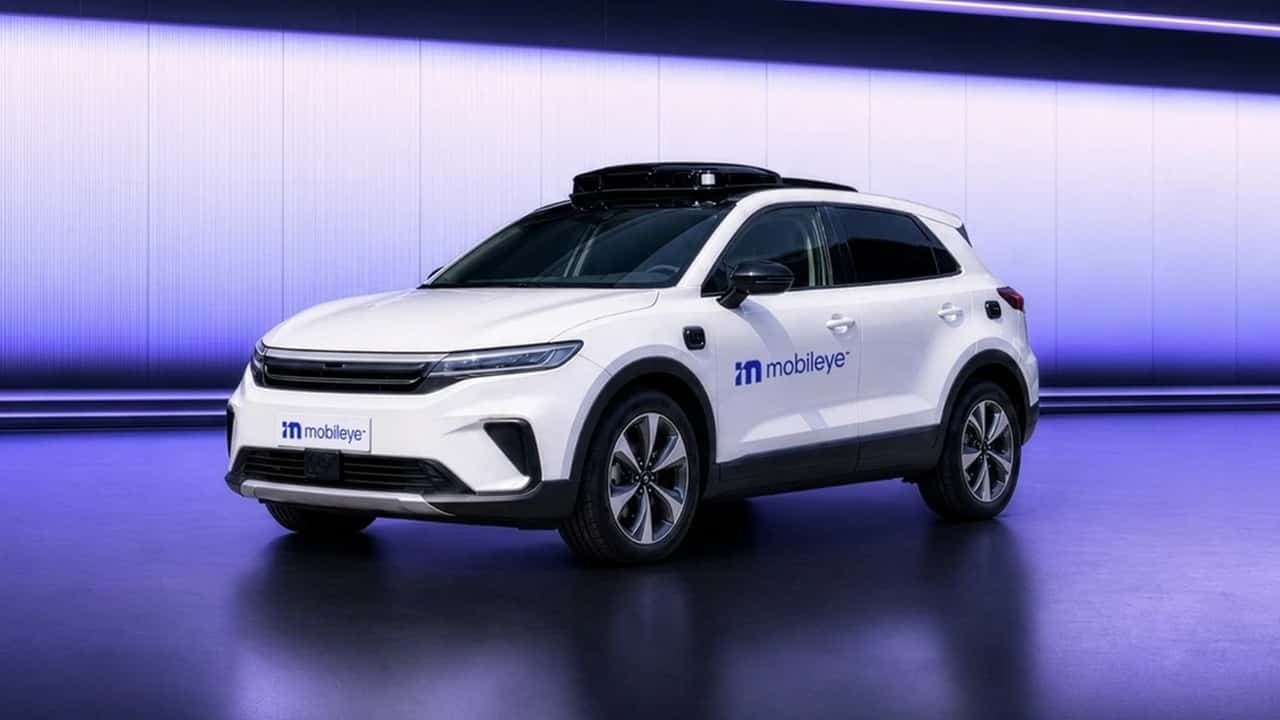
Mobileye Is Done Playing Support — It Wants a Seat at the Robotaxi Table
For years, Mobileye has been the quiet powerhouse behind some of the most advanced autonomous driving systems on the planet. As an Intel subsidiary, the company has supplied its self-driving technology to automakers and mobility companies across the globe, including Volkswagen's ride-hailing service MOIA. But now, Mobileye is making a significant strategic pivot: it is preparing to launch its very own robotaxi fleet in the United States.
This is not a minor update or a pilot program tucked away in a press release footnote. This is a direct move into a market currently contested by some of the best-funded and most high-profile companies in the world — companies like Waymo, Cruise, and Zoox. For anyone paying attention to the future of transportation, this announcement deserves a close look.
Who Is Mobileye and Why Does It Matter?
Mobileye was founded in Jerusalem in 1999 and became one of the earliest pioneers in computer vision technology for vehicles. Intel acquired the company in 2017 for approximately $15.3 billion — one of the largest tech acquisitions of that era. Since then, Mobileye has operated as a semi-independent subsidiary, continuing to develop and sell its advanced driver-assistance systems (ADAS) and autonomous driving platforms to a wide range of automotive partners.
The company's technology is embedded in tens of millions of vehicles worldwide. Its EyeQ chips and SuperVision autonomous driving platform have become industry benchmarks, used by automakers ranging from BMW to Volkswagen. When MOIA, Volkswagen's electric ride-pooling service operating in Hamburg, Germany, began scaling its autonomous capabilities, it turned to Mobileye's tech stack to do so.
That relationship illustrated a crucial point: Mobileye has long been the infrastructure provider, the company behind the curtain that makes other robotaxi services possible. Until now.
The Strategic Shift: From Supplier to Operator
Launching a proprietary robotaxi fleet marks a profound transformation in Mobileye's business model. Rather than licensing technology to third parties and collecting revenue from hardware and software sales, Mobileye will now compete directly in the mobility-as-a-service market. This means the company will own and operate vehicles, manage ride-hailing logistics, and interact directly with paying passengers.
The implications of this shift are enormous — both for Mobileye and for the broader autonomous vehicle industry. Here is why this move makes strategic sense for the company:
- Vertical integration: By owning the fleet, Mobileye gains end-to-end control over how its technology performs in real-world conditions. This creates a powerful feedback loop for continuous improvement that no third-party deployment can fully replicate.
- Revenue diversification: Selling chips and software is profitable, but operating a robotaxi service opens an entirely different and potentially far larger revenue stream tied directly to ride volume and geographic expansion.
- Proof of concept at scale: Running its own fleet gives Mobileye a live, public demonstration of its autonomous driving capabilities — arguably the most persuasive marketing tool available in this industry.
- Competitive positioning: As rivals like Waymo continue expanding into new U.S. cities, Mobileye risks being marginalized as merely a component supplier if it does not establish its own presence in the operational layer of the autonomous mobility market.
What the U.S. Market Means for This Launch
The United States remains the most scrutinized and strategically important market for autonomous vehicle deployment. Regulatory frameworks vary state by state, public trust in self-driving technology is still developing, and the competitive landscape is fierce. Choosing to launch a robotaxi fleet in the U.S. signals that Mobileye is confident not only in its technology but also in its ability to navigate the complex operational and regulatory environment that comes with putting autonomous cabs on American streets.
Waymo currently leads the commercial robotaxi space in the U.S., with fully driverless services operating in San Francisco, Phoenix, and Los Angeles. Mobileye entering this arena will undoubtedly draw comparisons — and competition. However, Mobileye's deep relationships with established automakers and its proven hardware ecosystem could give it a distinct advantage when it comes to scaling quickly and cost-effectively.
The Road Ahead: Challenges Mobileye Must Navigate
No discussion of robotaxi expansion would be complete without acknowledging the very real challenges that lie ahead. Mobileye's transition from a B2B technology supplier to a consumer-facing mobility operator is not without risk.
Public perception remains one of the most significant hurdles. High-profile incidents involving autonomous vehicles — whether involving Waymo, Tesla's Autopilot, or Cruise's troubled exit from the San Francisco market — have made consumers cautious. Mobileye will need to demonstrate an impeccable safety record from day one, as any notable incident could set back not just its own ambitions but public acceptance of autonomous vehicles more broadly.
There are also questions around operational infrastructure. Running a fleet requires far more than great software — it demands robust vehicle maintenance, 24/7 monitoring, customer support systems, and the kind of logistics expertise that traditional automakers and tech companies have had to build from scratch. Mobileye is entering this world without a decades-long track record as an operator.
Regulatory approval will also be a key bottleneck. Each U.S. city or state in which Mobileye wishes to operate will require its own set of permits, safety validations, and often public hearings. This process is rarely fast, and it requires sustained engagement with local government officials and transportation authorities.
Why This Is a Defining Moment for Autonomous Mobility
Mobileye's decision to launch its own robotaxi fleet in the United States is more than a business pivot — it is a signal that the autonomous vehicle industry is maturing into a stage where suppliers can no longer afford to remain on the sidelines. The companies that will define the next decade of transportation are those that combine cutting-edge technology with the operational courage to put it directly in front of consumers.
Whether Mobileye succeeds in becoming a major robotaxi operator or ultimately strengthens its supplier relationships through this experience, the move reshapes the competitive landscape in meaningful ways. The age of the autonomous taxi is no longer a distant promise — and Mobileye just made it clear that it intends to be one of the drivers.