
New vs. Old Semi Trucks: The Great Debate on the Open Road
Walk into any truck stop diner across America and you're likely to overhear it — the ongoing debate between drivers who swear by their classic rigs and those who've embraced the latest generation of semi trucks rolling off the assembly line. As modern semi trucks become increasingly uniform in design, packed with advanced technology, and engineered for greater fuel efficiency, opinions across the trucking industry remain sharply divided. Are new semi trucks genuinely better than their older counterparts, or has something valuable been lost in the pursuit of progress?
To answer that question properly, it's worth looking at the issue from multiple angles — the driver's seat, the fleet manager's office, and the repair shop floor. Each perspective tells a different part of the same story.
What's Changed in Modern Semi Trucks
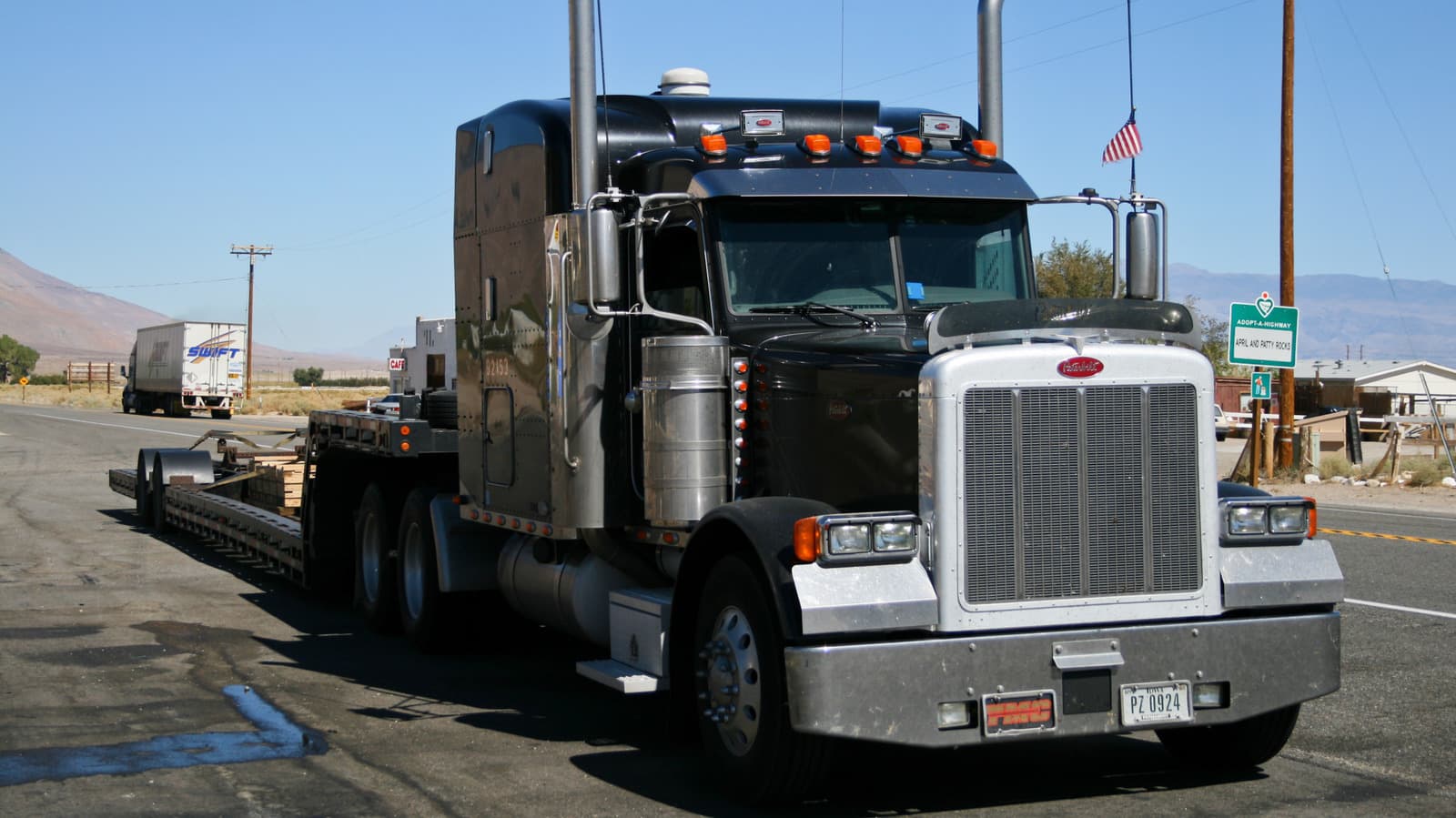
Today's semi trucks look strikingly different from the rigs that dominated highways in the 1980s and 1990s. Manufacturers like Freightliner, Kenworth, Peterbilt, Volvo, and Mack have converged on aerodynamic cab designs that prioritize fuel economy above almost everything else. Gone, for the most part, are the long-nosed classics with their distinctive chrome stacks and boxy silhouettes. In their place are sleek, wind-cheating profiles engineered in computational fluid dynamics software before a single prototype is ever built.
Beyond the exterior, the interiors of new semi trucks have been transformed. Drivers now sit in cabs that feature digital dashboards, lane departure warning systems, automatic emergency braking, adaptive cruise control, and in some cases, semi-autonomous driving assistance. Connectivity features allow fleet managers to monitor vehicle performance, driver behavior, and cargo conditions in real time. On the powertrain side, modern diesel engines paired with sophisticated automatic transmissions deliver fuel efficiency numbers that older engines simply couldn't match.
What Drivers Actually Think
You might expect veteran drivers to embrace all this progress with open arms. In many cases, they do — but with meaningful reservations. Comfort and safety improvements are widely appreciated. A modern sleeper cab with climate control, a larger bunk, better soundproofing, and ergonomic seating makes long-haul life considerably more tolerable than it was a generation ago. Drivers who have spent time in both old and new trucks frequently acknowledge that their bodies feel better after a long run in a newer rig.
However, the relationship between drivers and technology is complicated. Many experienced truckers express frustration with systems that feel intrusive rather than helpful. Automatic braking that activates unexpectedly, lane-keeping systems that fight the driver on a curved ramp, or electronic logging devices that feel like a supervisor looking over your shoulder — these features can erode the sense of autonomy that drew many people to trucking in the first place.
There's also a widely held opinion among older drivers that modern trucks have been engineered with the fleet owner in mind rather than the person behind the wheel. Settings that would once have been at the driver's discretion — engine braking, idle time, governed top speed — are now frequently locked down by fleet management software. For owner-operators, this can feel particularly restrictive.
Classic trucks, meanwhile, hold a near-legendary status in certain corners of the trucking community. Older Peterbilt 379s, Kenworth W900s, and similar models are celebrated for their repairability, their straightforward mechanical systems, and the sense of control they give their drivers. Many owner-operators actively seek out well-maintained older trucks precisely because they can perform much of their own maintenance without specialized diagnostic equipment.
The Fleet Owner Perspective
Fleet owners and logistics managers tend to view the new versus old question through a different lens entirely — and for them, the math often favors new trucks decisively.
Fuel is one of the largest operating costs in trucking, and modern semi trucks can deliver fuel economy improvements of 30 to 40 percent compared to trucks from two or three decades ago. Over the course of hundreds of thousands of miles, those savings are enormous. Add in lower emissions compliance costs, manufacturer warranty coverage, and the reduced risk of catastrophic mechanical failure, and the business case for newer equipment becomes hard to argue against.
Safety technology also factors into fleet calculations. Insurance carriers increasingly reward fleets that run trucks equipped with collision mitigation systems and electronic stability control. The data gathered by telematics systems can reduce fuel waste, improve routing, and help identify drivers who may need additional coaching before an accident occurs.
That said, fleet owners are not without their own complaints about new trucks. The complexity of modern emissions systems — particularly diesel particulate filters and selective catalytic reduction systems — has introduced new maintenance headaches and unexpected downtime. Repair costs for modern trucks can be substantial, and dealer service networks don't always have the capacity to turn trucks around quickly when problems arise.
Reliability and Repairability: A Critical Dividing Line
Perhaps no issue divides the new versus old debate more sharply than repairability. Older trucks were mechanical in a way that gave skilled drivers and independent mechanics the ability to diagnose and fix problems roadside or in a small shop. Modern trucks are deeply reliant on proprietary software, and many repairs require manufacturer-specific tools and dealer access.
For owner-operators working on tight margins, a truck that can't be kept running without an expensive dealer visit represents a serious vulnerability. This is one reason the used truck market for well-maintained pre-emissions-era semi trucks remains strong, even as newer models offer compelling advantages on paper.
So, Are New Semi Trucks Better?
The honest answer is: it depends on what you value most. For fuel efficiency, driver comfort, safety features, and raw performance, modern semi trucks represent a genuine leap forward. For repairability, driver autonomy, and the satisfaction of operating a machine you truly understand and control, older trucks retain a loyal following that shows no sign of fading.
What the debate ultimately reveals is that "better" in trucking is not a single, universal standard. It's a calculation shaped by operating costs, personal values, business models, and a deep cultural identity that has always been at the heart of the American trucking industry. Both old and new trucks have earned their place on the road — and the drivers behind the wheel of each have good reasons for being there.