
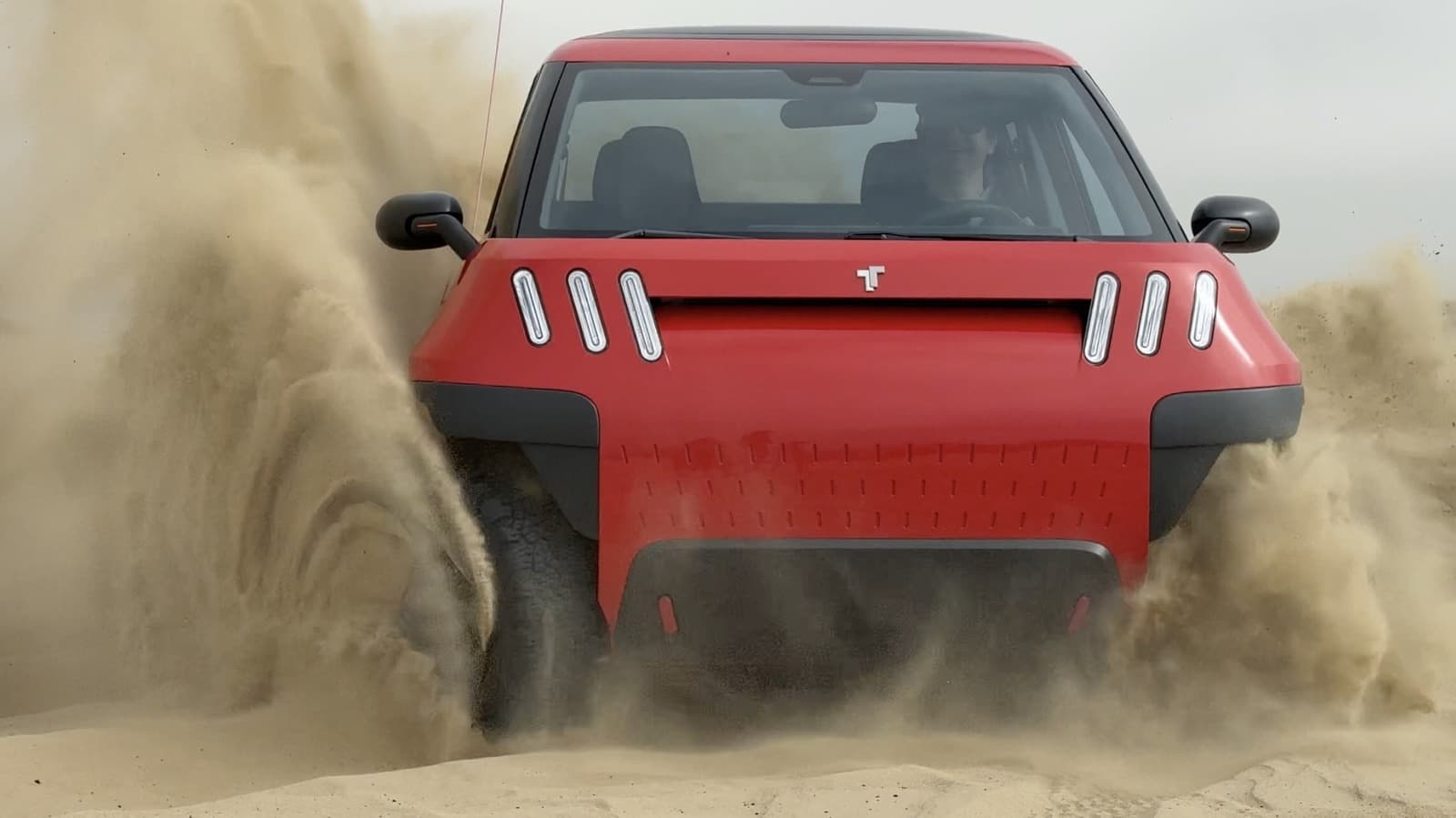
The Telo MT1 Electric Pickup Truck Is Closer to Reality Than Ever
In a world crowded with electric vehicle announcements that never quite make it to a driveway near you, the Telo MT1 has always stood out as something genuinely different. Small, clever, and almost stubbornly optimistic about what a pickup truck can be, the MT1 has been turning heads since it first surfaced as a concept. Now, with a manufacturing partner announcement bringing fresh momentum to the project, there is cautious but real reason to believe this tiny electric pickup might actually make it to production. Here is everything you need to know about the Telo MT1 and why it matters for the future of electric vehicles.
What Exactly Is the Telo MT1?
The Telo MT1 is a compact electric pickup truck designed and developed by Telo Trucks, a startup based in the United States. Unlike the hulking electric pickups that dominate current conversations — think the Rivian R1T, the Ford F-150 Lightning, or the polarizing Cybertruck — the MT1 takes a radically different approach. It is small. Genuinely, refreshingly small, roughly the footprint of a Honda Civic, yet it still manages to offer a usable truck bed and impressive cargo versatility.
That combination of compact urban dimensions and genuine pickup truck utility is the core of the MT1's appeal. For city dwellers who need a truck for weekend projects, hauling bikes, or carrying gear without sacrificing daily parking sanity, the MT1 presents a compelling case that no other electric truck on the market currently addresses.
Key Specs and Design Features
While full production specifications are still being refined, Telo has shared enough details to paint an exciting picture of what the MT1 is aiming to deliver.
- Length: Approximately 157 inches — shorter than most compact sedans currently on the road, making it a genuinely urban-friendly truck.
- Bed space: Despite its compact footprint, the MT1 is engineered to offer a 4-foot by 4-foot cargo bed, which handles the vast majority of real-world hauling needs.
- Range: Telo has targeted a range figure north of 350 miles on a full charge, which would be highly competitive even against larger, more established electric trucks.
- Powertrain: The MT1 is designed around a dual-motor all-wheel-drive configuration, with performance figures expected to be more than adequate for both daily commuting and weekend adventure use.
- Frunk and underbed storage: Smart use of the electric platform means the MT1 packages significant additional storage beyond the primary truck bed, further justifying its utility credentials.
The design itself is clean and modern without being theatrical. Where some electric vehicles seem determined to look like science fiction props, the Telo MT1 opts for a restrained aesthetic that looks purposeful and confident. It is a truck that wants to be used, not stared at.
The Manufacturing Partner Announcement: Why It Matters
For any EV startup, the gap between a beautiful prototype and an actual vehicle rolling off an actual production line is enormous, expensive, and historically littered with the wreckage of good intentions. This is why the news of Telo securing a manufacturing partner represents a genuinely significant milestone, not just another press release to scroll past.
Manufacturing partnerships provide startups like Telo with access to established production infrastructure, supply chain relationships, quality control processes, and the kind of institutional knowledge that takes decades to build from scratch. Without a credible path to manufacturing, even the most innovative vehicle concept remains just that — a concept. With a partner in place, the conversation shifts from "could this ever happen" to "when does this happen."
It is worth noting that a manufacturing deal does not guarantee success. The road from partnership announcement to customer deliveries remains long, and the electric vehicle startup space has seen more than a few promising ventures stall at exactly this stage. Telo's fate, as observers have noted, is still far from settled. But momentum matters in this industry, and right now, the MT1 has it.
Why the Telo MT1 Could Change the EV Conversation
The electric vehicle market has spent the better part of the last five years scaling upward in every direction — bigger batteries, bigger bodies, bigger price tags. The average transaction price for a new electric vehicle remains stubbornly high, and the sheer physical size of most electric pickups makes them impractical for a significant portion of potential buyers who live in dense urban environments.
The Telo MT1 challenges that trajectory directly. By proving that an electric truck does not need to be enormous to be useful, it opens up a segment of the market that is currently completely unserved. Young urban professionals who need occasional truck utility, small business owners working in cities, outdoor enthusiasts navigating tight mountain town streets — these are buyers who want a truck but have been priced out or sized out of every option currently available.
What Comes Next for Telo and the MT1
With a manufacturing partner now in the picture, the next critical milestones for Telo will involve finalizing production specifications, confirming pricing, and opening or expanding reservation books to gauge and build consumer demand. The company will also need to navigate the considerable challenges of homologation, safety certification, and supplier agreements that stand between a production-ready design and a street-legal vehicle.
Watchers of the EV space should keep a close eye on Telo's progress over the coming months. If the MT1 reaches customers anywhere close to its stated specifications and at a competitive price point, it will not just be a successful product launch — it will be a genuine statement about what electric mobility can look like when designers prioritize real-world utility over sheer scale.
The Bottom Line
The Telo MT1 electric pickup truck remains one of the most intriguing vehicles in development anywhere in the industry today. Compact, cleverly engineered, and now backed by a manufacturing partnership that gives it a credible path to production, the MT1 represents exactly the kind of creative thinking the electric vehicle space needs more of. Cautious optimism is warranted — and for a startup story still very much in progress, that is no small thing.