
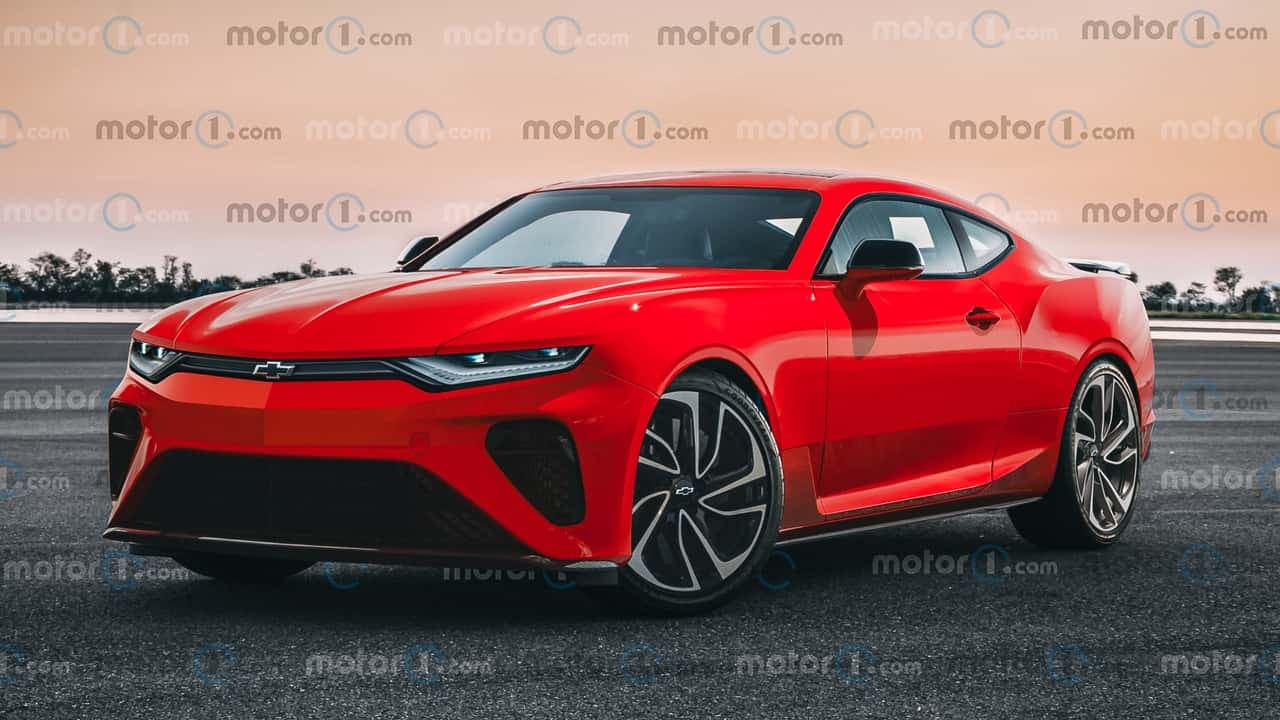
The New Camaro Is Coming Back — And It Could Pack a Supercharged Punch
If you thought Chevrolet was done with the Camaro, think again. After the controversial discontinuation of the sixth-generation model in 2024, rumors and reports have been swirling about the iconic pony car's return. Now, fresh reports suggest that not only is a new Camaro in the works, but it could also arrive with a high-performance variant powered by a supercharged version of Chevrolet's new 6.7-liter V8 engine. For muscle car enthusiasts who mourned the nameplate's departure, this is the news they've been waiting for.
What the Reports Say About the New Camaro
According to emerging industry reports, Chevrolet is actively developing a next-generation Camaro that would ride on a new platform and be powered by the brand's latest 6.7-liter small-block V8 engine. While that naturally aspirated unit is expected to deliver impressive output on its own, insiders suggest that a range-topping performance trim — likely positioned as the spiritual successor to the beloved ZL1 — would take things considerably further by adding forced induction via a supercharger.
This wouldn't be the first time Chevrolet has gone down this road. The previous Camaro ZL1 was famously fitted with a supercharged 6.2-liter LT4 V8 producing 650 horsepower, making it one of the most thrilling American performance cars ever built. A supercharged 6.7-liter unit would almost certainly eclipse those figures, potentially pushing output well beyond 700 horsepower and placing the new Camaro firmly in supercar-fighting territory.
Why a High-Performance Variant Makes Perfect Sense
From a business and enthusiast standpoint, launching the new Camaro without a halo performance model would be a significant missed opportunity for General Motors. The ZL1 was never the highest-volume Camaro sold, but it served a critical role in defining the entire lineup's performance credentials and generating the kind of automotive press coverage that money simply cannot buy. A supercharged variant would perform that same function for the next generation.
Beyond brand identity, the competitive landscape demands it. The Ford Mustang, Camaro's eternal rival, continues to evolve with high-performance Dark Horse and GT500 variants that keep enthusiasts engaged and showrooms buzzing. If Chevrolet intends to reclaim its slice of the performance car market, arriving with a headline-grabbing, tire-shredding range-topper isn't just a good idea — it's practically a requirement.
The 6.7-Liter V8: A New Era for Chevrolet Performance
Central to this story is Chevrolet's new 6.7-liter V8 engine, which represents a significant displacement increase over the outgoing 6.2-liter units. A larger displacement naturally allows for more airflow, more fuel, and ultimately more power — and that's before forced induction enters the equation. When you bolt a supercharger onto an already large-displacement V8, the results can be genuinely stratospheric.
Supercharging remains one of the most effective ways to dramatically increase an engine's output while preserving the linear, accessible power delivery that makes a car enjoyable on both the street and the track. Unlike turbocharging, a supercharger is mechanically driven by the engine itself, which means throttle response is immediate and predictable — a characteristic that performance drivers consistently prize. For a car meant to be driven hard on winding roads and weekend track days, it's arguably the ideal choice of forced induction.
If Chevrolet's engineers can extract 700 or more horsepower from a supercharged 6.7-liter package while meeting modern emissions and efficiency standards, the result would be one of the most powerful production Camaros in history.
What Could a High-Performance Camaro Look Like?
While specific details remain under wraps, history and logic give us a reasonable picture of what a next-generation performance Camaro might offer. Expect aggressive aerodynamic bodywork with functional downforce-generating elements, a significantly upgraded suspension and braking package, wider performance tires, and a driver-focused interior loaded with track-oriented features like data logging, adjustable drive modes, and premium sport seats.
On the transmission front, both a close-ratio manual gearbox and a high-performance automatic are likely to feature, catering to purists and those who prefer lightning-fast paddle-shifted gear changes alike. Magnetic Ride Control, which debuted on earlier performance Camaros, would almost certainly return in an updated form, giving drivers an extraordinary level of chassis adjustability at the push of a button.
The Cultural Stakes Are High
The Camaro isn't just a car — it's a cultural touchstone. For decades, it has represented accessible American performance, a car that everyday enthusiasts could aspire to own and actually drive to its limits without needing professional racing credentials. Its hiatus stung the automotive community in a way that spreadsheet-driven corporate decisions rarely account for.
Bringing it back with a proper high-performance variant signals that Chevrolet understands what the car means to its fans. It suggests a commitment to the idea that electric vehicles and crossovers, as important as they are to the brand's future, don't have to come at the complete expense of analog, combustion-powered thrills.
What Enthusiasts Should Watch For
Official confirmation from General Motors or Chevrolet regarding the next-generation Camaro's production timeline and powertrain details.
Spy shots of prototype mules testing on public roads or at proving grounds, which typically begin appearing one to two years ahead of a production reveal.
Announcements tied to major auto shows, where Chevrolet has historically chosen to debut significant new models and concept vehicles.
Updates regarding the supercharged 6.7-liter V8's output specifications and whether it will be shared across other GM performance vehicles.
The Bottom Line
A new Camaro with a supercharged high-performance variant would be one of the most exciting automotive stories in recent memory. Chevrolet has the engine architecture, the engineering talent, and an incredibly motivated fanbase ready to embrace whatever comes next. If these reports hold true, the pony car wars are about to get very interesting indeed. Stay tuned — the Camaro's next chapter may well be its most thrilling yet.