
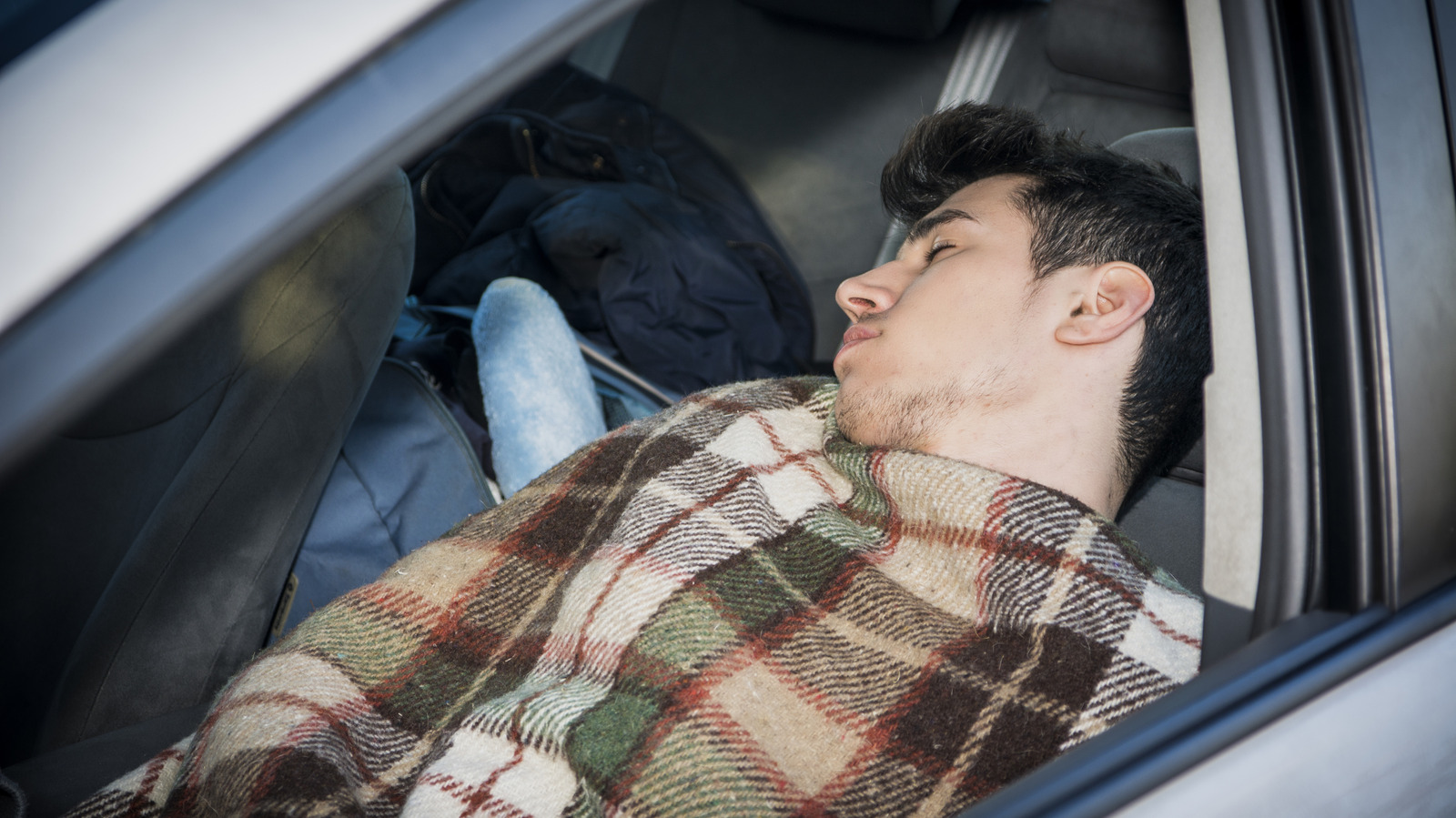
The Worst Cars to Sleep In: Real Stories From Road-Weary Drivers
Whether you've ever reclined a seat on a long road trip, curled up in the backseat as a kid, or committed to a full night of car camping, you already know the truth: not all cars are created equal when it comes to catching some sleep. Some vehicles feel like a mobile bedroom, while others seem specifically engineered to make rest as uncomfortable as humanly possible. From vintage sedans with springs that poke through the upholstery to modern compacts with barely enough legroom for a golden retriever, the worst cars to sleep in are a special kind of misery — and drivers everywhere have the stiff necks to prove it.
We gathered real experiences from drivers across a wide spectrum, from spontaneous overnight camping adventures to childhood naps wedged between the center console and a window. The responses covered everything from classic American muscle cars to tiny economy hatchbacks. What they all shared was a single, uncomfortable truth: sleeping in the wrong car is an experience you don't forget.
What Makes a Car Terrible for Sleeping?
Before diving into the specific offenders, it helps to understand what separates a good car-sleeping experience from a truly terrible one. Several key factors determine whether you'll wake up refreshed or hobbling toward a gas station coffee machine like a zombie.
- Interior length and flat surface potential: A car that can't accommodate a flat, stretched-out sleeping surface is going to punish your spine. Cars with folding rear seats that create a flat cargo area are far superior to those that don't.
- Seat comfort and recline angle: Front seats that only recline to a shallow angle force you into a half-seated, half-lying position that no chiropractor would recommend. Thin cushioning and hard bolsters make this worse.
- Temperature regulation: A car that turns into a sauna in summer or a freezer in winter — with no way to run the climate system without burning fuel all night — dramatically affects sleep quality.
- Interior space and headroom: Low rooflines, intrusive wheel wells, and cramped cabins make it nearly impossible to find a comfortable sleeping position, especially for taller drivers.
- Noise and vibration: Road noise, thin windows, and cabin resonance can make it feel like you're sleeping inside a tin can, even when parked.
The Most Notorious Offenders
Classic Sports Cars and Muscle Cars
It should surprise no one that cars built for performance rather than comfort rank among the worst for sleeping. Classic muscle cars and sports coupes typically feature bucket seats with aggressive side bolstering designed to hold you in place during hard cornering — not to cradle you through eight hours of rest. The rear seats, when they exist at all, are often little more than decorative padding wedged behind the front buckets. Trying to sleep in the backseat of a classic pony car is an exercise in contortion, with your knees pressed against the front seat and your head resting on a curved rear window shelf that's exactly the wrong shape for a human skull.
Many drivers who attempted overnight stays in vintage muscle cars recalled waking up with sore backs, numb arms, and a newfound appreciation for budget motels. The irony is that these are often the cars people bring to camping events and long weekend road trips — the very occasions when a decent night's sleep matters most.
Subcompact Hatchbacks and Economy Cars
Small economy cars offer some of the worst sleeping experiences on the road, particularly for anyone over five and a half feet tall. While their hatchback designs theoretically allow for cargo area sleeping, the reality is often a cramped, awkward space hemmed in by wheel well intrusions and a steeply raked rear glass that closes in overhead. Front seats in budget-oriented subcompacts tend to have minimal padding and limited recline travel, leaving occupants in an uncomfortable half-upright position that guarantees a restless night.
Drivers who grew up taking long family road trips in economy cars often remember the backseat experience vividly — pressed against a sibling, feet dangling, and the seat cushion slowly losing any softness it once had somewhere around mile 300.
Two-Door Coupes With Minimal Rear Seating
Two-door coupes are stylish and often fun to drive, but their rear seats are frequently an afterthought. Designed to technically qualify as four-passenger vehicles, the back seats of many coupes offer little headroom, minimal legroom, and seat cushions so thin they border on cosmetic. For anyone forced to sleep back there — whether during a camping trip or a marathon road journey — the experience ranges from mildly uncomfortable to genuinely painful.
Tips for Sleeping in Your Car More Comfortably
If car sleeping is on your horizon, whether by choice or necessity, a few practical steps can make a significant difference regardless of what vehicle you're working with.
- Invest in a purpose-built car camping mattress pad or inflatable mattress designed to fit your vehicle's cargo area.
- Use a sunshade or window covers to keep temperatures manageable and give yourself privacy.
- Park on level ground — even a slight incline can become maddening after an hour of trying to sleep.
- Crack a window slightly for airflow, but use a mesh window screen to keep insects out.
- Bring a proper sleeping bag rated for the expected overnight temperature rather than relying on a blanket.
- Recline front seats as far as they go and use a neck pillow designed for travel to reduce strain.
The Takeaway: Know Your Car Before You Sleep In It
The worst cars to sleep in aren't necessarily bad cars by any other measure — some of them are genuinely beloved for their driving dynamics, style, or reliability. But when the lights go out and you need a few hours of real rest, the hierarchy becomes very clear. Space, flatness, insulation, and comfort are the only currencies that matter, and plenty of otherwise excellent vehicles come up dramatically short.
The next time you're planning a road trip with an overnight stop, it's worth spending a few minutes honestly assessing your car's sleep-in-ability before committing to skipping the hotel. Your back — and your disposition the next morning — will thank you for it.