
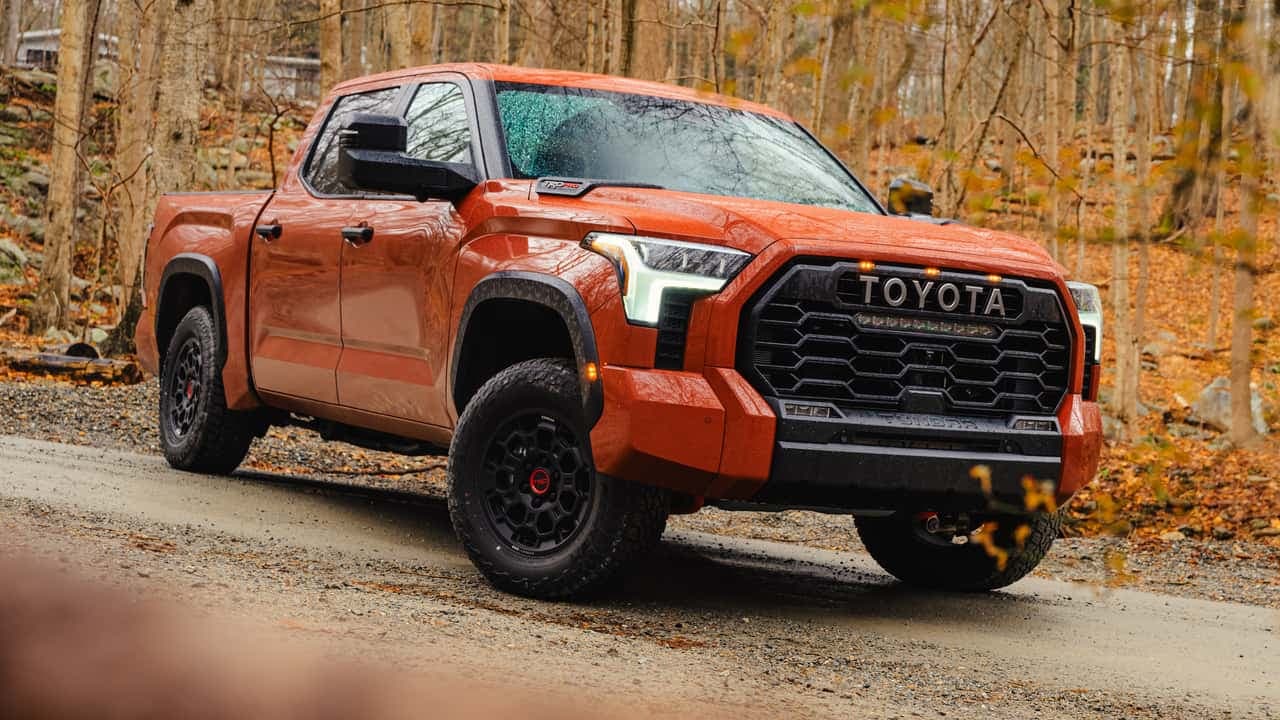
Toyota and Nissan Admit Their American-Made Vehicles Don't Meet Japanese Quality Standards
For decades, Japanese automakers have built their global reputations on one defining promise: meticulous quality. Brands like Toyota and Nissan became household names worldwide largely because of their reliability, precision engineering, and near-flawless build quality. But a growing and uncomfortable admission from both manufacturers is now raising eyebrows across the automotive industry — vehicles rolling off American assembly lines are not being held to the same exacting standards as those built in Japan.
This revelation isn't just a minor footnote in an earnings report. It cuts to the heart of what consumers expect when they pay tens of thousands of dollars for a new vehicle, and it raises important questions about manufacturing consistency, corporate accountability, and the future of automotive quality control in an increasingly globalized industry.
What "Japanese Standards" Actually Means
To understand why this matters, it helps to appreciate just how demanding Japanese automotive quality benchmarks actually are. Japanese consumers are widely regarded as among the most discerning car buyers in the world. They expect and routinely receive vehicles with virtually flawless paint application, perfectly uniform panel gaps, spotless interiors free of adhesive residue, and mechanical tolerances that border on the obsessive.
In Japan, returning a new car to a dealership because of a minor paint imperfection or an uneven door gap is not considered unreasonable — it is expected to be taken seriously. Dealerships perform meticulous pre-delivery inspections, and manufacturers are well aware that Japanese buyers will notice and report even the subtlest deviation from perfection. This culture of quality has pushed Japanese automakers to set internal standards that exceed what most markets would ever demand.
The problem, according to statements and internal acknowledgments from Toyota and Nissan, is that those same standards have not been consistently replicated in their North American production facilities.
The Specific Quality Gaps Being Acknowledged
The issues being cited are not mechanical failures or safety defects — at least not in the traditional sense. Instead, they fall into the category of fit, finish, and cosmetic quality. Among the most commonly referenced concerns are:
- Thin or uneven paint application — paint depth and consistency on US-built models has been flagged as falling below the thresholds maintained in Japanese plants.
- Panel gaps — the spacing between body panels such as doors, hoods, and fenders can be visibly inconsistent on American-made vehicles compared to their Japan-produced counterparts.
- Leftover residue and interior blemishes — adhesive residue from protective films, dust contamination during assembly, and minor interior finishing imperfections have been noted as more prevalent in US-built units.
These might sound like nitpicks to some buyers, but for anyone spending $35,000 to $60,000 or more on a new vehicle, they represent a meaningful gap between expectation and reality.
Why Does the Quality Gap Exist?
Manufacturing vehicles at scale across multiple continents is an enormously complex logistical challenge. While Toyota and Nissan have invested heavily in their American production facilities — with major plants in states like Kentucky, Tennessee, Mississippi, and Texas — replicating the precise culture and infrastructure of Japanese manufacturing is easier said than done.
Several factors contribute to the disparity. Workforce training and institutional knowledge developed over generations in Japan cannot be transplanted overnight. Supply chain differences mean that some components sourced locally in the US may not meet the same specifications as those sourced in Japan. Additionally, production pressures and volume demands in the American market can create conditions where speed occasionally takes priority over perfection.
There is also a cultural dimension. The Japanese manufacturing philosophy, often described through the lens of concepts like kaizen (continuous improvement) and monozukuri (the art of making things), is deeply embedded in domestic operations in ways that have proven difficult to fully export.
What This Means for American Car Buyers
For consumers in the United States, this admission deserves attention. Many American buyers choose Toyota and Nissan products specifically because of their reputation for quality and long-term reliability. Learning that the vehicles assembled closest to home may not fully reflect that reputation is understandably concerning.
That said, it is important to distinguish between cosmetic quality gaps and functional reliability. American-built Toyotas and Nissans still routinely perform well in long-term reliability surveys and owner satisfaction studies. The issues being highlighted are largely aesthetic rather than mechanical — but for a premium purchase, aesthetics matter.
Buyers who prioritize pristine build quality may want to research which specific models and trims are manufactured where, and inspect their vehicles carefully before taking delivery. In many cases, thorough pre-delivery inspections and open communication with dealerships can help identify and resolve minor finishing issues before they become post-sale frustrations.
Is Change Coming?
Both Toyota and Nissan have signaled awareness of the problem, which is itself a meaningful first step. Acknowledgment at the corporate level tends to precede investment in corrective action, and both companies have strong competitive incentives to close the quality gap. With consumers increasingly informed and vocal about their experiences, and with third-party quality surveys such as those from J.D. Power readily available, the pressure to improve is real and ongoing.
The broader lesson here may be one that applies across the entire global automotive industry: manufacturing reputation is not automatically transferable. Quality must be actively built, monitored, and defended at every facility, in every market, on every vehicle that leaves the line.
For now, the admission from Toyota and Nissan is a reminder that even the most respected brands in the world are works in progress — and that the gap between a good car and a great one often comes down to the details that most people notice only when they are missing.