
Waymo Issues Recall Affecting Nearly 4,000 Autonomous Vehicles
Waymo, the self-driving car division of Alphabet Inc., is facing a significant safety recall involving nearly 4,000 of its autonomous robotaxi vehicles. The recall was triggered after investigators identified a software flaw that could potentially allow the vehicles to enter active freeway construction zones — areas that pose serious risks to both passengers and road workers. A software update is being deployed to address the issue, but the recall has once again placed the autonomous vehicle industry under intense public and regulatory scrutiny.
As self-driving technology continues to push toward mainstream adoption, incidents like this serve as a critical reminder that even the most advanced artificial intelligence systems are not immune to safety gaps. For Waymo, a company that has long been considered the gold standard in autonomous vehicle development, this recall represents one of its most high-profile safety challenges to date.
What Triggered the Waymo Recall?
The recall was initiated after the National Highway Traffic Safety Administration (NHTSA) flagged concerns about how Waymo's autonomous driving system responds to freeway construction zone conditions. Construction zones on highways are notoriously complex environments, featuring temporary signage, shifting lane configurations, unpredictable worker movements, and sudden changes in road geometry that can confuse even human drivers.
According to the details surrounding the recall, Waymo's software was found to have a deficiency in how it processes and interprets these dynamic road environments. Under certain conditions, the system may fail to correctly identify a construction zone and proceed to navigate the vehicle into an area that is either restricted, hazardous, or actively being worked on by road crews.
The implications of such a flaw are serious. A robotaxi entering a live construction zone could endanger workers, obstruct equipment, and place passengers in an unsafe situation. While no injuries directly linked to this specific issue have been widely reported at the time of the recall, the potential for harm was significant enough to prompt immediate action from both Waymo and federal regulators.
How Many Vehicles Are Affected?
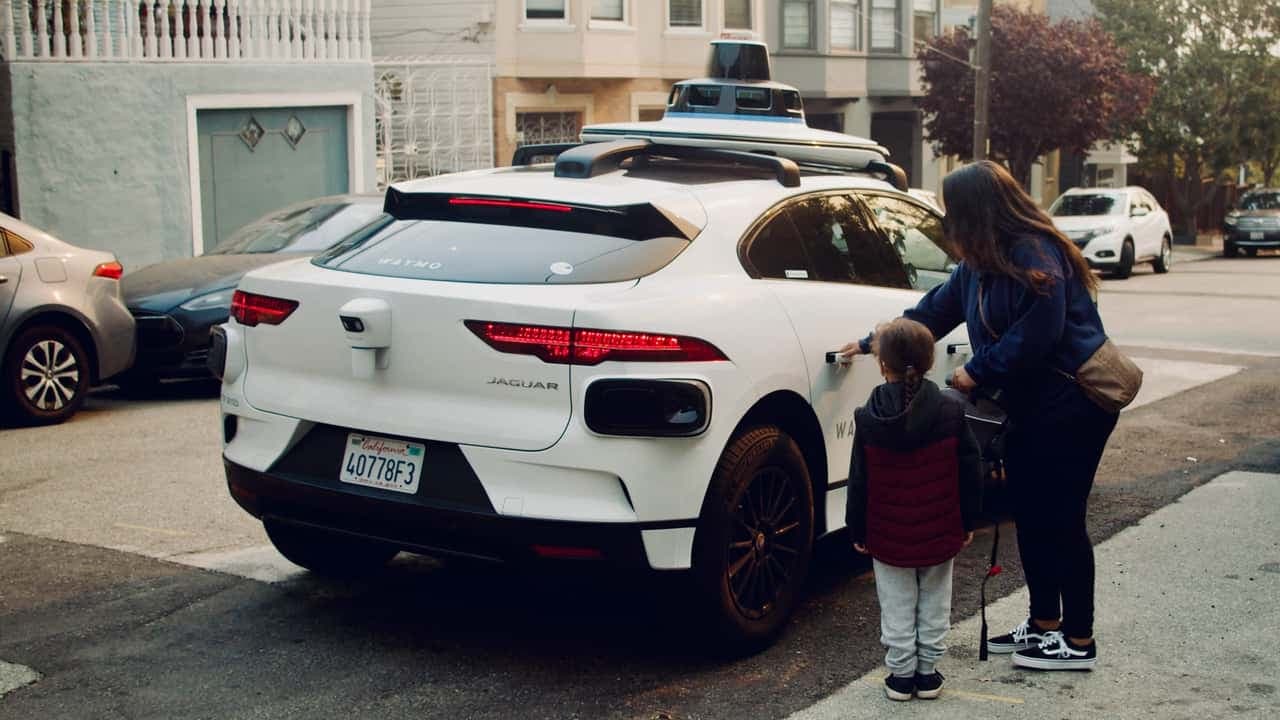
The recall impacts approximately 4,000 Waymo vehicles currently in operation across its service areas, which include cities such as San Francisco, Los Angeles, Phoenix, and Austin. These are the fully driverless Waymo One robotaxis that operate without any human safety driver behind the wheel — making software integrity absolutely critical to safe operation.
Unlike a traditional vehicle recall that might require owners to bring their cars into a dealership for physical repairs, Waymo is addressing the issue through an over-the-air (OTA) software update. This means the fix can be pushed remotely to affected vehicles without requiring them to be taken out of service for an extended period. Waymo has stated that the software patch corrects the system's behavior when approaching and detecting freeway construction zones.
The Broader Safety Debate Around Autonomous Vehicles
This recall arrives at a pivotal moment for the autonomous vehicle industry. Companies like Waymo, Cruise, Tesla, and others are racing to expand their fleets and geographic footprints, while regulators and the public continue to ask hard questions about how safe these vehicles truly are. The Waymo recall adds fresh fuel to an already spirited debate.
Proponents of self-driving technology often argue that autonomous vehicles are statistically safer than human drivers, pointing to data showing that human error is responsible for the overwhelming majority of traffic accidents. However, critics contend that the edge cases — the unusual, unpredictable scenarios that fall outside a vehicle's training data — remain a persistent and underappreciated risk. Construction zones are a perfect example of exactly this kind of edge case.
Regulatory bodies like NHTSA have been stepping up their oversight of autonomous vehicle companies in recent years. The agency has opened multiple investigations into self-driving and driver-assistance systems, and the Waymo recall is likely to strengthen calls for more robust pre-deployment testing requirements and mandatory incident reporting standards.
What This Means for Waymo's Reputation and Expansion Plans
Waymo has worked hard to build a reputation as the most safety-conscious player in the autonomous vehicle space. The company has logged tens of millions of driverless miles and has been methodical in how it expands to new markets. A recall of this scale, while manageable from a technical standpoint thanks to OTA updates, could still have reputational and regulatory consequences.
Public trust is among the most valuable assets any autonomous vehicle company possesses. Riders must feel confident that a driverless car will make sound decisions in every environment it encounters. Every recall, every incident, and every software patch that makes headlines chips away at that confidence — even when the company responds swiftly and responsibly, as Waymo appears to have done in this case.
Waymo's Response and the Road Ahead
Waymo has moved quickly to address the problem, cooperating with NHTSA and issuing the software fix to its fleet. The company has emphasized its commitment to transparency and safety, framing the recall as evidence that its internal monitoring systems are working as intended — catching potential issues before they result in serious harm.
Looking ahead, this recall will likely serve as a case study for the entire autonomous vehicle industry. It underscores the need for continuous software monitoring, rigorous real-world testing across diverse road conditions, and a proactive relationship with federal regulators. For Waymo, the challenge now is to complete the software rollout seamlessly, maintain rider confidence, and demonstrate that its systems are resilient enough to handle the full complexity of real-world driving — construction zones and all.
Key Takeaways
- Waymo is recalling nearly 4,000 autonomous vehicles due to a software flaw related to freeway construction zone detection.
- The fix is being delivered via an over-the-air software update, avoiding lengthy service disruptions.
- The recall affects Waymo One robotaxis operating in San Francisco, Los Angeles, Phoenix, and Austin.
- NHTSA flagged the issue, highlighting the growing role of federal regulators in autonomous vehicle oversight.
- The incident reignites the broader public debate about the safety and reliability of self-driving car technology.
- Waymo has responded transparently, but the recall may have longer-term implications for its expansion plans and public trust.