
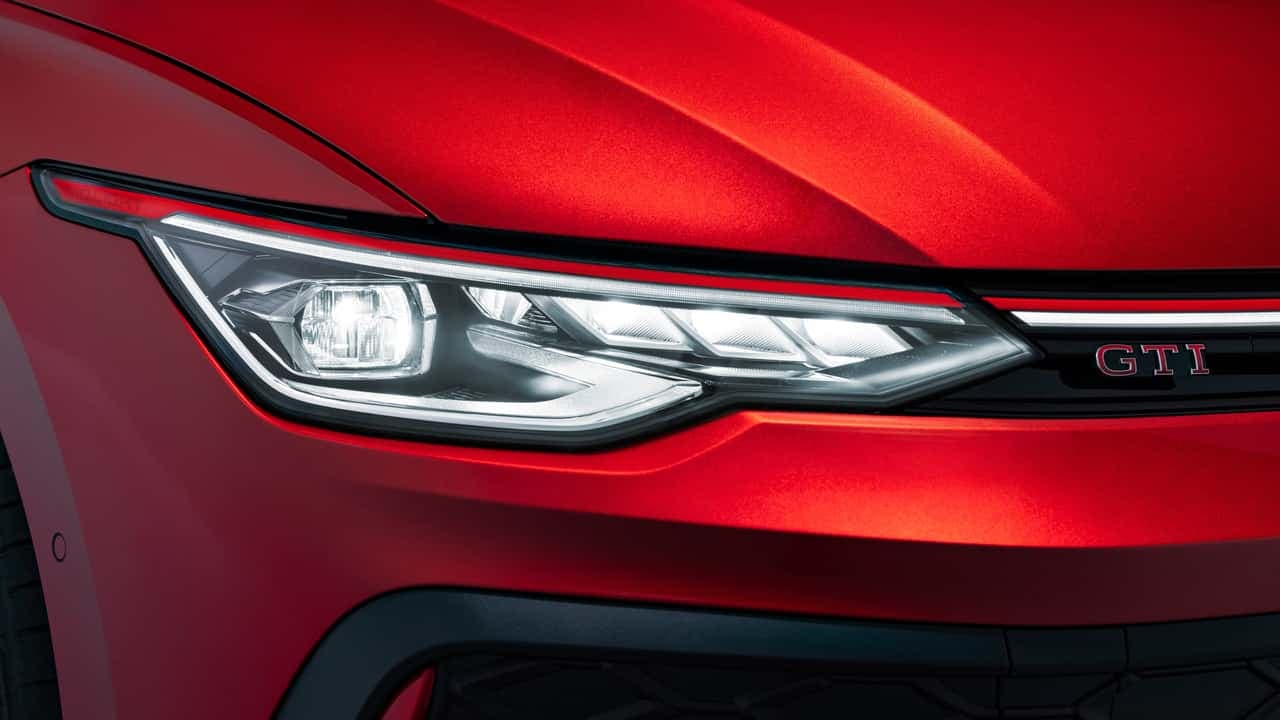
The Mystery Behind Volkswagen's Rare GTI and R Badges in America
If you've ever walked into a Volkswagen dealership in the United States and wondered why the shelves aren't stocked with GTI and R variants of every model in the lineup, you're not alone. Enthusiasts and casual shoppers alike have long questioned why Volkswagen seems to hold back some of its most exciting performance hardware from the American market. As it turns out, the answer has less to do with economics or logistics and more to do with something far more philosophical — sincerity.
Volkswagen has come out and explained its reasoning, and the core message is surprisingly straightforward: a vehicle cannot wear a GTI or R badge unless it genuinely earns it. In the eyes of VW's product leadership, slapping a performance badge on a car just to boost sales or generate buzz would be, in their own words, "insincere." That commitment to authenticity is shaping what Americans can and cannot buy at their local VW dealer.
What Do the GTI and R Badges Actually Mean?
To understand why Volkswagen is so protective of these nameplates, it helps to understand what they represent historically and culturally within the brand.
The GTI badge, short for Grand Touring Injection, first appeared on the Golf GTI back in 1976. It was never meant to be a trim level — it was a statement of purpose. The original Golf GTI was a lightweight, front-wheel-drive hot hatch that redefined what an affordable performance car could be. It was sharp, fun, and genuinely fast for its era. Generations of drivers grew up revering that badge, and it carried serious weight in the automotive world.
The R designation, meanwhile, represents the upper echelon of Volkswagen's performance hierarchy. R models come with all-wheel drive via the brand's 4MOTION system, significantly more power than their GTI counterparts, and a suite of performance-tuned hardware that justifies their premium price tags. The Golf R, for example, competes directly with cars like the Honda Civic Type R and the Hyundai Elantra N — vehicles built from the ground up to be driver's machines.
Both badges carry decades of credibility. Volkswagen clearly does not want to dilute that credibility by applying these names carelessly.
Why Volkswagen Won't Badge Every Model as a GTI or R
Here is where the philosophy gets interesting. Volkswagen's explanation for the scarcity of GTI and R models in America centers on the idea that these designations must reflect genuine performance engineering — not marketing ambition. According to the brand, a vehicle that simply looks sporty or carries a few cosmetic upgrades does not qualify. The car must be fundamentally different in how it drives, how it handles, and how it performs.
This means that not every vehicle in Volkswagen's American lineup is a candidate for a GTI or R treatment, regardless of how popular such a variant might be in theory. The Tiguan, for example, is a strong seller in the United States, and a Tiguan GTI or Tiguan R would almost certainly generate significant customer interest. But unless Volkswagen engineers can build a version that truly lives up to those badges on a mechanical and dynamic level, the company is not willing to greenlight it.
That kind of restraint is increasingly rare in the modern automotive industry, where badge engineering and trim-level proliferation are common strategies used to extract additional revenue from existing platforms.
The American Market's Complicated Relationship With Performance VWs
There is also a market reality at play. American consumers, on the whole, have shown a strong preference for SUVs and trucks over performance-focused compact cars. The Golf GTI, despite being one of the most celebrated hot hatches in the world, has always been a niche product in the United States compared to its popularity in Europe.
Volkswagen has to weigh the cost of engineering and certifying a high-performance variant for the American market against the expected sales volume. When the audience for a vehicle is relatively small, the business case for investing in a genuinely engineered performance version becomes harder to justify — especially if the brand's own standards require that version to meet a very high bar.
This creates a challenging cycle. Enthusiasts want more GTI and R models, but the market conditions that would make those models financially viable are partly undermined by the dominance of SUVs in American buying habits.
What Volkswagen Is Doing Right
Despite these constraints, Volkswagen deserves credit for maintaining integrity around its performance lineup. The current Golf GTI and Golf R remain genuinely excellent driver's cars that justify their badges through measurable performance, driver engagement, and engineering investment. They are not watered-down versions of a concept — they are the concept, delivered faithfully.
- The Golf GTI delivers a turbocharged 2.0-liter engine, a sport-tuned suspension, and an available six-speed manual transmission that keeps purists happy.
- The Golf R takes things further with over 300 horsepower, Volkswagen's 4MOTION all-wheel drive, and a Drift mode that signals just how seriously the engineers took the brief.
- Both vehicles offer a level of everyday usability that makes them practical daily drivers, not just weekend toys.
What This Means for VW Buyers in the United States
For American consumers, Volkswagen's philosophy is a double-edged sword. On one hand, it means the GTI and R badges on the cars you can buy are the real deal — they represent genuine performance engineering and not marketing fluff. On the other hand, it means the lineup of options is narrower than many enthusiasts would prefer.
If you are shopping for a performance Volkswagen in America, the Golf GTI and Golf R are your primary options, and both are worth serious consideration. They punch above their weight class and deliver an experience that holds up against far more expensive competition.
Volkswagen's insistence on sincerity may limit the number of badges it puts on American roads, but it protects something equally important — the trust of the people who buy them. In an era of rampant badge inflation across the industry, that kind of discipline is worth recognizing, even if it occasionally leaves enthusiasts wishing for more.