
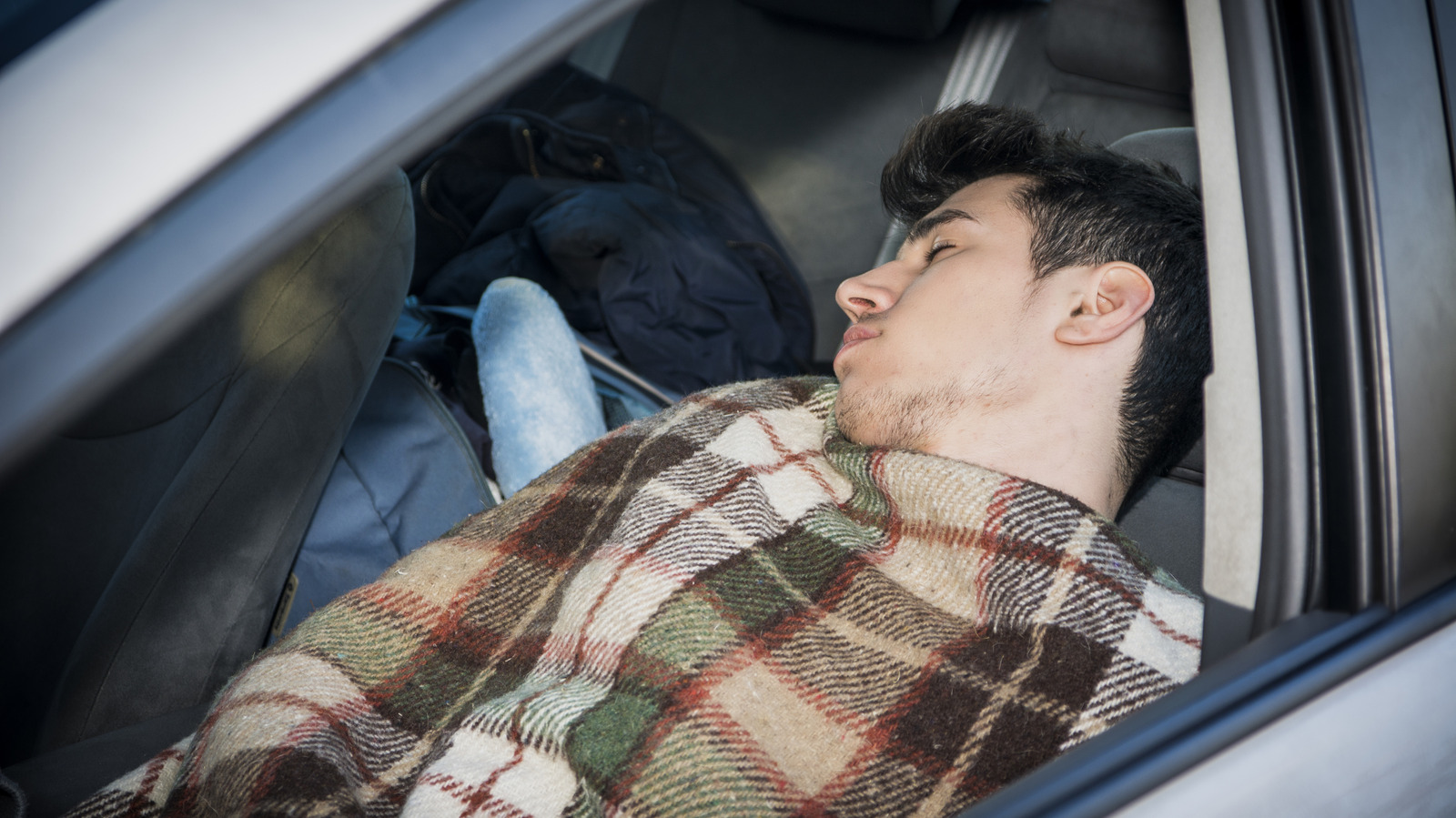
The Worst Cars to Sleep In: Real Stories From Real Drivers
Whether you've ever reclined the front seat of a compact hatchback on a long road trip or curled up in the backseat as a kid during a family vacation, you already know that not all cars are created equal when it comes to comfort. Some vehicles are roomy, flat, and surprisingly livable. Others are instruments of pure, back-wrecking misery the moment you try to close your eyes. When Jalopnik asked its readers to share the worst cars they had ever slept in, the responses came flooding in — covering everything from spontaneous camping overnights to childhood naps that left permanent emotional scars. Here is what they found, and what it can teach you about choosing a vehicle if sleep-friendly versatility matters to you.
Why Sleeping in Your Car Is More Common Than You Think
Car sleeping is not just a survival move for the broke or the adventurous. Millions of people sleep in their vehicles every year for a wide variety of reasons. Road trippers pull over to catch a few hours rather than pay for a motel. Festival-goers camp in their cars to stay close to the action. Outdoor enthusiasts use their vehicles as mobile basecamp before an early morning hike or ski session. Even commuters occasionally need to nap during a long lunch break or before a late shift.
Given how common the experience is, it is genuinely surprising how few mainstream car manufacturers seem to design with sleepers in mind. The result is a long list of vehicles that feel perfectly fine for a 30-minute drive but become torture chambers the moment you try to spend a night in them.
What Makes a Car Truly Terrible to Sleep In?
Before diving into the specific offenders, it helps to understand what separates a tolerable car-sleeping experience from an absolutely dreadful one. Readers pointed to several recurring pain points when describing their worst nights on wheels.
- Lack of interior length: If you cannot straighten your legs, you are not sleeping — you are suffering. Small city cars and two-door coupes are the biggest culprits here, offering almost no way to lie flat regardless of how creatively you arrange yourself.
- Bucket seats that refuse to recline fully: Many performance-oriented cars have aggressively bolstered sport seats designed to hold you in place during cornering. That same feature becomes a nightmare when you are trying to find a neutral sleeping position at a rest stop.
- Transmission tunnels and center consoles: A large, raised center console is fine for storing your coffee and sunglasses. It is a mountainous obstacle when you are trying to slide between the front seats into the back, or when it forces an awkward twist in your spine all night.
- Poor ventilation: A car that traps heat or gets unbearably cold without the engine running turns a manageable situation into a sleepless, sweaty or shivering ordeal.
- Noise and vibration: Thin door seals, road noise, and suspension that transfers every pebble on the tarmac directly into your shoulder blades all contribute to a poor overnight experience.
The Usual Suspects: Cars Readers Called Out Most Often
Responses spanned decades and continents, but certain categories of vehicle came up again and again as the absolute worst for sleeping. Two-door sports coupes ranked near the top of nearly every list. The cramped rear quarters, steeply raked rooflines, and aggressive seating angles combine to make rest virtually impossible. Readers who had attempted overnights in vehicles like small European roadsters or classic American muscle cars described mornings filled with neck pain, lower back agony, and a profound sense of regret.
Subcompact hatchbacks were another frequent answer, particularly older economy models. While their folding rear seats technically create a flat load floor, the distance from the tailgate to the back of the front seats is often just short enough to be genuinely cruel to anyone taller than five and a half feet. More than a few readers recounted waking up with their knees jammed against the front headrests.
Classic cars from the 1950s and 1960s — while beautiful and iconic — also featured prominently. Bench seats with minimal padding and no recline, combined with dashboards that jut aggressively into the interior space, make vintage vehicles a genuinely uncomfortable place to spend a night, nostalgic appeal notwithstanding.
The Childhood Backseat Experience: A Universal Trauma
A surprisingly large portion of reader responses were not about adult camping trips at all — they were about being a child in the backseat during long family drives. Parents of previous generations were not above simply driving through the night and letting the kids figure out how to sleep across a cramped rear bench, often without pillows, sometimes without seatbelts, wedged between siblings and grocery bags. Several readers mentioned specific sedans and station wagons from the 1970s and 1980s where the rear seat cushions were approximately as comfortable as a wooden park bench upholstered in vinyl.
What to Look for If Car Sleeping Matters to You
If you camp, road trip, or simply want the flexibility to sleep in your vehicle, there are a few things worth prioritizing when choosing your next car or truck. Vehicles with fully flat-folding rear seats and a long, unobstructed load floor are your best friends. Midsize SUVs, crossovers with wide cargo areas, and full-size trucks with bed sleeping setups consistently rank among the most livable options for overnight stays.
Roof height matters too. A vehicle with enough vertical clearance to at least sit upright comfortably makes a significant difference in overall livability. And if you do any car camping in warm climates, look into models with ventilation options or invest in a good quality window vent to keep airflow moving without compromising security.
Final Thoughts
The worst cars to sleep in are not just a matter of mild inconvenience — they are a reminder that vehicle design choices have real-world consequences beyond the daily commute. Whether you are a seasoned van lifer, an occasional festival camper, or simply someone who remembers being squeezed into a backseat as a child on a cross-country road trip, the experience of sleeping poorly in a car is universal. Knowing which vehicles to avoid — and which features to prioritize — can make the difference between waking up refreshed and ready for adventure, and waking up with a crick in your neck that lasts three days.