
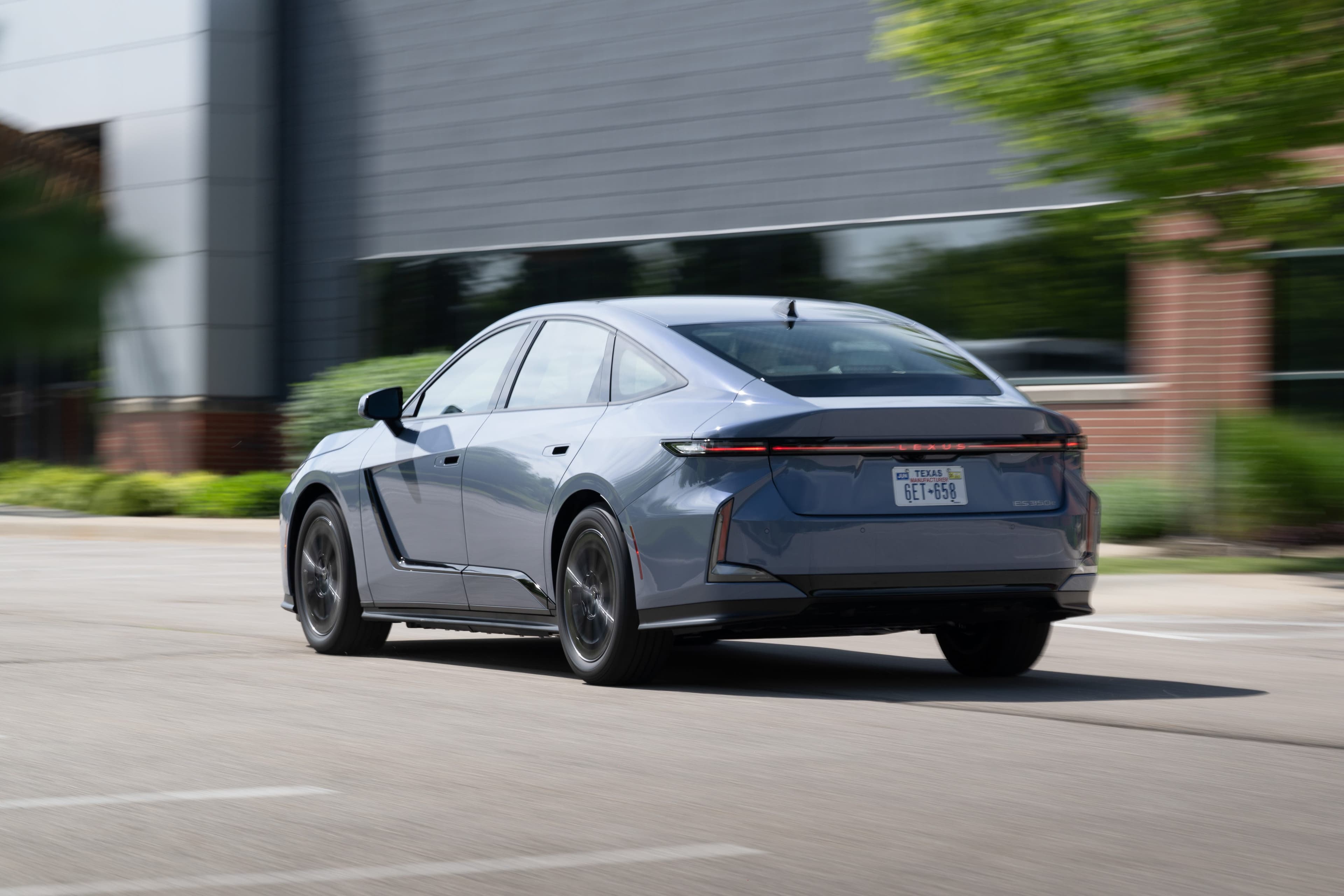
The 2026 Lexus ES Goes Electric — and Steps Into Bigger Shoes
Change is rarely easy, especially in the luxury automotive world where tradition and heritage carry enormous weight. But Lexus is making a bold move with the 2026 ES, transforming its most popular sedan into a fully electric vehicle while simultaneously asking it to shoulder responsibilities once reserved for the brand's storied LS flagship. It's a tall order — and by all early accounts, the new electric ES is rising to meet it in ways that are both surprising and genuinely impressive.
For decades, the Lexus LS stood as the undisputed crown jewel of the brand's sedan lineup. It was the car that put Lexus on the map back in 1989, the vehicle that embarrassed European luxury giants and rewrote expectations for build quality and refinement. Its departure from the lineup marks the end of an era. The question now is whether the electrified ES can carry that torch — and whether buyers will accept it in that elevated role.
Why the Lexus Sedan Lineup Had to Change
The broader automotive industry has been undergoing a seismic shift toward electrification, and luxury brands have not been immune to the pressures of changing consumer demand, tightening emissions regulations, and the need to future-proof their portfolios. Lexus, like its parent company Toyota, has been deliberate and methodical in its approach to electric vehicles — perhaps more cautious than some rivals — but the 2026 ES signals that the brand is now ready to commit in earnest.
The shrinking of the Lexus sedan lineup isn't an accident or a sign of retreat. It reflects a strategic consolidation, one designed to focus resources and brand identity around vehicles that can genuinely compete in today's market. By elevating the ES to fill the space left by the LS, Lexus is making a calculated bet: that a well-executed electric sedan can deliver the refinement, presence, and desirability that luxury buyers expect — without requiring a flagship-level price tag to do it.
What Makes the 2026 Lexus ES Electric Stand Out
The transition to an all-electric powertrain isn't just a mechanical swap — it fundamentally changes the character of the car. Electric motors deliver instant torque, near-silent operation, and an entirely different kind of driving sensation compared to the smooth but conventional powertrains the ES has offered in the past. For a brand that has long prioritized refinement and quietness above all else, electrification is in many ways a natural evolution.
The 2026 ES is expected to offer a driving experience defined by effortless acceleration, a whisper-quiet cabin, and the kind of composed, isolated ride quality that Lexus has perfected over generations. The absence of engine noise — already something Lexus engineers worked tirelessly to minimize in previous models — is now complete, replaced by nothing but the faint hum of electric motors and the sound of wind and road, both of which Lexus has engineered to near-imperceptible levels.
Beyond the powertrain, the new ES is anticipated to feature Lexus's latest suite of technology and driver assistance systems, a redesigned interior that places a premium on space and material quality, and a visual identity that signals its flagship aspirations without mimicking the LS's traditional formality.
The Price Point That Changes the Conversation
Perhaps the most compelling aspect of the 2026 Lexus ES is what it costs — or rather, what it doesn't cost. One of the persistent criticisms of luxury electric vehicles has been their tendency to occupy price stratospheres that put them out of reach for all but the wealthiest buyers. Tesla's Model S, the BMW i7, and the Mercedes-Benz EQS all inhabit a pricing tier that, while justifiable, limits their audience considerably.
The 2026 ES bucks that trend. By maintaining a price point that is competitive with — and in some cases lower than — comparable non-electric luxury sedans, Lexus is signaling that it wants the electrified ES to be genuinely accessible. This is a significant strategic decision. It means the ES can attract buyers who might otherwise have been priced out of EV luxury, and it allows Lexus to build volume in a segment where every sale represents an opportunity to establish brand loyalty for the electric era.
Playing a New Role Without Losing Its Identity
Taking over from the LS is about more than just moving up a price tier or adding a badge of prestige. It means the ES must now represent everything Lexus stands for at its highest level. That includes:
- Exceptional build quality and material craftsmanship that invites close inspection and rewards it
- A ride and noise profile that sets the standard in the segment rather than merely meeting it
- Technology that feels intuitive and integrated rather than bolted on as a selling point
- A visual and spatial presence that communicates seriousness and substance to onlookers and occupants alike
These are the standards the LS set, and they are the standards the ES must now maintain — on a new platform, with a new powertrain, at a lower price, and for a new generation of luxury buyers who may never have owned a gas-powered car.
The Bigger Picture for Lexus and Electric Luxury
The 2026 Lexus ES electric isn't just a new model — it's a statement about where Lexus sees itself in the coming decade. The brand has always competed by doing things its own way, taking time to get things right rather than rushing to market. The fact that the electric ES is being positioned as a true flagship-level vehicle rather than a compliance car or a niche offering suggests Lexus genuinely believes its time has come.
For luxury sedan buyers evaluating their next purchase, the 2026 ES presents a compelling and timely argument: that going electric doesn't mean compromising on refinement, and that a new generation of Lexus luxury is ready to take the wheel.