
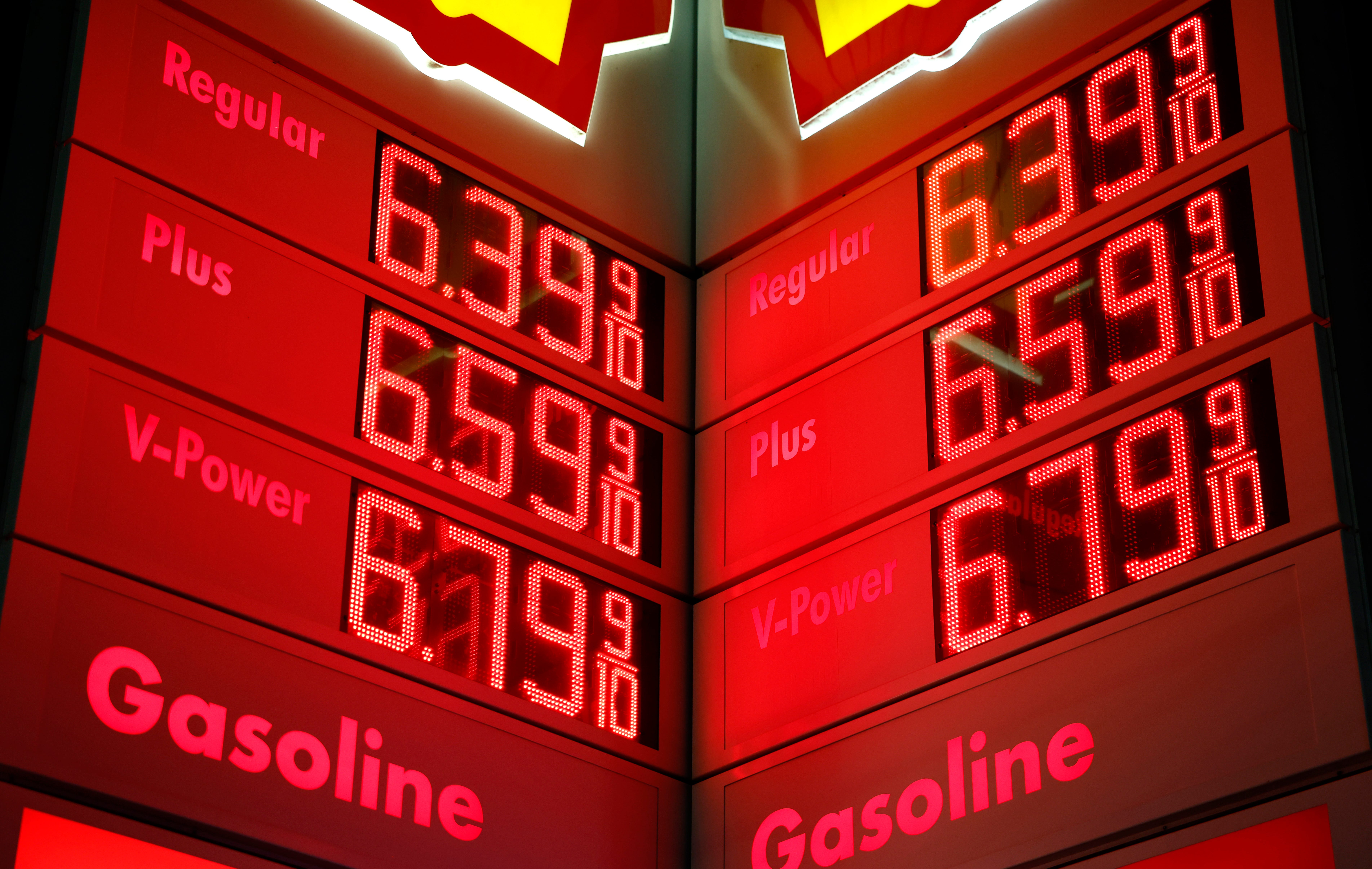
AI in the Crosshairs: California's Class-Action Lawsuit Against Algorithmic Gas Pricing
Artificial intelligence has reshaped industries from healthcare to finance, but its growing role in everyday consumer pricing is now drawing serious legal scrutiny. A new class-action lawsuit filed in California is pointing the finger directly at AI-powered pricing technology, alleging that it has been used to artificially inflate gas prices across the state. At the center of the legal battle is Kalibrate, a company that provides AI-driven pricing software to gas station operators — and the lawsuit claims this arrangement crosses the line into illegal antitrust territory.
For California drivers already battered by some of the highest fuel costs in the nation, the case raises urgent questions about how much of what they pay at the pump is the result of market forces — and how much may be the result of coordinated, algorithm-driven price manipulation.
What the Lawsuit Actually Claims
The class-action suit alleges that Kalibrate and the gas station operators who use its software are engaged in anti-competitive behavior that violates antitrust laws in California. The core accusation is that by using a shared AI pricing platform, competing gas stations are effectively coordinating their prices without ever sitting down in the same room — a practice that, if proven, could constitute illegal price-fixing under both state and federal competition law.
Traditionally, antitrust law targets explicit agreements between competitors to fix prices. But the rise of algorithmic pricing tools has created a legal gray area. When multiple competing businesses all rely on the same software to set their prices, and that software is designed to optimize revenue across its entire user base, critics argue the end result is functionally the same as collusion — even if no human ever directly conspired with another.
The plaintiffs in the California case appear to be making precisely this argument: that Kalibrate's platform effectively acts as a silent coordinator among otherwise competing fuel retailers, nudging prices upward in ways that harm consumers.
Who Is Kalibrate?
Kalibrate is a data analytics and pricing optimization company that markets its technology specifically to fuel retailers and convenience store operators. Its AI-powered platform analyzes enormous volumes of data — including competitor pricing, local demand signals, traffic patterns, and historical sales — to recommend or automatically set fuel prices in real time.
The company positions its software as a competitive advantage for individual gas station owners, helping them maximize margins and respond to market shifts more quickly than a human manager could. But the lawsuit argues that when dozens or hundreds of competing stations in the same market all use the same optimization engine, the "competition" between them becomes largely illusory.
The Broader Trend: Algorithmic Pricing Under Legal Fire
The California gas pricing lawsuit does not exist in a vacuum. It is part of a growing wave of legal and regulatory challenges targeting the use of algorithmic pricing tools across multiple industries.
- In the rental housing market, software company RealPage has faced multiple class-action lawsuits and a Department of Justice investigation over allegations that its revenue management platform enabled landlords to coordinate rent increases across major U.S. cities.
- Airlines and hotel chains have also faced scrutiny over their use of dynamic pricing algorithms, with consumer advocates arguing that such tools enable price synchronization that would otherwise be illegal if achieved through direct communication.
- The Federal Trade Commission has signaled that it considers algorithmic price coordination a legitimate antitrust concern, even in the absence of traditional evidence of explicit conspiracy.
Legal scholars have begun referring to this phenomenon as "tacit collusion by algorithm" — a scenario in which competing firms, without ever communicating directly, use shared or similarly designed software tools to reach pricing outcomes that mirror what a cartel would produce. Courts across the country are only beginning to grapple with how existing antitrust frameworks apply to this new reality.
What This Means for California Consumers
California has long had some of the most expensive gasoline in the United States, a reality driven by a combination of state fuel taxes, environmental regulations, a largely isolated fuel supply chain, and refinery constraints. But if the lawsuit's allegations hold up, another factor may have been quietly adding to drivers' pain at the pump: an AI system quietly nudging prices higher across a network of participating stations.
Should the plaintiffs succeed, the case could result in financial damages distributed to affected California consumers, as well as injunctive relief that could restrict or ban the use of such coordinated pricing platforms in the state's fuel market. More broadly, a ruling against Kalibrate could send shockwaves through the algorithmic pricing industry far beyond the gas station sector.
The Legal Road Ahead
Class-action antitrust cases are notoriously complex and slow-moving, and Kalibrate has not been found liable for any wrongdoing at this stage. The company will almost certainly argue that its software merely provides data-driven recommendations to independent business owners, each of whom makes their own autonomous pricing decisions. That defense has worked in some prior algorithmic pricing cases, though legal momentum appears to be shifting as courts become more familiar with how these platforms actually operate in practice.
What is clear is that the California lawsuit represents a pivotal moment in the ongoing reckoning with AI's role in consumer markets. As artificial intelligence becomes more deeply embedded in the pricing decisions that govern what people pay for everyday necessities — fuel, housing, groceries, and more — the question of where helpful optimization ends and illegal coordination begins is one that regulators, courts, and the public will be wrestling with for years to come.
For now, California drivers watching the numbers tick upward at the pump have one more reason to wonder exactly who — or what — is setting the price on the sign.