
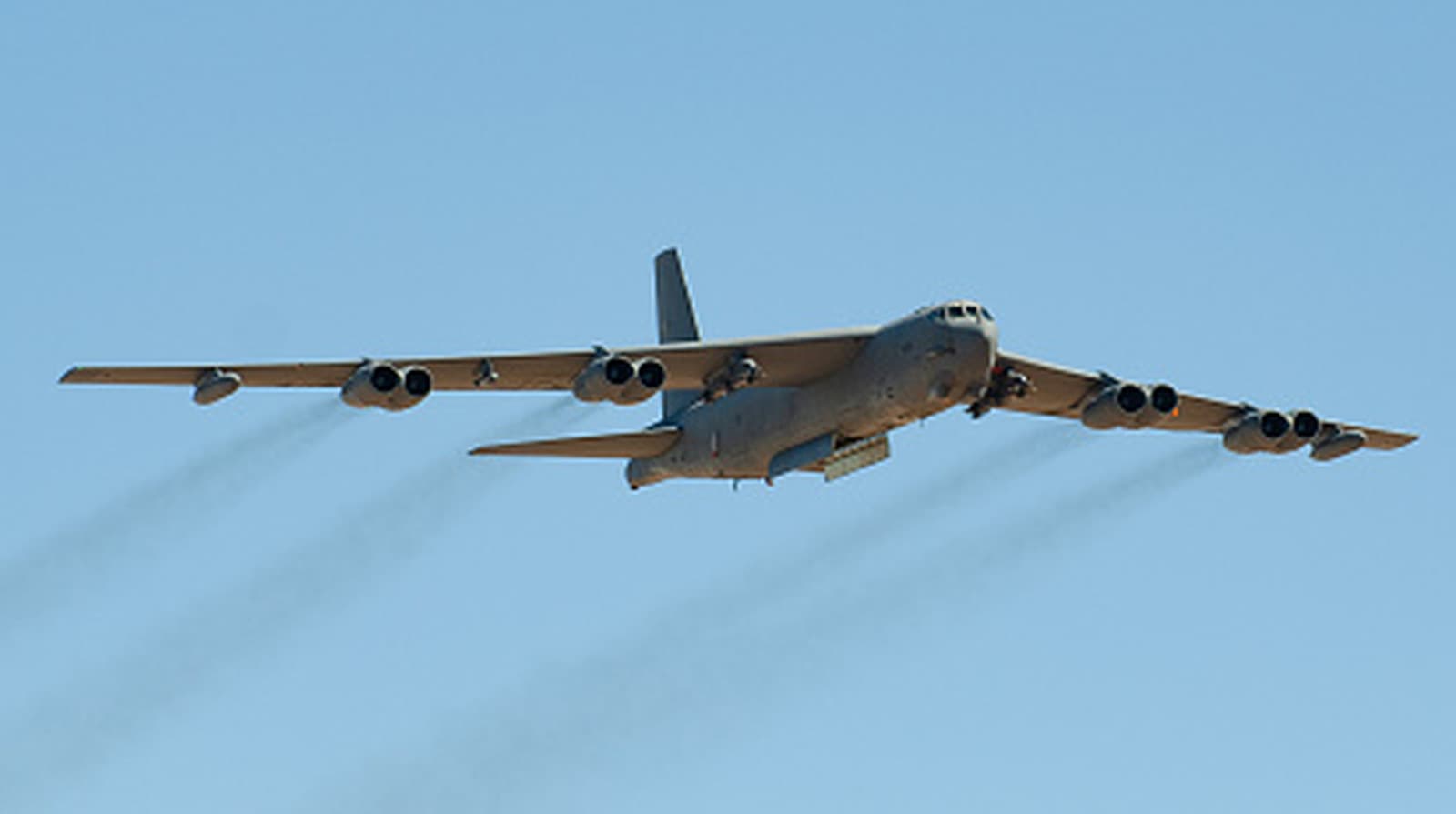
B-52 Bomber Crash at Edwards Air Force Base Kills 8
A catastrophic crash involving a B-52 Stratofortress bomber at Edwards Air Force Base has shocked the United States military community and the nation at large, claiming the lives of eight people aboard the aircraft. The tragedy has reignited long-standing debates about aircraft safety, crew welfare, and the US Air Force's ambitious plan to keep the iconic B-52 in active service through the year 2050. As investigators work to determine the cause of the crash, the incident casts a somber shadow over one of the most storied aircraft in American military aviation history.
What We Know About the Crash
The crash occurred at Edwards Air Force Base, one of the most prominent and historically significant military installations in the United States, located in the high desert of Southern California. Edwards AFB has long served as the US Air Force's premier flight test center, where experimental aircraft and cutting-edge aviation technology are routinely evaluated. The loss of a B-52 at such a facility — home to some of the most skilled aviators and technicians in the world — underscores just how unforgiving high-performance military aviation can be, even under controlled and well-monitored conditions.
Eight crew members were killed in the incident, a devastating toll that highlights the inherent dangers faced by military aviators every time they take to the skies. The Air Force has launched a formal investigation to determine the sequence of events that led to the crash, including potential mechanical failure, human error, weather conditions, or a combination of factors. Official statements have expressed deep condolences to the families of those lost, and the service has pledged full transparency as the investigation unfolds.
A Brief History of the B-52 Stratofortress
To understand the full weight of this tragedy, it helps to appreciate just how integral the B-52 Stratofortress is to American military power and identity. First introduced into service in 1955, the B-52 was developed by Boeing as a long-range, subsonic, jet-powered strategic bomber capable of delivering both conventional and nuclear payloads deep into enemy territory. With a wingspan of approximately 185 feet and the ability to carry up to 70,000 pounds of weapons, the aircraft was an engineering marvel of its era.
Decades later, the B-52 remains one of the most versatile and reliable heavy bombers in any air force on the planet. It has been deployed in virtually every major US military conflict since the Vietnam War, including operations in the Gulf War, Afghanistan, and Iraq. Its longevity is a testament to continuous modernization efforts that have kept the airframe relevant in an era of stealth bombers and hypersonic missiles.
The USAF's Plan to Keep the B-52 Flying Until 2050
Despite being nearly 70 years old in airframe design, the US Air Force has committed to maintaining the B-52 as a frontline asset through at least 2050. This decision reflects both the enormous cost of developing and procuring entirely new aircraft platforms and the B-52's proven adaptability to modern warfare requirements.
Key upgrades planned or already underway include:
- New Commercial Engines: The USAF has awarded a contract to Rolls-Royce to replace the B-52's aging TF33 engines with modern F130 commercial turbofan engines, dramatically improving fuel efficiency, range, and reliability.
- Upgraded Avionics: New radar systems, communications suites, and navigation equipment are being integrated to allow the B-52 to operate effectively in modern, contested airspace environments.
- Enhanced Weapons Compatibility: The bomber is being modified to carry the latest generation of precision-guided munitions, cruise missiles, and potentially hypersonic weapons, ensuring it remains a credible strategic deterrent.
- Cockpit Modernization: Internal upgrades to the flight deck aim to reduce crew workload and improve situational awareness, bringing the aircraft's human-machine interface closer to 21st-century standards.
These investments amount to billions of dollars and reflect an enduring institutional confidence in the B-52's structural integrity and operational value. However, critics argue that aging airframes — no matter how well maintained — carry compounding risks that newer platforms would not, a concern that this latest crash will almost certainly amplify in congressional hearings and defense reviews.
Safety Concerns and the Human Cost
The death of eight airmen in this crash is a stark reminder that military aviation demands an extraordinary price. The B-52 has not been immune to accidents throughout its history. Over the decades, numerous crashes and incidents have claimed the lives of crew members, with causes ranging from engine failure and structural fatigue to mishaps during training exercises and weapons testing.
Safety advocacy groups and some military analysts have long argued that more robust investment in safety systems, crew training resources, and accelerated airframe retirement timelines could reduce the frequency and severity of such tragedies. The loss of experienced aircrew is not only a human tragedy but also an operational setback, as training skilled B-52 operators takes years and significant resources.
What Happens Next
In the immediate aftermath of the crash, the Air Force is expected to conduct a thorough safety review of its B-52 fleet, potentially grounding certain aircraft pending inspection. The findings of the accident investigation board will likely influence future maintenance protocols, operational procedures, and possibly the pace of planned upgrades. Congress may also call for hearings to assess whether the long-term service extension plan for the B-52 adequately accounts for the risks inherent in operating aircraft of such advanced age.
For the families and colleagues of the eight crew members who lost their lives, no policy review or technical finding can replace what has been lost. Their sacrifice is a solemn reminder of the costs borne by those who serve in uniform, and the nation mourns alongside them.
Conclusion
The B-52 bomber crash at Edwards Air Force Base is a tragedy that reverberates far beyond the boundaries of a single military installation. It forces a reckoning with the realities of operating aging but mission-critical aircraft, the irreplaceable value of every service member's life, and the long road ahead as the US Air Force works to honor both its fallen and its commitment to keeping the Stratofortress flying through 2050 and beyond.