
Carvana Is No Longer Just a Used-Car Company
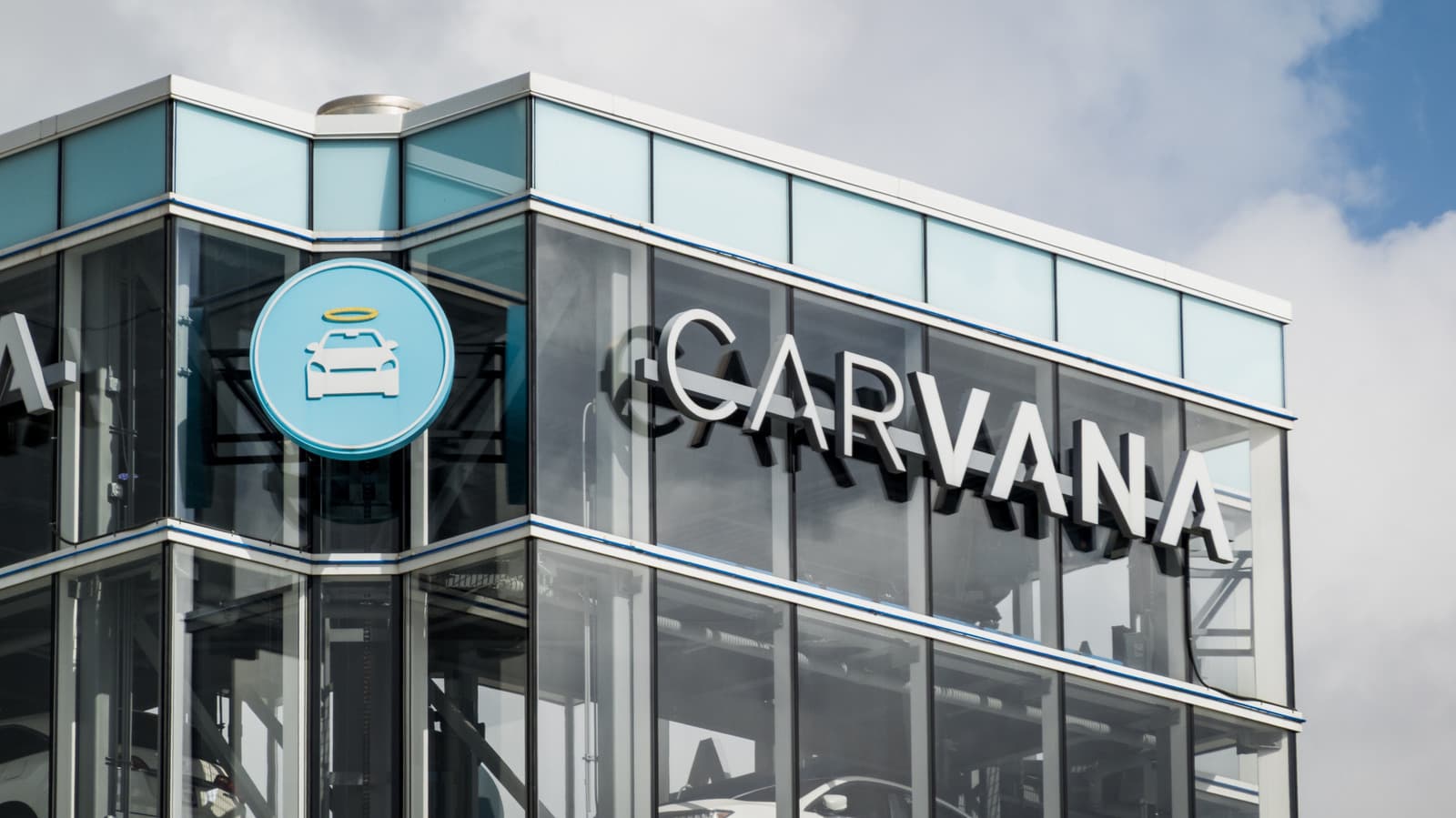
For years, Carvana built its brand around a simple, memorable concept: towering glass vending machines stocked with used vehicles, and a fully online buying experience that let consumers skip the traditional dealership altogether. It was a disruptive idea that resonated with millions of car shoppers frustrated by high-pressure sales tactics and hours spent at a lot. But the company has quietly made a move that signals a dramatic evolution in its business model — Carvana has purchased several Stellantis franchised dealerships and has officially entered the new-car market.
This development, while not loudly announced, represents one of the most significant strategic pivots in the automotive retail industry in recent memory. A company once defined entirely by pre-owned vehicles is now competing directly with traditional new-car dealers — and doing so using the same brands it once only sold secondhand.
What We Know About the Stellantis Dealership Acquisitions
Carvana's move into franchised dealership territory involves the acquisition of multiple Stellantis-brand locations. Stellantis, the automotive giant behind brands such as Jeep, Dodge, Ram, Chrysler, and Fiat, operates one of the largest dealership networks in the United States. By acquiring franchises under this umbrella, Carvana gains the legal right to sell new vehicles directly to consumers under those brand names.
The acquisitions were carried out quietly, without a major press release or splashy marketing campaign. This low-profile approach is notable in itself — it suggests Carvana may be testing the new-car model carefully before making broader announcements or pursuing a larger rollout. However, the implications are anything but small. Entering the franchised dealership space is a significant operational and regulatory undertaking, and the fact that Carvana has already completed multiple acquisitions suggests this is a deliberate, long-term strategy rather than an experiment.
Why This Move Makes Strategic Sense for Carvana
Carvana's used-car business thrives on inventory sourcing, customer convenience, and digital-first transactions. New-car dealerships offer a natural extension of all three pillars. Here's why this expansion is a logical step for the company:
- Inventory pipeline: Franchised dealerships receive a steady flow of new vehicles directly from the manufacturer. This gives Carvana a more predictable and reliable inventory stream compared to the often volatile used-car sourcing market.
- Trade-in opportunities: When customers buy new cars, they frequently trade in their old ones. These trade-ins become used-car inventory — directly feeding Carvana's core business and reducing dependency on auctions and third-party sourcing.
- Revenue diversification: New-car sales, financing, warranties, and manufacturer incentive programs offer additional revenue streams that help stabilize Carvana's financial performance, which has faced scrutiny from investors in recent years.
- Brand credibility: Operating as a licensed franchised dealer adds a layer of institutional credibility and regulatory legitimacy that the used-car-only model doesn't necessarily provide.
How This Changes the Car-Buying Experience
Carvana has always positioned itself as the antidote to the traditional dealership. Its pitch to consumers has been built on transparency, convenience, and eliminating the stress of negotiating with salespeople in person. The question now is whether those same principles can be applied to the new-car buying process — and whether consumers will respond positively.
Buying a new car has historically involved a great deal of back-and-forth negotiation, manufacturer pricing structures, and financing conversations that can drag on for hours. If Carvana can bring its streamlined digital interface to the new-car experience, it could genuinely disrupt the way Americans purchase brand-new vehicles. The company's infrastructure — which includes home delivery, online financing tools, and its well-known no-haggle approach — could translate well to the new-car segment if implemented effectively.
On the other hand, franchise agreements come with strict manufacturer guidelines about how vehicles must be sold, advertised, and serviced. Carvana will need to operate within those boundaries, which could limit some of the flexibility that has defined its user experience in the used-car space.
What This Means for the Broader Auto Industry
Carvana's entry into new-car sales is a signal to the entire automotive retail ecosystem. Traditional dealership groups, which have long dominated the franchised space, now face competition not just from each other but from a tech-forward, digitally native company that has already demonstrated its ability to scale rapidly and win over younger car buyers.
For Stellantis specifically, partnering — even indirectly through acquisition — with a company like Carvana could help the automaker reach demographics it may struggle to attract through conventional dealership experiences. Stellantis has faced its own challenges in recent years, including declining market share in key segments and pressure to modernize its retail strategy.
Other automakers and large dealership groups will be watching closely. If Carvana's new-car pilot proves successful, expect more acquisitions to follow — and expect competitors to respond with their own digital-first initiatives.
What Car Shoppers Should Know Right Now
If you're in the market for a new Jeep, Ram, Dodge, or another Stellantis vehicle, it may now be possible to purchase one through Carvana depending on your location. The availability of new-car inventory through Carvana's platform is still limited and appears to be rolling out gradually, so not all shoppers will have immediate access.
As always, consumers should compare pricing across multiple sources — including traditional dealerships, manufacturer websites, and now Carvana — to ensure they're getting a competitive deal. The addition of another major player in the new-car retail space is ultimately good news for buyers, as increased competition historically puts downward pressure on prices and pushes all sellers to improve the customer experience.
The Bottom Line
Carvana's quiet acquisition of several Stellantis dealerships marks the beginning of a new chapter for one of the most recognizable names in automotive retail. What started as a bold reinvention of used-car buying is now evolving into a full-spectrum auto retail operation. Whether Carvana can replicate its disruptive success in the more regulated, manufacturer-controlled world of new-car sales remains to be seen — but one thing is clear: the company is no longer content to sit on the sidelines of the new-car market, and the industry will never look quite the same again.