
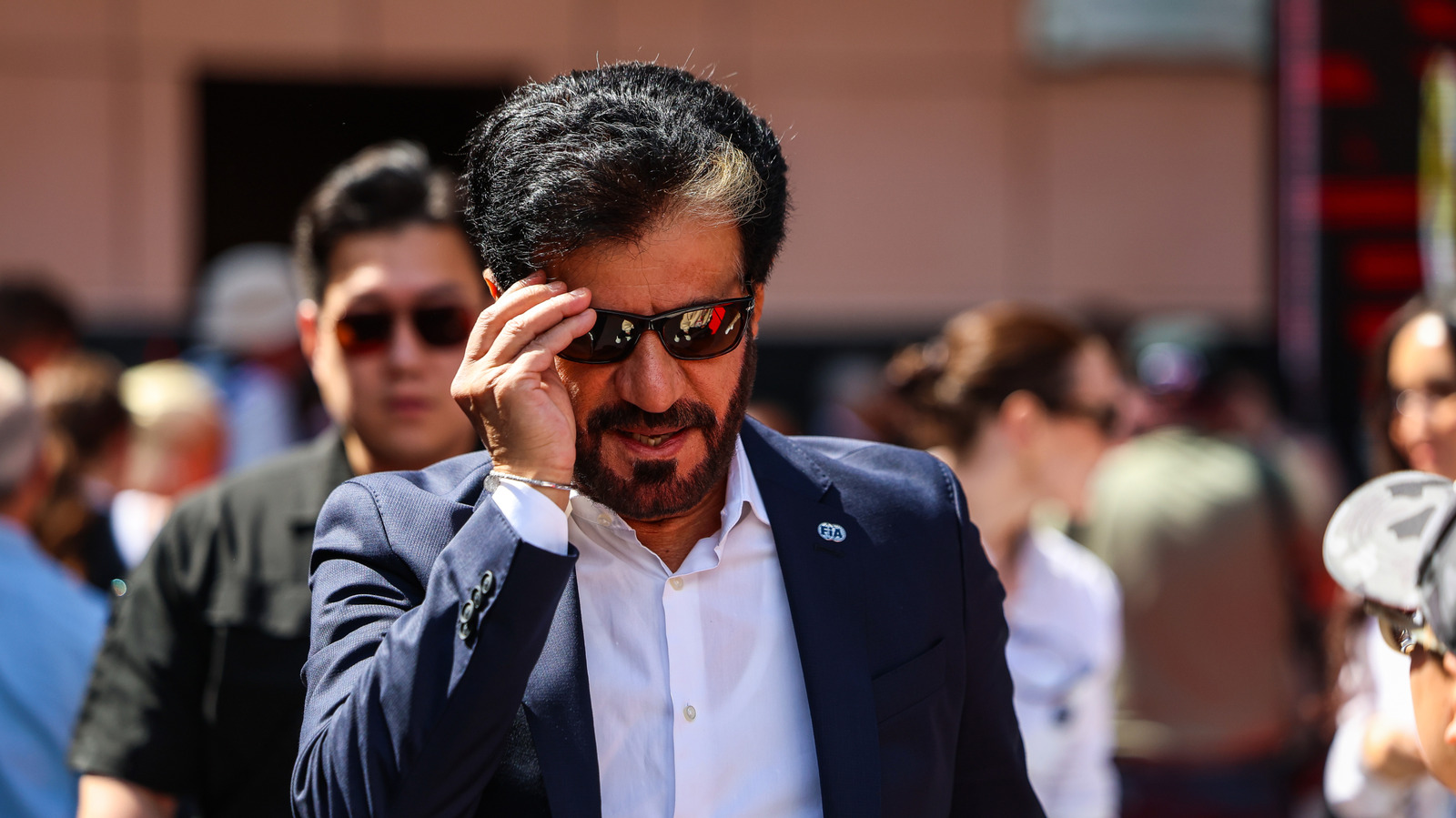
FIA Abolishes Presidential Term Limits in a Move That Raises Serious Governance Concerns
In a development that has sent shockwaves through the motorsport community, the Fédération Internationale de l'Automobile (FIA) has voted to remove presidential term limits from its statutes. The decision effectively clears the path for current FIA president Mohammed Ben Sulayem to remain at the helm of global motorsport governance indefinitely — potentially for the rest of his life. What makes the move even more troubling to critics and observers is the organization's apparent inability to provide a clear, reasonable justification for the change.
For a body that governs some of the most high-profile sporting competitions on the planet, including Formula 1, the World Rally Championship, and Formula E, this kind of structural overhaul raises profound questions about accountability, democratic oversight, and the long-term health of motorsport as a whole.
What Exactly Did the FIA Change?
Previously, the FIA's own statutes placed a cap on how long any individual could serve as president. Term limits exist in democratic institutions across the world for good reason: they prevent the concentration of power in a single person, ensure fresh leadership and perspectives enter the equation, and protect organizations from the kind of entrenchment that can lead to institutional stagnation or abuse of authority.
By abolishing those limits, the FIA has removed one of the key structural safeguards against unchecked presidential power. The change was voted through at a General Assembly, meaning it required approval from FIA member clubs — but critics have pointed out that the process lacked transparency and that the rationale offered for the amendment was vague at best.
The FIA has not publicly articulated a compelling case for why term limits needed to go. For an organization that regularly lectures teams, drivers, and national clubs on the importance of compliance and fair play, the silence is notably deafening.
Who Is Mohammed Ben Sulayem?
Mohammed Ben Sulayem is a former rally driver from the United Arab Emirates who was elected as FIA president in December 2021, succeeding Jean Todt. He ran on a platform promising reform, transparency, and a more inclusive approach to motorsport governance. His election was initially welcomed by many in the paddock as a sign of positive change after years of Todt's long tenure.
However, his presidency has not been without controversy. Ben Sulayem has been at the center of several high-profile disputes, including tense relations with Formula 1's commercial rights holder Liberty Media, clashes with drivers over the right to make political statements, and internal FIA investigations that raised questions about conduct within the organization. The removal of term limits, coming during his presidency, inevitably focuses attention on his own political longevity within the sport.
Why Term Limits Matter in Sports Governance
The importance of term limits in organizational governance — especially in international sports bodies — cannot be overstated. History has shown time and again what happens when leaders of major sporting institutions are allowed to serve without time-based accountability checks. The FIFA corruption scandals, the IOC's long history of internal controversy, and similar episodes in other governing bodies all share a common thread: unchecked power held for too long by too few people.
- Accountability: Term limits force leaders to remain accountable to their constituents because they know their time in office is finite.
- Renewal: They create natural opportunities for organizational renewal, allowing new ideas and leadership styles to emerge.
- Prevention of entrenchment: Long-serving leaders can build networks of loyalty that make it increasingly difficult to challenge or remove them, even through democratic means.
- Institutional trust: Organizations with term limits are generally perceived as more trustworthy and transparent by external stakeholders, sponsors, and the public.
By stripping these protections from its own constitution, the FIA is moving in the opposite direction of best governance practices, and doing so without the kind of open public debate that such a significant constitutional change deserves.
The Reaction From the Motorsport World
Unsurprisingly, the decision has drawn criticism from within and outside the racing community. Governance watchdogs and sports integrity advocates have flagged the change as a red flag. Several commentators have noted that the FIA's failure to adequately explain the rationale is itself a form of institutional behavior that warrants scrutiny.
Within Formula 1, where the relationship between the FIA and the commercial side of the sport has already been fraught with tension, the news adds another layer of uncertainty. Teams, sponsors, and broadcast partners all have a vested interest in the stability and credibility of the sport's governing body. A president who can theoretically serve without limit — and who has already demonstrated a willingness to reshape the rules to suit current circumstances — is a variable that the wider F1 ecosystem will be watching closely.
What Happens Next?
The immediate future for FIA governance depends partly on the next presidential election cycle. Ben Sulayem's current term runs until 2025, at which point he will be eligible for re-election — and now, thanks to the abolished term limits, potentially eligible for re-election again and again after that.
Whether meaningful opposition emerges within the FIA's membership clubs, or whether external pressure from the sport's commercial partners forces a reconsideration of the statute change, remains to be seen. What is clear is that the removal of term limits represents a significant and troubling shift in the balance of power within one of the world's most visible sports governing bodies.
A Defining Moment for Motorsport Governance
The FIA's decision to remove presidential term limits is more than a bureaucratic footnote — it is a defining moment for the credibility of motorsport governance on the world stage. Whether this move ultimately serves the sport or undermines it will depend on how Mohammed Ben Sulayem and the FIA choose to lead in the years ahead. But the absence of any coherent justification for the change is, in itself, a warning sign that deserves the full attention of everyone who cares about the future of racing.