
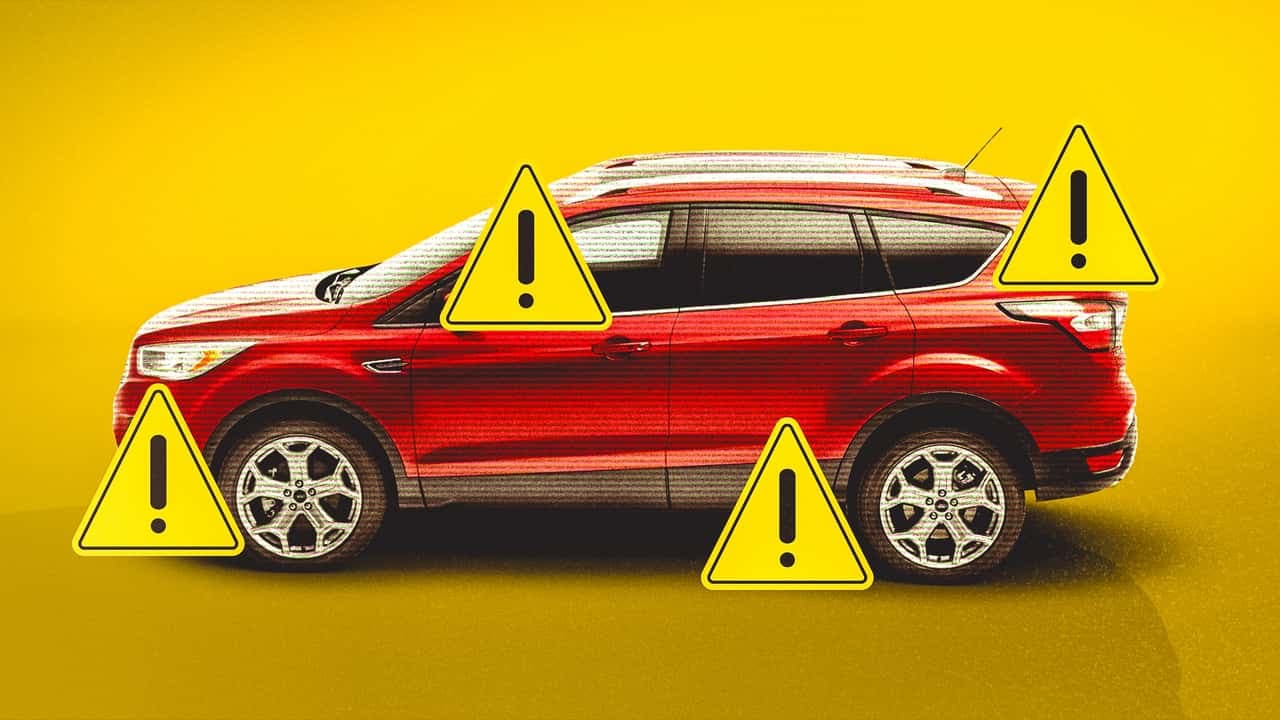
Ford Has Already Recalled 11.2 Million Cars in 2026 — And the Year Is Far From Over
If you own a Ford, there is a reasonable chance your vehicle has been touched by a recall notice this year. Ford Motor Company has already recalled a staggering 11.2 million vehicles in 2026, a figure that has put the automaker firmly in the spotlight for all the wrong reasons. With months still remaining in the calendar year, Ford appears to be on pace to surpass its own record — 153 recalls issued in a single year, set just last year in 2025. For consumers, safety advocates, and industry analysts alike, the numbers are impossible to ignore.
Breaking Down the Numbers: How Significant Is 11.2 Million?
To put 11.2 million recalled vehicles into perspective, consider that the entire U.S. auto market sells roughly 15 to 16 million new vehicles in a typical year. In other words, Ford has already recalled nearly as many cars as the total number of new vehicles sold across all brands combined in an average twelve-month period. That is not a statistic that gets lost in the fine print — it is a headline that demands attention from every Ford owner on the road today.
The sheer volume of recalls does not necessarily mean every recalled vehicle poses an immediate danger. Recalls can range from minor software glitches and labeling errors to serious mechanical defects that can lead to crashes or fires. However, the breadth of these numbers suggests that Ford's quality control processes are facing systemic pressures that go well beyond isolated incidents.
A Record Already on the Books: Ford's 2025 Recall History
Ford did not arrive at this moment by accident. The automaker already holds the all-time record for most recalls issued by a single manufacturer in a single year, having logged 153 separate recall actions in 2025. That record marked a dramatic escalation in regulatory scrutiny and internal quality challenges — and rather than serving as a cautionary ceiling, 2026's pace suggests Ford may be headed toward eclipsing even that milestone.
The National Highway Traffic Safety Administration (NHTSA), the federal agency responsible for overseeing vehicle safety in the United States, has been increasingly active in pushing automakers to act swiftly when defects are identified. Ford, given its enormous production volume and the complexity of its modern vehicle lineup, has been among the manufacturers most frequently in NHTSA's crosshairs.
Which Ford Models Are Most Likely to Be Affected?
Ford's lineup is vast, spanning everything from the best-selling F-Series pickup trucks to the Bronco, Explorer, Mustang, Escape, Edge, and its growing portfolio of electric vehicles like the F-150 Lightning and Mustang Mach-E. When a single automaker issues tens of millions of recall notices over a short period, virtually no corner of its lineup is immune.
Common issues that have historically driven Ford recalls include:
- Engine and powertrain defects — including issues with engine stalling, overheating, or unexpected power loss that can create hazardous driving conditions.
- Transmission problems — particularly concerns related to vehicles slipping out of park unexpectedly, a defect that has affected multiple Ford and Lincoln models in recent years.
- Fire risks — certain Ford models, including some hybrid and electric variants, have been recalled over concerns about battery fires or fuel system leaks.
- Airbag and restraint system failures — some of which are tied to the broader Takata airbag inflator crisis that has affected dozens of global manufacturers.
- Software and electronic system errors — an increasingly common recall category as modern vehicles rely more heavily on over-the-air software and complex driver-assistance systems.
What Should Ford Owners Do Right Now?
If you drive a Ford vehicle, the most important thing you can do is verify whether your specific car, truck, or SUV is subject to any open recall. The process is straightforward and free of charge.
- Visit the official NHTSA website at nhtsa.gov and enter your Vehicle Identification Number (VIN) to check for any active recall notices.
- You can also use Ford's own recall lookup tool at ford.com/support/recalls, which provides model-specific information and instructions for next steps.
- If a recall applies to your vehicle, contact your local Ford dealership to schedule the repair. Recall repairs are always performed at no cost to the vehicle owner.
- Do not ignore recall notices that arrive by mail. Even if your vehicle seems to be running normally, an unaddressed defect can worsen over time or create sudden safety hazards.
Is Ford Alone in Facing Recall Surges?
It would be unfair to single out Ford without acknowledging that the broader automotive industry has seen elevated recall activity in recent years. Supply chain disruptions, accelerated development timelines for electric vehicles, increasingly complex onboard technology, and more aggressive NHTSA enforcement have all contributed to a wave of recalls across nearly every major automaker. General Motors, Stellantis, Toyota, and Tesla have all faced high-profile recall actions in 2025 and into 2026.
That said, Ford's numbers are unusually high even by industry standards. Holding the record for most recalls in a single year — and potentially breaking that record within the very next year — is a pattern that raises legitimate questions about manufacturing consistency and internal quality oversight.
What This Means for Ford's Reputation and Future
Automaker reputation is a fragile asset, built over decades and capable of eroding quickly when safety headlines dominate news cycles. Ford has invested heavily in its brand identity, particularly around the iconic F-150 and its expanding electric vehicle lineup. Sustained recall activity at this scale can chip away at consumer confidence, influence resale values, and complicate the company's push into the competitive EV market where brand trust is especially critical for attracting first-time electric vehicle buyers.
At the same time, some analysts argue that a high number of recalls can reflect a proactive safety culture — one where defects are identified and addressed quickly rather than concealed. The true measure of Ford's response will be in how rapidly and transparently it resolves these issues and whether the root causes of recurring defects are genuinely corrected rather than temporarily patched.
The Bottom Line
With 11.2 million vehicles already recalled in 2026 and months still remaining in the year, Ford is navigating one of the most challenging periods in its modern history from a safety and quality standpoint. Whether the company breaks its own recall record by year's end remains to be seen, but what is clear right now is that Ford owners should stay informed, check their VINs regularly, and take recall notices seriously. Your safety — and the safety of everyone sharing the road with you — may depend on it.