
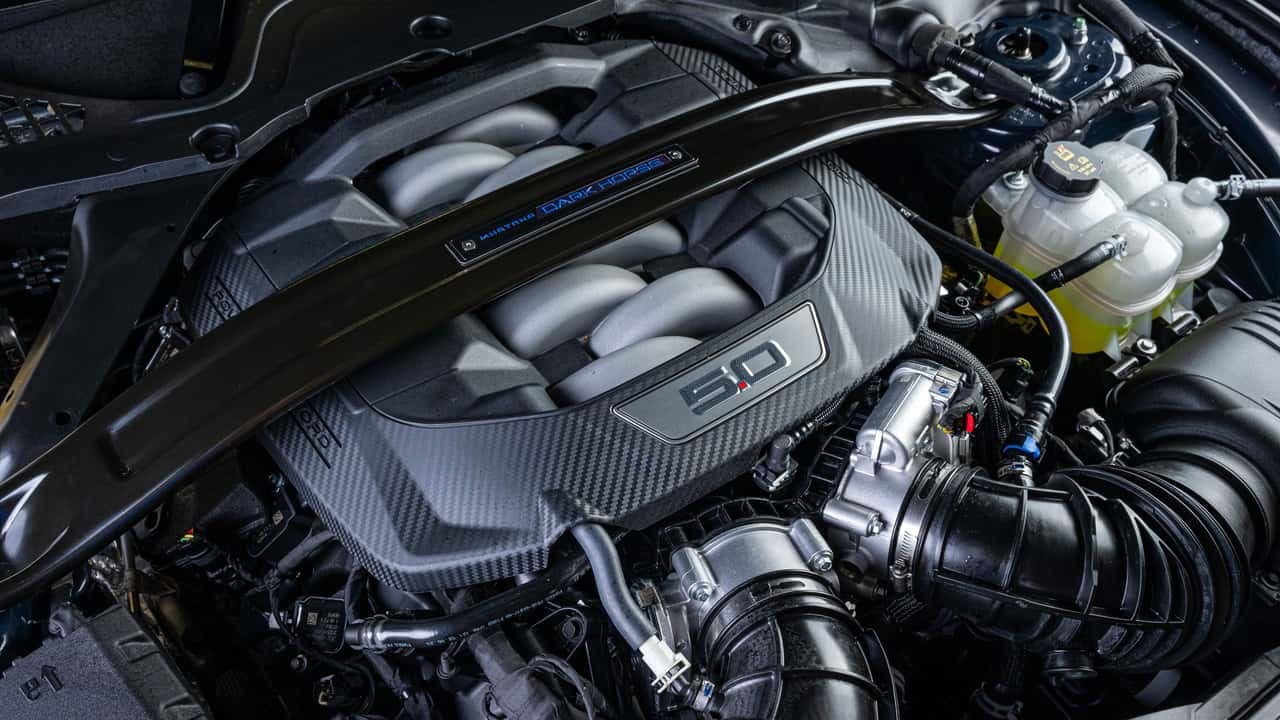
Ford's Recall Problem Has Been Hard to Ignore
Over the past several years, Ford Motor Company has faced a seemingly relentless wave of vehicle recalls. From engine fires to transmission failures and software glitches, the automaker has grappled with quality control issues that have frustrated customers, battered its reputation, and cost the company billions of dollars in warranty expenses. At one point, Ford's warranty costs were among the highest in the entire automotive industry, a red flag that executives acknowledged openly and pledged to fix.
Now, it appears that Ford may have found a meaningful piece of the puzzle. The company has implemented a new engine teardown program designed to catch defects earlier in the production process — and early results suggest it is already having a measurable impact on warranty data. For a company that has been under intense scrutiny over its manufacturing quality, this is a significant development worth paying close attention to.
What Is Ford's Engine Teardown Program?
At its core, Ford's engine teardown program is a proactive quality assurance initiative. Rather than waiting for problems to surface in the field — where they become expensive warranty claims or, worse, full-blown safety recalls — Ford is pulling engines off the production line and conducting thorough disassembly and inspection before those engines ever reach a customer's vehicle.
The teardown process allows Ford's engineering and quality teams to identify manufacturing defects, tolerance issues, and assembly errors at the source. When a flaw is detected during teardown, engineers can trace it back to its root cause on the production line and implement corrective actions immediately. This is a fundamentally different approach from relying solely on customer complaints or field data to identify a systemic problem — by that point, tens of thousands of vehicles may already be on the road with the same defect.
The program reflects a broader shift in Ford's manufacturing philosophy: moving from reactive quality control to preventative quality assurance. It is a methodology that has been used in aerospace and other high-stakes industries for decades, and its application in automotive manufacturing, when executed rigorously, can dramatically reduce the rate of defects that reach consumers.
Early Results Are Showing Up in Warranty Data
Perhaps the most encouraging sign is that Ford says it is already seeing the results of this program reflected in its warranty data. Warranty data is one of the most telling indicators of vehicle quality — it tracks how often customers are bringing vehicles in for repairs covered under the manufacturer's guarantee, and it directly correlates with both customer satisfaction and the company's bottom line.
A reduction in warranty claims tied to engine-related issues would suggest that fewer defective engines are making it into production vehicles. For Ford, which has spent enormous sums addressing engine problems in models like the F-150, the Explorer, the Bronco, and various EcoBoost-powered vehicles, any measurable improvement in this area is a welcome sign for both the company and its customers.
It is important to note that warranty improvements take time to fully manifest. Vehicles need to be driven and aged before many defects reveal themselves, so the full picture of whether this teardown program is delivering lasting quality improvements will become clearer over the next few years. But the early trajectory is positive, and Ford leadership appears cautiously optimistic.
Why Ford's Recall Problem Became So Severe
To understand why this program matters, it helps to understand how Ford's recall issues escalated in the first place. The automaker made an aggressive push in the 2010s and into the 2020s to introduce new technologies — particularly turbocharged EcoBoost engines and complex new transmissions — across a wide range of its lineup. The ambition was sound, but the execution in some cases fell short of the reliability standards customers expected.
At the same time, supply chain pressures, pandemic-era production disruptions, and the challenge of launching entirely new vehicle platforms simultaneously all contributed to quality slipping through the cracks. The result was a string of high-profile recalls that damaged consumer trust and led to some of the highest per-vehicle warranty costs in the industry.
Ford CEO Jim Farley publicly acknowledged the problem, calling warranty costs an "embarrassment" for the company and making quality improvement one of the central priorities of his tenure. The engine teardown program is one tangible expression of that commitment.
What This Means for Ford Customers
For existing and prospective Ford owners, this initiative represents a genuine step in the right direction. Recalls are more than an inconvenience — they erode confidence in a brand, and repeated quality issues can push buyers toward competitors like Toyota, Honda, or increasingly, electric vehicle makers. If Ford can demonstrate through sustained warranty performance that its quality control measures are working, it stands to recover a degree of customer trust that has been difficult to rebuild.
Key Takeaways for Ford Buyers
- Ford's engine teardown program is designed to catch manufacturing defects before vehicles reach customers, reducing the likelihood of field failures and recalls.
- Early warranty data indicates the program is already having a positive effect, though the full results will take additional time to validate across vehicle model years.
- The initiative is part of a larger company-wide commitment to quality improvement championed by CEO Jim Farley, who has made reducing warranty costs a top operational priority.
- Buyers considering Ford vehicles — particularly those powered by EcoBoost or other recently updated powertrains — have reason to feel more confident about long-term reliability if these trends continue.
The Road Ahead for Ford Quality Control
The engine teardown program is promising, but it is not a silver bullet. Ford still faces the challenge of maintaining consistent quality across a broad and complex vehicle lineup, managing an evolving supply chain, and transitioning portions of its portfolio toward electric vehicles — a technology shift that introduces its own set of new engineering and manufacturing unknowns.
Nevertheless, the fact that Ford is investing in upstream quality processes and seeing tangible results in its data is a meaningful signal. The automotive industry rewards consistency, and if Ford can sustain and build on these early gains, the company has a credible path toward reclaiming its reputation for building vehicles that customers can rely on for the long haul. The teardown program may be just one tool in the toolbox, but right now, it looks like one of the more effective ones Ford has picked up in years.