
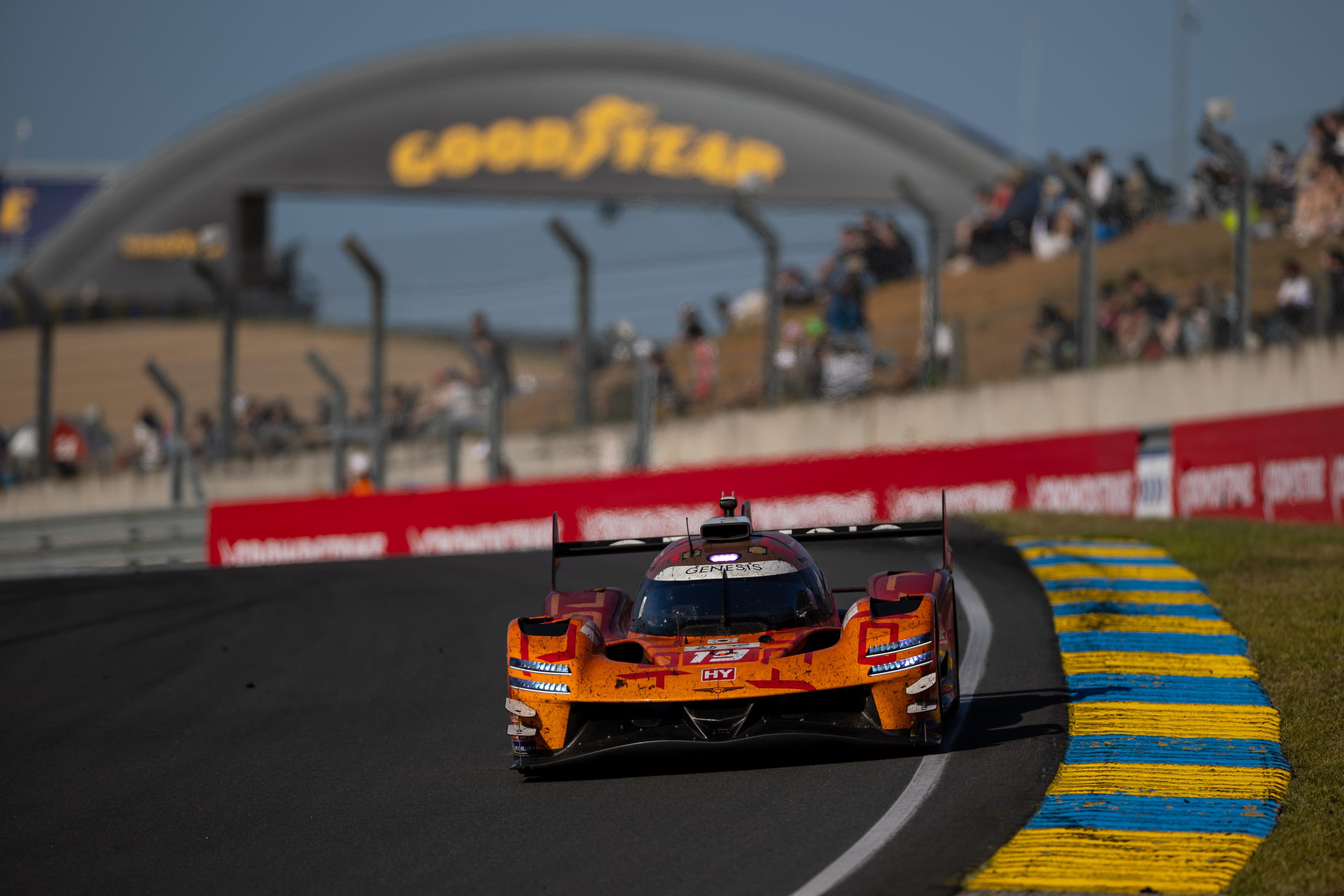
The Greatest Endurance Race in the World — and How to Earn Your Place in It
The 24 Hours of Le Mans is not just a race. It is a century-old trial of engineering, strategy, and human endurance that has broken teams, built legends, and defined what it means to push both machine and driver to their absolute limits. Every year, a select group of manufacturers and privateer outfits earn the right to line up on the starting grid at Circuit de la Sarthe in northwestern France, knowing that only the most prepared will see the checkered flag. So what exactly does it take to debut at Le Mans — and how did the Genesis Magma Racing team manage to do it in only 18 months?
Who Is Genesis Magma Racing?
Genesis Magma Racing is the motorsport arm of Genesis, the luxury automotive brand under the Hyundai Motor Group umbrella. While Genesis has been building a reputation for refined, performance-oriented road cars, its racing division represents a bolder, more aggressive side of the brand — one that wants to prove itself not on showroom floors, but on the world's most demanding race circuits. The "Magma" sub-brand itself signals Genesis's high-performance aspirations, and entering Le Mans is arguably the most dramatic statement that ambition could make.
What makes the Genesis Magma Racing story particularly remarkable is the timeline. Assembling a competitive team capable of racing at the highest level of endurance motorsport in under two years is, by any measure, an extraordinary feat. Most established racing programs spend years developing infrastructure, refining technical partnerships, recruiting personnel, and accumulating track time before they ever consider entering a race of this magnitude.
Building a Le Mans Team From the Ground Up
Putting together a full race team is far more complex than most motorsport fans realize. The visible elements — the car, the drivers, the livery — are only the surface. Beneath them lies an enormous organizational undertaking involving dozens of specialized roles, each critical to surviving 24 hours of flat-out racing.
Technical and Engineering Infrastructure
Every competitive Le Mans team requires a deep bench of engineers covering aerodynamics, powertrain management, suspension setup, data analysis, and real-time strategy. These specialists must not only understand the car in isolation, but understand how it will behave across changing weather conditions, varying track temperatures, and the inevitable mechanical stress that accumulates over a full day and night of racing. Building or acquiring this expertise in 18 months demands aggressive recruitment, strong institutional partnerships, and a clear technical philosophy from day one.
Driver Selection and Development
Le Mans imposes strict driver regulations, including mandatory rest periods and minimum driving time allocations, which means every team must carefully manage a lineup of typically three drivers per car. Finding drivers who are not only fast but also consistent, reliable under extreme fatigue, and capable of providing precise technical feedback is a challenge in itself. For a debut program, pairing experienced Le Mans veterans with newer talent can help bridge the knowledge gap while also meeting the ACO's driver grading requirements.
Logistics and Race Operations
Le Mans week is a logistical operation on the scale of a small military campaign. Teams must transport equipment across borders, set up temporary garages, manage fuel and tire strategies across 24 hours, coordinate with officials, and keep dozens of support staff fed, rested, and focused. For a first-time entrant, the learning curve for just the operational side of the event is steep — and mistakes in logistics can be just as costly as mistakes on track.
The Role of Partnerships in a Fast-Track Program
One of the key enablers for any team attempting to compress years of development into months is the strategic use of partnerships. Collaborating with established racing organizations, technical suppliers, and motorsport consultancies allows a new entrant to access institutional knowledge that would otherwise take years to develop internally. Tire partners, fuel suppliers, brake specialists, and electronics manufacturers all play a supporting role in building a car that can last 24 hours at racing speed. Genesis Magma Racing's ability to assemble these relationships quickly speaks to the strength of the Hyundai Motor Group's existing motorsport network and the credibility that the Genesis brand carries in the industry.
Why Le Mans? Why Now?
For a brand like Genesis, Le Mans represents more than a competitive proving ground — it is a global marketing platform and a statement of engineering intent. The race commands a worldwide television audience, generates enormous media coverage, and sits alongside events like Formula 1 and the Indianapolis 500 in the public consciousness. A strong debut at Le Mans tells potential customers, investors, and rivals that Genesis is not a brand content to exist in the background. It is here to compete.
The timing also aligns with broader industry trends. The Le Mans Hypercar class, which serves as the top category in the FIA World Endurance Championship, has attracted a remarkable wave of manufacturer investment in recent years, with brands including Ferrari, Toyota, Porsche, BMW, Cadillac, and Alpine all fielding factory-supported programs. Entering now, while the class is at peak relevance and visibility, maximizes the return on Genesis Magma Racing's investment.
What a Successful Debut Really Looks Like
In motorsport, the definition of a successful debut at Le Mans is often more nuanced than simply finishing on the podium. For a first-time entrant, success can mean completing the race distance, validating the technical package, demonstrating competitive pace in at least one phase of the event, and — perhaps most importantly — gathering the data and operational experience needed to mount a stronger challenge the following year. Teams that treat their debut as a learning exercise rather than an all-or-nothing assault on victory tend to build more sustainable programs over time.
Genesis Magma Racing's 18-month construction of a full Le Mans team is a story about ambition backed by resources, expertise acquired at speed, and a willingness to commit fully to one of the most unforgiving stages in world motorsport. Whether the team finishes in the top ten or simply crosses the line at dawn, the fact that they are there at all is an achievement worth understanding.
The Road Ahead for Genesis Magma Racing
A Le Mans debut is rarely an endpoint — it is almost always a beginning. The data gathered, the lessons learned, and the relationships forged during a first campaign become the foundation for everything that follows. If Genesis Magma Racing executes its debut with the same organizational discipline and speed it used to build the team in the first place, the broader motorsport world would be wise to take notice. The 24 Hours of Le Mans has a long history of producing unexpected heroes, and the newest names on the entry list have a habit of becoming the most compelling stories by the time the sun rises over Circuit de la Sarthe.