
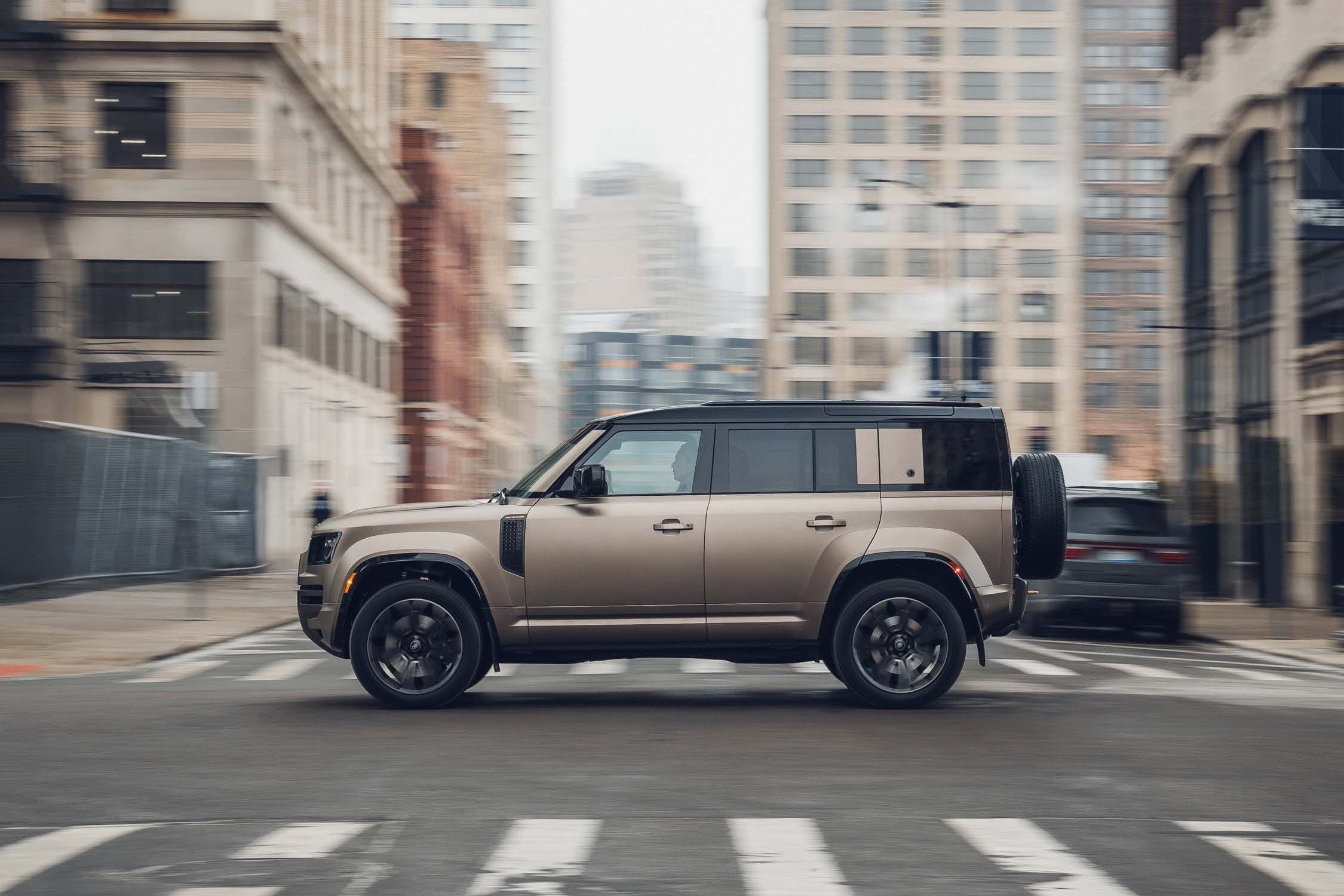
Land Rover Is Planning a Stellantis-Based Defender for the U.S. Market
The automotive world is buzzing with one of the most unexpected yet strategically compelling announcements of the year: Jaguar Land Rover (JLR) has confirmed a partnership with Stellantis that will yield a new version of the iconic Defender specifically tailored for the United States market. As the British automaker realigns its global priorities and steps back from a China-centric growth strategy, North America is firmly in its sights — and this new Defender could be the vehicle that plants its flag there.
Why JLR Is Shifting Focus Away from China
For much of the past decade, China represented the golden goose of the global automotive industry. Nearly every major automaker poured investment into Chinese manufacturing, partnerships, and consumer outreach. Jaguar Land Rover was no exception. However, the Chinese luxury and premium vehicle market has grown increasingly competitive, particularly as domestic Chinese brands like BYD, Nio, and Li Auto have risen dramatically in quality and prestige.
Faced with slowing sales, intense local competition, and a geopolitical landscape that has made foreign automakers increasingly vulnerable, JLR has made the calculated decision to recalibrate. Rather than continuing to chase a market where the headwinds are growing stronger, the British automaker is redirecting resources and strategic energy toward markets where its brand equity remains extremely high — most notably, the United States.
The U.S. remains one of the world's most lucrative automotive markets, particularly for trucks, SUVs, and off-road-capable vehicles. The Land Rover Defender, with its rugged heritage and lifestyle appeal, is uniquely positioned to resonate with American consumers who have long favored capable, adventure-ready vehicles.
The Stellantis Partnership: What We Know So Far
The centerpiece of this strategic pivot is a formal partnership between JLR and Stellantis — the automotive conglomerate that oversees brands including Jeep, Ram, Dodge, Fiat, Chrysler, Peugeot, and many others. Under this arrangement, the new U.S.-market Defender will be built on a Stellantis platform, leveraging the manufacturing infrastructure, supply chains, and technical capabilities that Stellantis has developed over years of producing American-market vehicles.
This kind of cross-brand platform sharing is not unprecedented in the automotive industry. It allows automakers to significantly reduce development costs, accelerate timelines, and achieve economies of scale that would otherwise be out of reach for a relatively niche brand like Jaguar Land Rover. By borrowing proven engineering from Stellantis, JLR can focus its own resources on the design, interior refinement, and brand-specific technology that make a Defender a Defender.
While full technical specifications have not yet been officially disclosed, the collaboration signals a vehicle that could combine Stellantis's robust off-road engineering — think Jeep Wrangler-level trail credentials — with the distinctive British character and premium positioning that Land Rover loyalists expect.
What This Could Mean for the Land Rover Defender Lineup
The existing Land Rover Defender has already made a triumphant return to the U.S. market after its long absence. Since its relaunch in 2020, the modern Defender has been praised for blending genuine off-road capability with refined on-road manners, a premium interior, and striking design. It has sold well globally and helped reestablish Land Rover as a serious player in the luxury SUV segment.
The Stellantis-based variant is expected to complement, rather than replace, the existing lineup. Analysts speculate that this could translate into:
- A more accessible price point that opens the Defender to a wider audience of American buyers who find the current model out of reach.
- A body-on-frame or more truck-like construction that aligns with American consumer preferences for highly capable, towable off-road platforms.
- Potential manufacturing in North America, which could help JLR navigate tariff complexities and appeal to buyers who prioritize domestic production.
- A powertrain lineup that includes options tuned for the U.S. market, possibly including hybrid or electric variants given the growing regulatory and consumer pressure toward electrification.
If JLR can deliver a Stellantis-based Defender that feels authentically Land Rover while offering greater value and practicality for American buyers, it could dramatically expand the brand's footprint in the country.
The Bigger Picture: Platform Sharing in the Modern Auto Industry
This partnership is a microcosm of a broader trend reshaping the automotive industry. As development costs for modern vehicles — especially those incorporating advanced driver assistance systems, electrified powertrains, and sophisticated software — continue to skyrocket, even well-resourced automakers are finding it increasingly difficult to go it alone.
Platform sharing agreements allow brands to maintain distinct identities while spreading the enormous fixed costs of vehicle development across larger production volumes. Volkswagen Group has long mastered this strategy with its MQB and MLB platforms underpinning dozens of vehicles across Audi, VW, Skoda, and SEAT. Stellantis itself has built much of its product strategy around shared architectures.
For JLR, aligning with Stellantis on a U.S.-specific Defender is a pragmatic move that acknowledges the financial realities of modern automotive development without compromising the brand's premium positioning — provided execution is handled with care.
What American Buyers Should Watch For
If you're an American consumer with an eye on the Land Rover Defender, this announcement is worth following closely. While a launch timeline has not yet been confirmed, the partnership represents a genuine commitment from JLR to deepen its roots in the U.S. market. Prospective buyers should watch for official reveals that clarify platform details, pricing tiers, powertrain options, and availability windows.
For Stellantis, the deal is equally compelling. Associating its engineering capabilities with a storied British brand enhances its portfolio and demonstrates the commercial value of its platform investments beyond its own nameplates.
Conclusion: A New Chapter for an Iconic Nameplate
The Land Rover Defender has survived decades of evolution, discontinuation, and triumphant return. Now, through a smart partnership with Stellantis, it appears poised for yet another chapter — one written specifically for the American market. As JLR pivots away from China and doubles down on the U.S., this Stellantis-based Defender could become one of the most talked-about vehicles of the coming model years. Keep your eyes on the horizon: the Defender is coming, and it may be closer to home than ever before.