
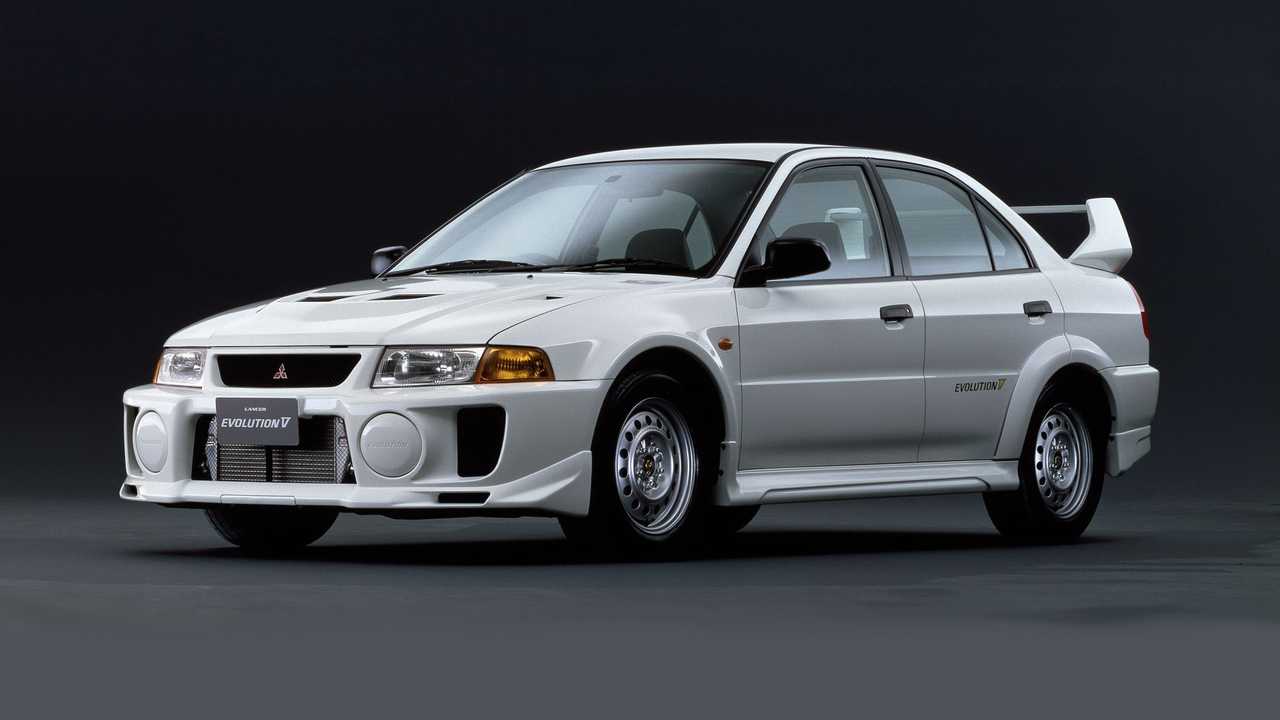
Mitsubishi Lancer Evolution: A Legend That Refuses to Die
Few nameplates in automotive history carry the emotional weight of the Mitsubishi Lancer Evolution. From its humble rally-racing origins in the early 1990s to its final production run in 2015, the Evo built a fanbase so passionate and so loyal that the car's discontinuation felt less like a product decision and more like a public loss. Now, years after the last Lancer Evolution rolled off the line, Mitsubishi is openly acknowledging what enthusiasts have known all along — the Evo is irreplaceable. The company has gone so far as to describe it as a corporate "treasure." The painful twist? Mitsubishi admits it simply isn't in a position to bring it back.
Why Mitsubishi Called the Lancer Evolution a "Treasure"
It's rare for an automaker to use language that personal when talking about a discontinued model. Most car companies move on quietly, redirecting attention toward newer lineups and future products. Mitsubishi's decision to publicly honor the Lancer Evolution with such reverence speaks volumes about the car's cultural significance — not just to fans, but to the brand itself.
The Lancer Evolution wasn't simply a fast sedan. It was Mitsubishi's technological showcase, a rolling demonstration of what the brand's engineers could accomplish when given a mission. The sophisticated all-wheel-drive system, the turbocharged four-cylinder engine, the advanced active center differential — all of it combined to produce a car that punched far above its price class and consistently went toe-to-toe with vehicles costing twice as much. It won rally championships. It earned a devoted global following. It made Mitsubishi relevant in a segment where European and Japanese rivals had deep roots and big budgets.
For Mitsubishi to call the Evo a treasure is not hyperbole. It is an honest accounting of what that car meant to the brand's identity and legacy.
Why a Lancer Evolution Revival Isn't Happening — At Least Not Now
Despite the nostalgia and the clear affection Mitsubishi holds for the Evo, the automaker has been candid: reviving the Lancer Evolution is not something the company is positioned to do right now. The reasons are complex, but they largely come down to the realities of a rapidly changing automotive landscape and Mitsubishi's current strategic direction.
Mitsubishi's Shift Toward SUVs and Electrification
Over the past decade, Mitsubishi has fundamentally reoriented itself as a brand. The focus has moved decisively toward SUVs, crossovers, and electrified vehicles — a strategy aligned with global consumer trends and the demands of its alliance partnership with Renault and Nissan. Models like the Outlander, Eclipse Cross, and the plug-in hybrid Outlander PHEV represent the new face of Mitsubishi. There is no current production sedan platform in the lineup that could serve as a foundation for a new Evo, and building one from scratch would require enormous investment.
The Cost and Complexity of a Modern Performance Sedan
Developing a performance sedan in 2024 is an entirely different proposition than it was in the 1990s or even the early 2000s. Modern safety regulations, emissions standards, and consumer expectations around technology and interior quality mean that any new Lancer Evolution would need to be a thoroughly contemporary vehicle — not a throwback. That means advanced driver assistance systems, connectivity features, and likely some form of electrification, all layered on top of the performance hardware that defines the Evo nameplate. The development costs alone would be staggering for a brand of Mitsubishi's current size and market share.
The Competitive Market Has Changed Dramatically
The performance sedan segment has transformed significantly since the Evo last competed. The Subaru WRX STI, long the Evo's fiercest rival, has itself undergone major changes. European hot sedans from brands like BMW and Mercedes-AMG dominate the premium end of the market. Without a clearly defined competitive position, a new Evo would face an uphill battle to carve out its space — especially without the rally racing program that originally gave the car its credibility and cachet.
What a Future Lancer Evolution Could Look Like
Enthusiasts and analysts have long speculated about what form a revived Lancer Evolution might take. The most frequently discussed concept is an electrified Evo — a performance vehicle that leverages electric motors to deliver the kind of instant torque and all-wheel-drive precision that made the original cars so thrilling. Mitsubishi has genuine expertise in electrification through its PHEV technology, and there is a logical argument to be made that an electrified Evo could honor the original's spirit while meeting the demands of a new era.
But for now, that remains firmly in the realm of speculation. Mitsubishi has not announced any concrete plans, and industry observers caution against reading too much into the company's fond words about the Evo's legacy.
The Enduring Legacy of the Lancer Evolution
Even without a revival on the horizon, the Lancer Evolution's influence on car culture remains undeniable. Used examples continue to command strong prices in the enthusiast market. Online communities dedicated to the Evo remain active and passionate. The car has appeared in video games, films, and motorsport contexts that keep its profile alive for younger generations who may never have seen one in a showroom.
Mitsubishi calling the Evo a treasure is ultimately a promise — not necessarily a commitment to revival, but an acknowledgment that the nameplate is worth protecting. Whether that protection eventually leads to a new chapter in the Lancer Evolution story remains to be seen.
Final Thoughts
The Mitsubishi Lancer Evolution occupies a unique place in automotive history — beloved by enthusiasts, respected by engineers, and now openly mourned by the brand that created it. Mitsubishi's candid admission that it wishes it could bring the Evo back is both refreshing and bittersweet. It confirms what fans have always believed: that the Lancer Evolution was something genuinely special. And while the road to a revival is blocked by real-world business constraints, the dream of a new Evo refuses to fade. For now, the legend lives on in garages, on tracks, and in the memories of everyone who ever gripped an Evo's steering wheel and held on for the ride.