
BMW Confirms the Next M3 Won't Be Hybrid — And Enthusiasts Are Thrilled
In an era where almost every major automaker is rushing to electrify its performance lineup, BMW has made a bold and refreshing declaration: the next-generation M3 will not be a hybrid. For a brand that has been steadily introducing electrified powertrains across its portfolio, this decision signals a clear commitment to preserving the raw, unfiltered driving character that has made the M3 one of the most celebrated sports sedans in automotive history.
So what exactly is powering the next BMW M3? What does this mean for performance, driving dynamics, and the future of the M division? Let's break it all down.
The Next BMW M3 Will Keep Its Iconic Inline-Six
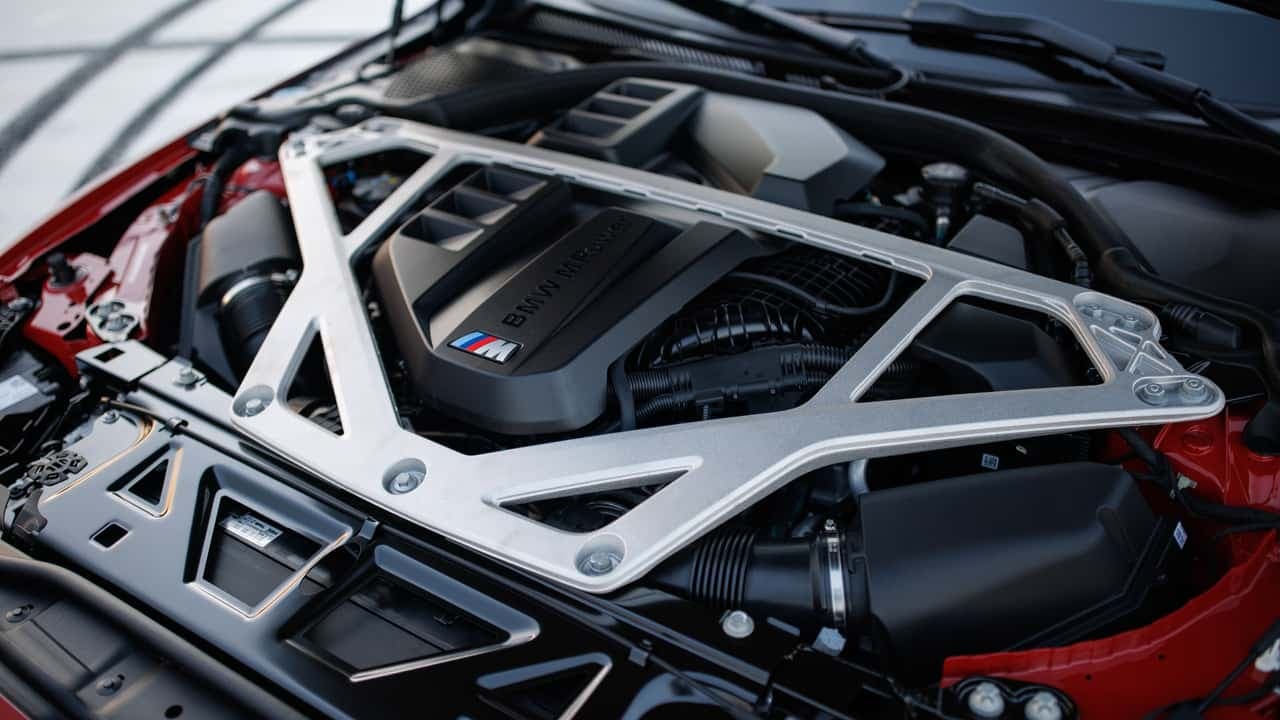
BMW has officially confirmed that the next-generation M3 will be powered by an updated version of the S58 inline-six engine — the same twin-turbocharged powerhouse that currently propels the M3 Competition and the ferocious M4 CSL. Rather than bolting on a battery pack and electric motor to chase efficiency figures, BMW's M division has chosen a different path: refining and enhancing what is already widely regarded as one of the greatest performance engines on sale today.
The updated S58 will incorporate BMW's new M Ignite technology, a suite of performance-focused engine enhancements designed to push the inline-six further in terms of power output, throttle response, and overall driver engagement. While full technical specifications have not yet been officially released, the introduction of M Ignite technology suggests BMW M engineers have been working hard to extract even more capability from an already exceptional platform.
What Is BMW M Ignite Technology?
M Ignite is BMW's latest engineering framework aimed at maximizing the performance potential of internal combustion engines within the M lineup. Although BMW has kept many of the finer details close to its chest, M Ignite is expected to deliver improvements across several key areas:
- Increased power output — pushing beyond the current 503 hp found in the M3 Competition xDrive.
- Enhanced throttle mapping — delivering sharper, more immediate responses to driver inputs.
- Optimized cooling and thermal management — ensuring sustained performance during track use.
- Revised exhaust tuning — for a more characterful and emotive engine note.
For driving purists, the appeal of M Ignite lies precisely in what it doesn't include: additional weight, regenerative braking complexity, or the muted throttle feel that often accompanies hybrid systems in performance applications. BMW appears to understand that its core M3 audience values immediacy, mechanical purity, and a deep connection between driver and machine.
Why BMW Is Bucking the Hybrid Trend
It would be easy to assume that BMW's decision to keep the M3 combustion-only is simply a business decision aimed at satisfying a vocal group of purists. But there's a more nuanced strategic logic at work here.
BMW has already committed to electrification through its broader lineup, with fully electric M models like the BMW iM2 expected to arrive and serve a different segment of performance-minded buyers. By keeping the M3 purely combustion-powered, BMW is effectively drawing a deliberate line in its portfolio — allowing customers to choose between two very different expressions of performance philosophy.
There's also the matter of weight. Hybrid systems, particularly those capable of meaningfully augmenting performance rather than just improving fuel economy, add significant mass. The M3 has always been celebrated for its near-perfect balance and agility. Adding a hybrid system risks compromising the very dynamics that define the car's character. BMW M's engineers clearly decided that protecting those dynamics was more important than chasing lower emissions figures in this particular model.
What This Means for M3 Buyers
For current and prospective M3 owners, BMW's confirmation is largely great news. It means the next M3 will continue to offer the high-revving, turbocharged inline-six experience that generations of enthusiasts have come to love — now with the added benefit of M Ignite enhancements that should push the car's performance ceiling even higher.
Expect the next M3 to remain sharply focused on driver engagement as its primary mission. Whether on a twisting back road or a race circuit, the absence of hybrid complexity should ensure that the connection between driver inputs and vehicle response remains as direct and rewarding as ever.
A Statement of Intent From BMW M
BMW's decision to keep the next M3 free from hybrid technology is more than just an engineering choice — it's a statement of intent. In a performance car landscape increasingly defined by electrification, BMW M is signaling that the soul of the M3 is worth protecting. The updated S58 engine equipped with M Ignite technology promises to deliver a next-generation M3 that is faster, sharper, and more exhilarating than its predecessor, all without compromising the analog purity that made the nameplate legendary in the first place.
For anyone who has ever felt their pulse quicken at the sound of an M3's inline-six singing toward its redline, this is very good news indeed.