
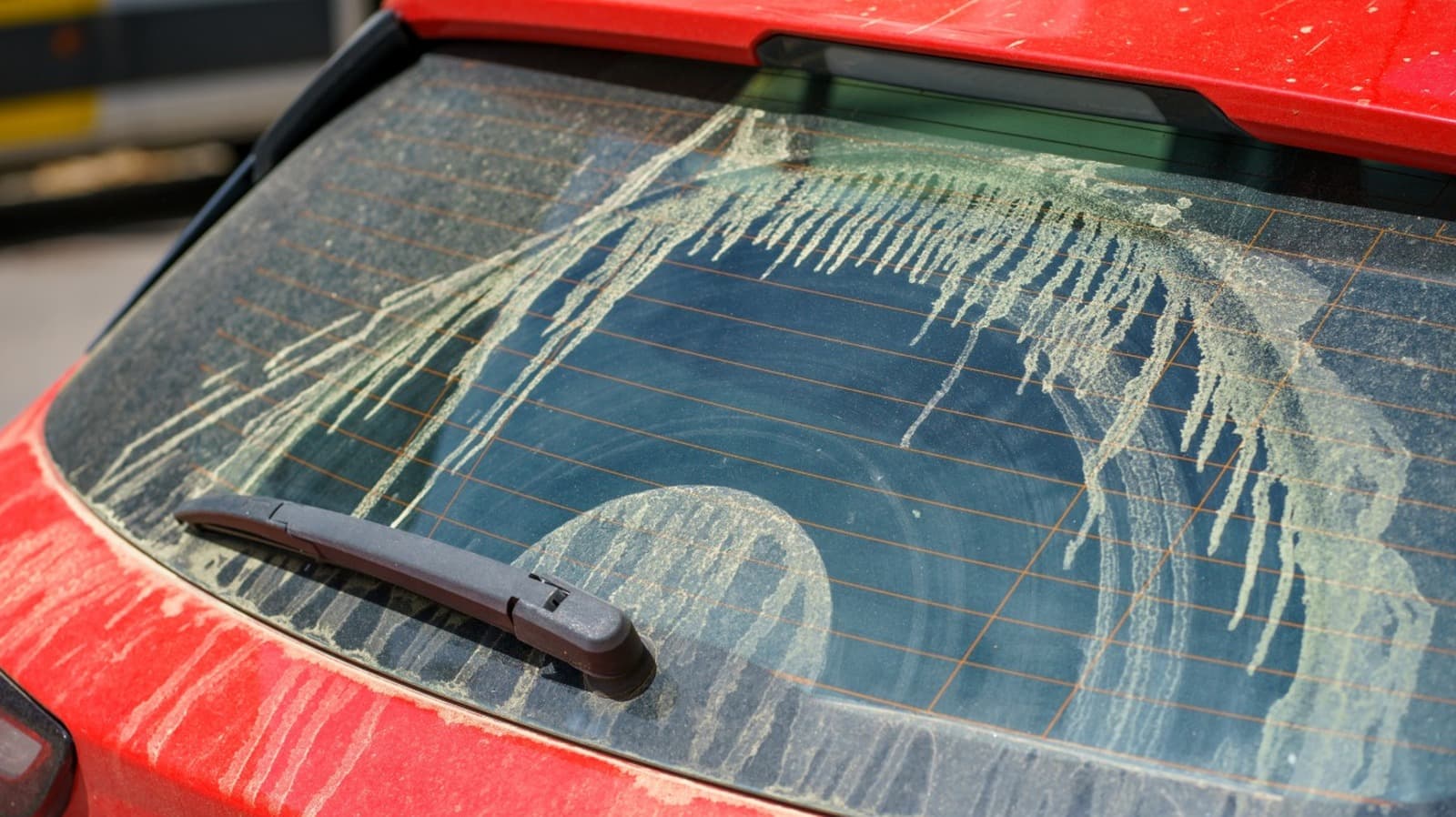
Pollen and Your Car: A Seasonal Threat You Can't Afford to Ignore
Every spring and summer, millions of people brace themselves for sneezing fits, itchy eyes, and the miserable wave of symptoms that pollen season brings. But while most of us are focused on stocking up on antihistamines and keeping windows shut, there's another victim of the annual pollen assault that often goes overlooked — your car. That fine, yellowish-green dust coating your windshield every morning isn't just an eyesore. Over time, pollen can cause real, measurable damage to your vehicle, and ignoring it could end up costing you significantly more than a bottle of allergy medication.
Why Pollen Is More Damaging Than It Looks
At first glance, pollen seems harmless enough. It's light, it's natural, and it brushes off with a cloth — right? Not quite. The problem lies in pollen's microscopic structure. Individual pollen grains are covered in tiny, jagged spikes and barbs that help them latch onto surfaces. When pollen lands on your car's paintwork, those microscopic spikes act almost like sandpaper, especially if you try to wipe them away dry. A casual swipe of your hand or a dry cloth across a pollen-coated hood can introduce fine scratches into your clear coat that, while barely visible at first, accumulate into a dull, hazy finish over time.
Beyond its physical texture, pollen is also chemically active. When pollen grains come into contact with moisture — whether from rain, morning dew, or high humidity — they can release acidic compounds. These compounds are mildly corrosive and, when left sitting on your paint surface for extended periods, can begin to etch into the clear coat. The result is a kind of chemical weathering that dulls the paint, creates micro-pitting, and, in severe cases, can strip away the protective layer entirely.
The Hidden Damage Pollen Causes Inside Your Car
The damage pollen does isn't limited to the outside of your vehicle. If you drive with your windows down or your ventilation system set to draw in fresh air, pollen particles enter the cabin in significant quantities. Your cabin air filter is the first line of defense against this, designed to trap dust, pollen, and other airborne particles before they circulate through your interior. However, during peak pollen season, this filter can become clogged far faster than usual.
A clogged cabin air filter reduces airflow through your HVAC system, forcing the blower motor to work harder and potentially shortening its lifespan. More importantly, a saturated filter stops doing its job effectively, meaning pollen gets through and settles into your vents, dashboard surfaces, and upholstery. For allergy sufferers, this turns every car ride into an extended exposure event — even with the windows firmly closed.
How Pollen Affects Your Engine Air Filter
Your cabin filter isn't the only one at risk. The engine air filter, which prevents contaminants from entering your engine, can also become clogged during heavy pollen seasons, particularly in areas with dense tree coverage or agricultural activity nearby. A restricted engine air filter reduces the amount of clean air mixing with fuel in the combustion chamber, leading to reduced fuel efficiency, sluggish acceleration, and increased engine strain over time. It's a subtle effect but a real one, and it underscores just how far-reaching pollen's impact on a vehicle can be.
Protecting Your Car's Paint From Pollen Damage
The good news is that with the right habits and precautions, you can significantly reduce the damage pollen does to your vehicle. Here are the most effective strategies:
- Rinse before you wipe. Never try to remove pollen from your car with a dry cloth or your bare hand. Always rinse the surface with water first to float the pollen grains off and reduce the risk of scratching. A gentle stream from a hose works better than a high-pressure jet, which can drive particles deeper into the paint.
- Wash your car frequently during pollen season. Regular washing with a proper car shampoo and a soft microfiber wash mitt removes pollen before it has a chance to react chemically with your clear coat. Aim for at least once a week during peak season.
- Apply a protective wax or paint sealant. A quality carnauba wax or synthetic paint sealant creates a sacrificial barrier between pollen and your clear coat. This makes it harder for pollen to bond chemically with the surface and easier to rinse away. Ceramic coatings offer even longer-lasting protection for those willing to invest in them.
- Park in a garage or under cover. Keeping your car out of direct exposure to pollen fallout is the simplest protection of all. If a garage isn't available, a quality car cover can dramatically reduce accumulation.
- Avoid parking under trees. Trees are the primary source of the heaviest, stickiest pollen. Parking in the open, away from overhanging branches, noticeably reduces how much pollen lands on your vehicle.
Maintaining Your Filters During Pollen Season
Check and replace both your cabin air filter and engine air filter more frequently during spring and early summer. Most manufacturers recommend replacing the cabin filter every 12,000 to 15,000 miles under normal conditions, but in high-pollen environments it's worth inspecting it every few months. A new filter is inexpensive insurance against both allergy symptoms and mechanical strain. If you notice reduced airflow from your vents or a musty smell in the cabin, that's a strong sign your filter needs attention immediately.
Don't Let Pollen Season Catch You Off Guard
It's easy to think of pollen as nothing more than a seasonal nuisance — an inconvenience that disappears when summer fades. But the evidence is clear: pollen is a genuine threat to your vehicle's paintwork, filtration systems, and overall condition. The microscopic structure of pollen grains makes them abrasive, their chemical properties make them corrosive, and their sheer volume during peak season means the cumulative effect builds up quickly. A little extra care during the months when pollen counts are highest — regular washing, protective coatings, and timely filter replacements — can preserve your car's appearance and mechanical health for years to come. Don't let something as seemingly innocent as flower dust leave you with an expensive repair bill.