
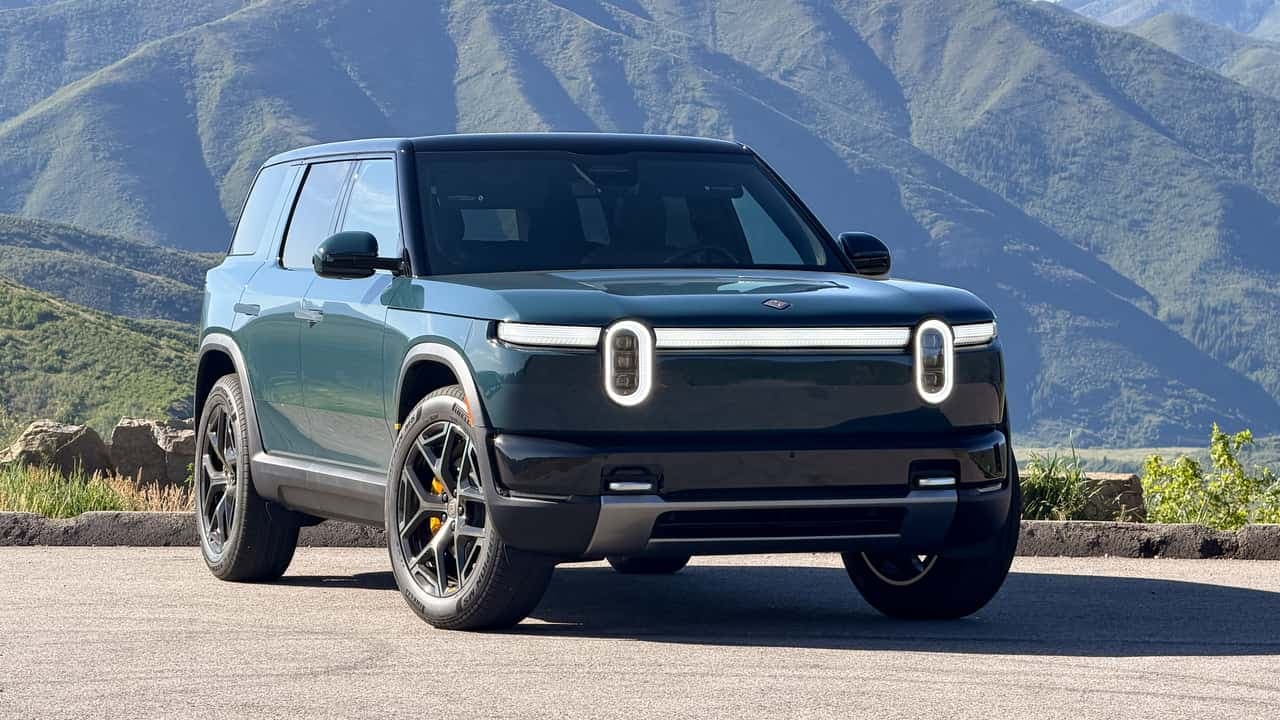
Rivian R2 Matches Tesla Model Y Efficiency Despite a 500-Pound Weight Disadvantage
In the fiercely competitive electric vehicle market, efficiency is king. Range anxiety remains one of the top concerns for prospective EV buyers, and energy consumption figures directly shape how drivers feel about their vehicles day to day. That's why the latest news surrounding the Rivian R2 Performance is turning heads across the automotive world: despite tipping the scales at roughly 500 pounds more than the Tesla Model Y Performance, Rivian's new challenger delivers identical energy consumption figures. It's a remarkable engineering achievement — and one that deserves a closer look.
Understanding the Weight Gap Between the Rivian R2 and Tesla Model Y
Weight is the enemy of efficiency in any vehicle, but that relationship is especially punishing in electric cars. Every additional pound demands more energy to accelerate, more battery capacity to sustain highway speeds, and more regenerative braking effort to recover kinetic energy. The laws of physics don't negotiate.
The Tesla Model Y Performance is no lightweight itself, but Rivian's R2 Performance is in a noticeably heavier class. A difference of approximately 500 pounds is not a rounding error — it's the equivalent of carrying three or four full-grown adults as permanent passengers. Historically, that kind of mass penalty would translate directly into a measurable hit on range and efficiency ratings. The fact that Rivian has engineered around it is a genuine story worth telling.
To put that figure in context, the Tesla Model Y Performance weighs in at around 4,555 pounds. If the Rivian R2 Performance comes in near the 5,000-pound mark, it is competing in a substantially different gravitational reality. Yet according to energy consumption data, the two vehicles are effectively neck and neck when it comes to miles-per-kilowatt-hour figures.
How Rivian Achieved This Level of EV Efficiency
So how does Rivian pull this off? Several engineering factors likely contribute to the R2's ability to overcome its weight disadvantage and match the Model Y's consumption numbers.
Advanced Motor and Drivetrain Technology
Rivian has invested heavily in its in-house motor and drivetrain development since the company's founding. The motors used in the R2 benefit from years of refinement that began with the larger R1T and R1S platforms. Improved inverter efficiency, optimized gear ratios, and tightly controlled power delivery all contribute to squeezing more miles out of every kilowatt-hour stored in the battery pack. A more efficient motor means less energy wasted as heat, which directly improves range regardless of vehicle mass.
Aerodynamic Design Choices
Aerodynamic drag increases with the square of speed, which means highway efficiency is enormously sensitive to a vehicle's drag coefficient and frontal area. Rivian's design team clearly prioritized aerodynamics when shaping the R2. While the vehicle maintains a bold, distinctive silhouette consistent with Rivian's brand identity, the underlying aerodynamic engineering appears to have been executed with efficiency in mind. Smooth underbody panels, carefully managed airflow around the wheel arches, and an optimized roofline all reduce the energy cost of cutting through air at speed.
Regenerative Braking Calibration
A heavier vehicle stores more kinetic energy at any given speed, and regenerative braking systems can actually benefit from this in certain driving scenarios. When calibrated effectively, a heavier EV can recover a greater absolute amount of energy during deceleration. Rivian's engineers have significant experience tuning regenerative systems across their vehicle lineup, and it appears that expertise has been applied thoughtfully to the R2 platform.
Battery Pack and Thermal Management
Battery chemistry and thermal management systems play an underappreciated role in real-world efficiency. A battery pack that maintains optimal temperature across a wide range of conditions delivers more of its rated capacity in actual use. Rivian's thermal management architecture, refined over multiple product generations and through extensive real-world fleet data from R1T and R1S owners, gives the company a meaningful edge in extracting consistent, predictable performance from its cells.
What This Means for the Broader EV Market
The Rivian R2's efficiency achievement carries implications that extend well beyond a single model comparison. It signals that the efficiency gap between different EV manufacturers is narrowing rapidly, and that weight alone is no longer a reliable predictor of energy consumption. As battery technology improves and motor efficiency climbs, the industry is entering a phase where a well-engineered heavier vehicle can genuinely compete with — or even surpass — a lighter rival.
For consumers, this is straightforwardly good news. It means that buyers who prioritize interior space, cargo capacity, or specific aesthetic choices no longer need to accept a meaningful efficiency penalty for going with the bigger option. The Rivian R2 offers the brand's signature rugged capability in a more accessible, more affordable package — and now it does so without asking drivers to sacrifice at the charging station.
It also puts meaningful competitive pressure on Tesla. The Model Y has long been the benchmark for efficiency in the mainstream electric crossover segment, and Tesla's obsessive focus on aerodynamics and drivetrain optimization has historically kept rivals at arm's length on energy consumption charts. The emergence of a heavier competitor that matches those numbers suggests Tesla's lead in this area is no longer assured.
Rivian R2 vs Tesla Model Y: Which Should You Buy?
Efficiency is one dimension of the buying decision, but it's far from the only one. The Rivian R2 and Tesla Model Y are distinct vehicles that will appeal to different buyers for different reasons.
- Charging Network: Tesla's Supercharger network remains the gold standard for long-distance travel in North America, though Rivian has expanded its Adventure Network and the broader CCS infrastructure has improved significantly in recent years.
- Interior and Software: Tesla's minimalist interior and over-the-air update cadence appeal to tech-forward buyers, while Rivian's cabin leans into a more tactile, outdoor-adventure-oriented design language with physical controls and a warm aesthetic.
- Brand Experience: Rivian has cultivated a loyal, community-driven ownership culture that resonates strongly with outdoor enthusiasts and adventure-seekers. Tesla's appeal is broader but arguably less tribal.
- Price Point: The R2 is designed to be more accessible than Rivian's R1 lineup, bringing the brand within reach of a wider audience. Exact pricing and trim comparisons will ultimately guide many purchasing decisions.
- Cargo and Utility: If the additional weight of the R2 comes with meaningful gains in cargo volume, towing capability, or structural rigidity, that trade-off may be well worth it for buyers with active lifestyles.
The Bottom Line on Rivian R2 Efficiency
The revelation that the Rivian R2 Performance matches the Tesla Model Y Performance in energy consumption despite carrying roughly 500 additional pounds is one of the more impressive engineering stories in the current EV landscape. It reflects genuine progress in motor technology, aerodynamic design, and systems integration — and it raises the bar for what consumers should expect from next-generation electric vehicles across every segment.
For anyone considering an electric crossover in this price and performance bracket, the Rivian R2 has just made the conversation a great deal more interesting. Efficiency parity with the segment benchmark, wrapped in Rivian's distinctive design and backed by the company's growing service and charging infrastructure, positions the R2 as a serious contender for EV buyers who want capability without compromise.
The EV race is accelerating, and Rivian just proved it has the engineering chops to run with the fastest names in the business.