
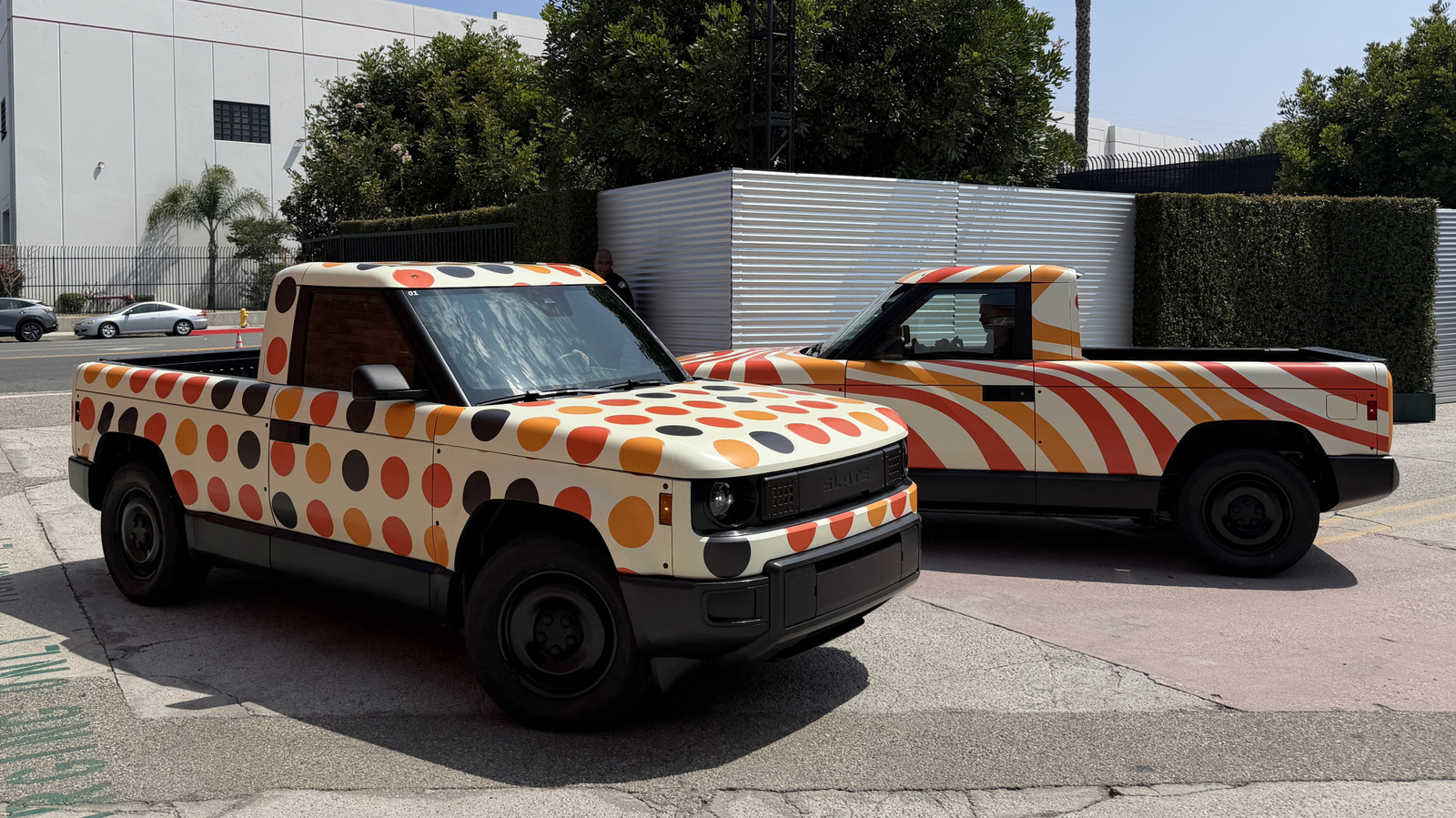
The Slate Electric Pickup Truck: A Bold Promise at a Budget Price
The electric vehicle market has been buzzing with excitement ever since Slate Auto unveiled its stripped-down, ultra-affordable electric pickup truck with a base price of just $24,950. For a segment dominated by six-figure behemoths like the GMC Hummer EV and luxury-leaning models like the Rivian R1T, a sub-$25,000 electric truck sounds almost too good to be true. After getting a firsthand ride in the Slate truck, one thing becomes clear: the gap between promise and reality is wider than many early adopters might hope.
What Makes the Slate Truck Stand Out on Paper
Before diving into the ride experience, it is worth acknowledging what Slate Auto has genuinely gotten right on a conceptual level. The company's core philosophy is built around radical simplicity and near-endless customization. Rather than loading the vehicle with expensive tech features that inflate the sticker price, Slate stripped everything down to bare essentials and invited buyers to build the truck they actually want through an à la carte options system.
On the surface, this approach is refreshingly honest. Not every truck buyer needs a 14-inch touchscreen, a 1,000-watt Bose sound system, or a built-in refrigerator. Some people just need a capable, affordable workhorse that runs on electricity. In a market where even base trims of popular EVs routinely exceed $40,000, the Slate truck's pricing strategy is genuinely disruptive — at least on paper.
The customization breadth is also a legitimate selling point. Buyers can reportedly personalize exterior panels, interior configurations, and utility add-ons in ways that give the Slate a unique identity compared to the cookie-cutter designs rolling off traditional assembly lines. For a certain type of DIY-minded buyer, this is catnip.
The Ride-Along Reality Check
Here is where things get complicated. After actually riding in the Slate truck, the initial enthusiasm begins to fade. The vehicle's stripped-down philosophy, which sounds so appealing in a press release, translates into a cabin experience that feels noticeably sparse — and not in a clever, minimalist way. It feels sparse in the way that reminds you exactly why other automakers spend so much money on fit, finish, and refinement.
The ride quality raises concerns that go beyond simple aesthetics. In a segment where even budget gasoline trucks have significantly improved their on-road manners over the past decade, the Slate truck's driving dynamics feel underdeveloped. Vibrations, road noise, and a general sense of roughness make extended driving an uncomfortable proposition. For a vehicle that is supposed to compete as a daily driver or a capable work vehicle, these are not minor quibbles.
Interior materials also reflect the cost-cutting agenda in ways that are hard to ignore. While bare-bones design can be a feature rather than a bug in some contexts, the Slate's interior crosses a line where minimalism starts to feel more like austerity. Surfaces feel cheap, controls feel basic, and the overall sensory experience does little to justify the five-figure price tag.
Breaking Down the $24,950 Value Proposition
The central question any potential buyer must ask is straightforward: what exactly does $24,950 buy you with the Slate truck? Here is an honest look at the trade-offs:
- Electric powertrain: You get the environmental and fuel-cost benefits of going electric, which is a genuine long-term financial advantage.
- Customization potential: The modular design allows for personalization, but many desirable upgrades cost extra, potentially pushing the real-world price significantly higher.
- Simplicity: Fewer software-dependent features mean fewer things to go wrong over time — a legitimate reliability argument.
- Compromised ride quality: The driving and riding experience feels unpolished compared to competitors at or near this price point.
- Sparse interior: Buyers accustomed to even modest modern vehicle interiors will likely feel the cabin comes up short.
How Does It Stack Up Against the Competition?
The affordable EV truck space is more competitive than it might seem. While truly cheap electric trucks are still rare, buyers in the $25,000 to $35,000 range have options worth comparing. Used Rivian R1Ts are beginning to appear on the secondhand market. The Ford F-150 Lightning has seen significant price reductions. And for buyers willing to consider non-truck EVs, the value-per-dollar comparison gets even harder for Slate to win.
What the Slate needs to compete is not just a low base price — it needs to deliver enough baseline quality to make that price feel like genuine value rather than a compromise. Based on the ride-along experience, it has not yet cleared that bar.
The Verdict: Intriguing Concept, Unfinished Execution
The Slate electric pickup truck represents an interesting experiment in rethinking what a truck needs to be. Its philosophy of simplicity and customization deserves credit, and the ambition behind its pricing strategy is admirable. However, ambition alone does not make a great vehicle. After experiencing the truck firsthand, the honest assessment is that the Slate, at its $24,950 base price, does not yet deliver the kind of driving experience, build quality, or interior refinement that would make it a clear recommendation.
If Slate Auto can address the ride quality and material concerns in future iterations, this could become a genuinely compelling option for budget-conscious EV buyers. For now, though, shoppers would be well served to wait, compare carefully, and perhaps let the early adopters work out the kinks before committing to a purchase.