
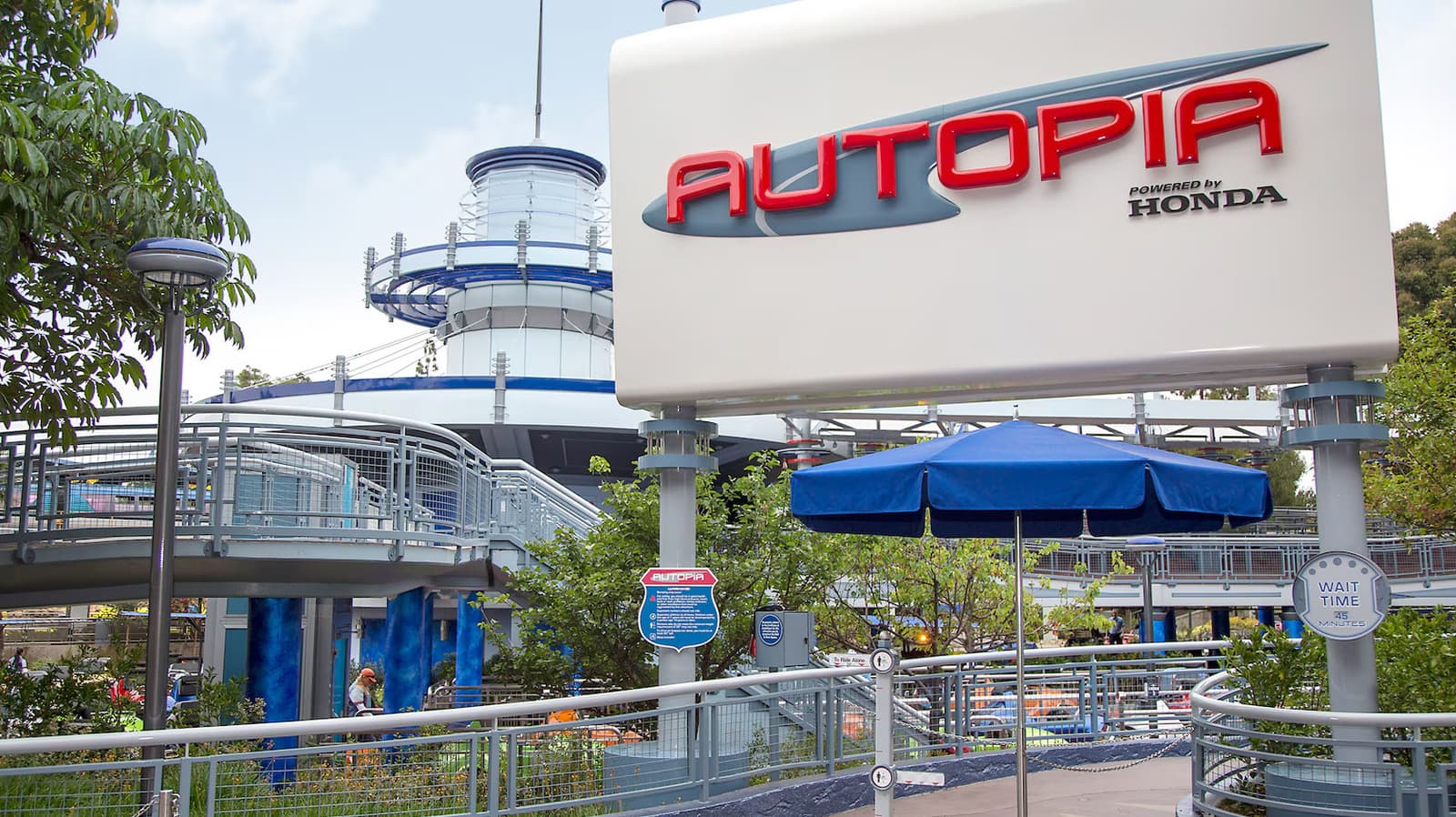
Disneyland's Autopia Is One Emissions Deadline Away From Permanent Closure
For generations of Disneyland visitors, Autopia has been a rite of passage — a chance for kids to grip a steering wheel for the first time and cruise down a miniature freeway in Tomorrowland. But that beloved piece of nostalgia is now caught in the middle of a very real, very modern problem: California's strict air quality regulations. State regulators have issued a stark ultimatum to the Happiest Place on Earth — clean up Autopia's gas-powered emissions by February or shut the ride down entirely.
What started as a quiet regulatory matter has since unraveled into something far more complicated, revealing a behind-the-scenes scandal that explains why Disneyland's 2024 promise to convert the ride's fleet to electric power has yet to materialize.
What Exactly Is Autopia, and Why Does It Matter?
Autopia opened alongside Disneyland itself in 1955, making it one of the original attractions Walt Disney personally envisioned. The ride was designed to celebrate the then-futuristic promise of the American highway system, letting young guests experience the thrill of driving a car on a guided track through a stylized open road. Decades later, the ride has been updated and reimagined multiple times, but its core concept — and its gasoline-powered engines — has largely remained the same.
The cars that guests drive are small, combustion-engine vehicles that produce real exhaust emissions. In a theme park setting, where dozens of those cars run continuously throughout operating hours in a relatively enclosed area, the cumulative environmental impact is far from trivial. For California's South Coast Air Quality Management District (SCAQMD), one of the most aggressive air quality watchdogs in the entire country, that kind of ongoing pollution source is no longer acceptable.
California's Emissions Ultimatum: Clean Up or Close Down
The South Coast Air Quality Management District has given Disneyland a hard deadline of February to bring Autopia's emissions into compliance with current air quality standards. If the park fails to meet that deadline, the ride will be forced to close — not temporarily for refurbishment, but shut down due to regulatory non-compliance.
This kind of enforcement action is relatively rare for a major theme park attraction, and it underscores just how seriously California takes its air pollution regulations. The state has long been a national leader in setting strict emissions standards, and the SCAQMD operates under some of the toughest local rules anywhere in the United States. Disneyland, as one of the largest tourist destinations in the country, is not exempt from those standards simply because of its cultural significance or economic footprint.
The irony is sharp: a ride that was originally conceived as a celebration of the automobile now faces extinction because of the very pollution those automobiles produce.
Disneyland Promised to Go Electric — So What Happened?
In 2024, Disneyland publicly announced plans to convert the Autopia fleet from gasoline engines to electric power. The announcement was met with widespread approval — it seemed like an elegant solution that would preserve the beloved attraction while bringing it into alignment with California's clean-air future. Electric vehicles, after all, are very much on-brand for a Tomorrowland attraction that is supposed to evoke cutting-edge innovation.
Yet as of the current deadline, no conversion has taken place. The cars are still running on gas, the emissions violations remain, and the February cutoff is fast approaching. So what went wrong?
According to reporting from Jalopnik, the delay is not simply a matter of logistics or procurement timelines. A scandal lurks behind the stalled electrification plan, though full details continue to emerge. What is clear is that the gap between Disneyland's public promise and its actual progress has left the ride in a precarious regulatory position, with no obvious quick fix in sight.
The Bigger Picture: Theme Parks and Environmental Accountability
The Autopia situation is part of a broader national conversation about whether large entertainment venues should be held to the same environmental standards as industrial operators. Critics of the current regulatory approach argue that theme park rides should perhaps receive more flexibility given their economic and cultural roles. Supporters of strict enforcement counter that clean air is a public health issue that does not have a carve-out for nostalgia.
California's position is clear. The state has committed to aggressive emissions reduction targets, and the SCAQMD's enforcement action against Autopia sends a message to every other theme park, tourist attraction, and outdoor entertainment venue operating gas-powered equipment in the region: the rules apply to everyone.
For Disney specifically, the stakes extend beyond just one ride. The company has made significant public commitments to environmental sustainability across its global operations. A high-profile regulatory failure at its flagship domestic park would be an embarrassing contradiction of those stated values — and a story that would travel far beyond the theme park press.
What Could Happen Next?
There are a few possible outcomes as the February deadline approaches:
- Emergency electrification: Disneyland could accelerate the conversion process, bringing in electric vehicle hardware on an expedited timeline to meet or narrowly miss the deadline while negotiating a brief grace period with regulators.
- Temporary closure: The ride could shut down voluntarily ahead of the deadline while conversion work is completed, framing it as a planned refurbishment rather than a regulatory shutdown.
- Forced closure: If no compliance plan is in place by February, regulators could compel Disneyland to cease operations on the attraction entirely, with no guaranteed reopening date.
- Legal challenge: Disney could contest the enforcement action through administrative or legal channels, though this seems unlikely given the company's public commitments to going electric.
Whatever path Disneyland chooses, the clock is ticking. And for millions of fans who grew up steering those little cars through Tomorrowland, the hope is that the Autopia story ends not with a regulatory shutdown, but with a quieter, cleaner electric hum.
A Ride Worth Saving — If Disney Acts in Time
Autopia is more than just a theme park attraction. It is a living piece of American pop culture history, a connection to Walt Disney's original vision, and for countless families, a memory tied to their very first visit to Disneyland. The emissions problem is real and the deadline is firm, but the solution — electrification — is entirely achievable. The question now is whether Disneyland will move fast enough to save one of its oldest and most storied rides before California's regulators make the decision for them.
The coming weeks will determine whether Autopia drives into a cleaner future or quietly fades into theme park history.