
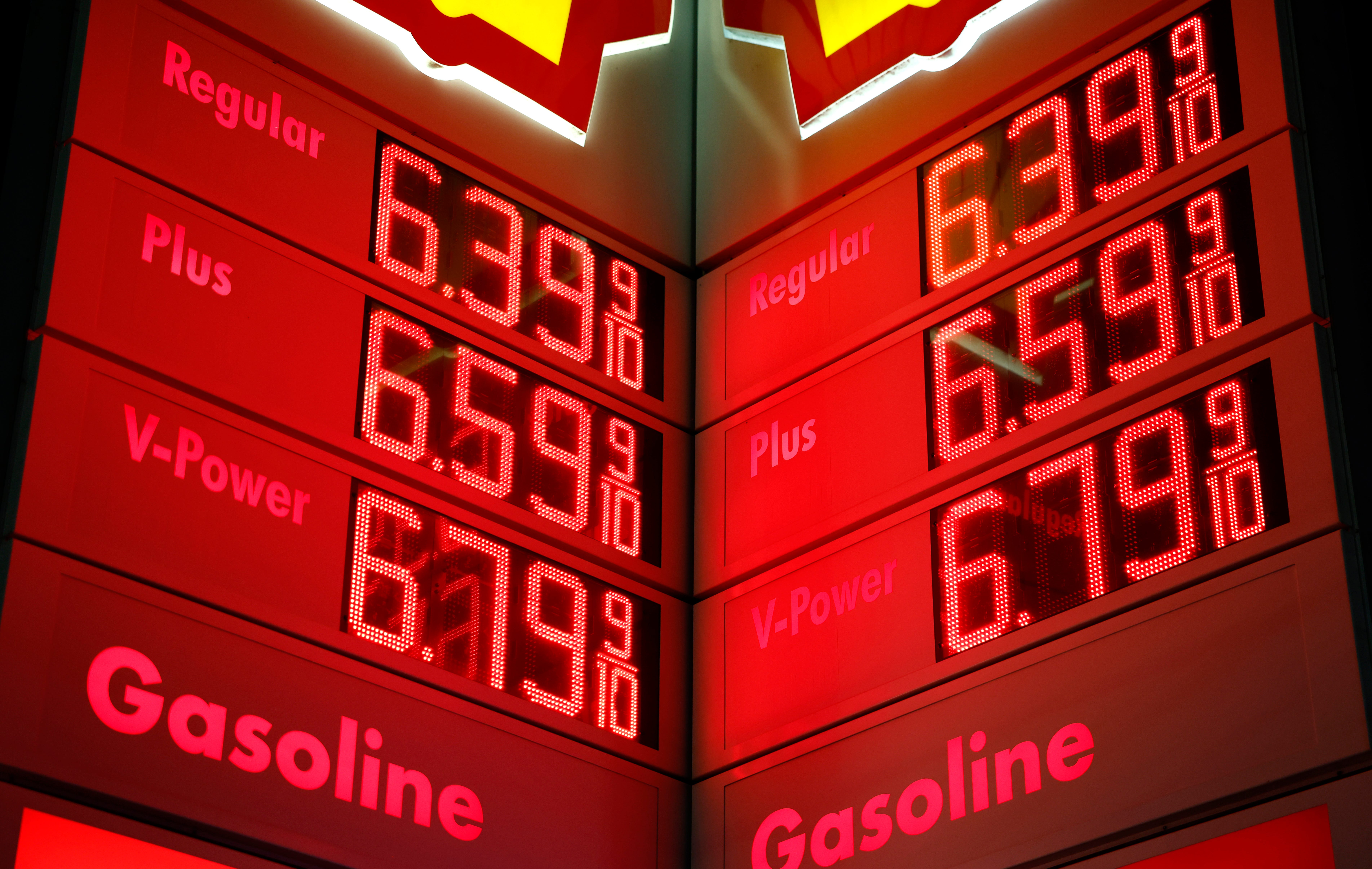
California Drivers Fight Back: Class-Action Lawsuit Targets AI-Powered Gas Pricing
California has long been home to some of the highest gas prices in the United States, and drivers in the state have grown increasingly frustrated trying to understand why. Now, a new class-action lawsuit may have identified a culprit that few consumers would have suspected: artificial intelligence. The suit alleges that AI-powered gas pricing company Kalibrate and the gas station operators that rely on its software are guilty of anti-trust violations that have artificially inflated fuel prices across the state. The case raises profound questions about how algorithmic pricing tools are reshaping everyday markets — and whether they are doing so at the expense of ordinary consumers.
What Is Kalibrate and How Does Its AI Pricing Work?
Kalibrate is a technology company that provides data-driven pricing software to fuel retailers and convenience store operators. The company markets its platform as a way for gas station owners to optimize their pricing strategies using real-time data, competitor benchmarking, and machine learning algorithms. In theory, such tools are designed to help businesses stay competitive in a fast-moving market. In practice, critics argue that when many competing stations in the same region all rely on the same AI platform to set prices, the result can look a lot like coordinated pricing — even if no human ever picked up the phone to discuss rates with a competitor.
This is precisely the concern at the heart of the California lawsuit. The plaintiffs contend that by feeding competing gas stations the same algorithmic recommendations, Kalibrate's software effectively enabled a form of price coordination that, under traditional anti-trust law, would be considered illegal collusion. The key argument is that the AI acts as a shared intermediary — a digital go-between that aligns the pricing behavior of businesses that are supposed to be competing against one another.
The Anti-Trust Argument: When Algorithms Align Competitors
Anti-trust law in the United States was built around the concept of human conspiracies — smoke-filled rooms where executives shake hands on illegal deals. The emergence of AI pricing tools has created a legal gray area that regulators and courts are only beginning to grapple with. Legal scholars often refer to this phenomenon as "algorithmic collusion," and it has attracted growing scrutiny from the Federal Trade Commission and Department of Justice in recent years.
The California case follows a pattern seen in other industries. Similar lawsuits have been filed against AI-assisted pricing platforms used in the rental housing market, the airline industry, and the hotel sector. In one high-profile case, a real estate technology company faced accusations that its revenue management software allowed competing landlords to share sensitive pricing data and coordinate rent increases. Courts are still working through the implications of these cases, and the California gas pricing lawsuit could become a landmark moment in how the law treats AI-enabled coordination.
For the lawsuit to succeed, plaintiffs will generally need to demonstrate that the use of Kalibrate's platform led to prices that were measurably higher than what a truly competitive market would have produced, and that the gas station operators knew — or should have known — that their shared reliance on the software would suppress competition.
Why California Gas Prices Are Already Under a Microscope
California drivers pay a premium for fuel under any circumstances. The state imposes some of the highest gas taxes in the country, mandates a unique blend of cleaner-burning fuel that limits supply flexibility, and has relatively few pipeline connections to other regions. These structural factors have always kept California prices above the national average.
But even accounting for those known factors, California gas prices have at times spiked to levels that economists and consumer advocates find difficult to explain through supply and demand alone. State officials, including the California Energy Commission, have periodically launched investigations into what they describe as an unexplained price "mystery surcharge" that appears to add a significant premium on top of what taxes and refinery costs would logically justify. The AI pricing lawsuit arrives in this context of longstanding suspicion that something beyond normal market forces may be influencing what Californians pay at the pump.
What This Means for Consumers and the Future of AI Pricing
If the lawsuit is successful, it could have sweeping implications not just for Kalibrate and California gas stations, but for the entire ecosystem of AI-powered dynamic pricing tools now embedded in industries ranging from e-commerce to healthcare. Businesses would face new pressure to ensure that their use of third-party pricing software does not inadvertently create anti-competitive outcomes — and technology providers would need to rethink how their algorithms are designed and marketed.
For consumers, the case is a reminder that the invisible hand of the market is increasingly guided by machine learning models that most people never see or understand. When those models are shared across competitors, the line between competition and coordination can blur in ways that are difficult to detect without careful data analysis.
What Happens Next
The lawsuit is still in its early stages, and both Kalibrate and the named gas station operators are expected to contest the allegations. Anti-trust cases involving algorithmic pricing are notoriously complex and can take years to resolve. However, the filing alone sends a signal to the broader industry that AI pricing tools are no longer flying under the legal radar.
As artificial intelligence becomes more deeply embedded in how prices are set across the economy, cases like this one will likely define the boundaries of what is permissible. For now, California drivers filling up at the pump have one more reason to wonder just what — or who — is deciding what they pay.