
FCC Lifts Ban on Super-Cheap Chinese Drones: What Consumers Need to Know
After a period of regulatory uncertainty that left budget drone enthusiasts and toy shoppers frustrated, the Federal Communications Commission (FCC) has officially lifted its ban on inexpensive Chinese-made toy drones. The move signals a significant shift in how the agency views low-cost consumer quadcopters — and it has major implications for shoppers, hobbyists, parents, and retailers across the United States.
If you've ever looked at a brightly colored mini-quadcopter on a store shelf and wondered whether it was legal to bring home, the answer is now a much clearer yes. Here's a full breakdown of what happened, why it matters, and what you should know before you buy.
What Was the FCC Ban All About?
The FCC's original concern centered on radio frequency (RF) interference. Inexpensive Chinese-manufactured drones, particularly the ultra-affordable mini-quadcopters that flood the consumer toy market, were flagged for potentially operating on frequencies that could interfere with other licensed communications. The concern was that these devices — often sold without proper FCC certification — could disrupt everything from Wi-Fi signals to aviation communication systems.
At the height of these concerns, regulators and policymakers were also grappling with broader anxieties about Chinese-made technology entering American consumer markets. Debates around data security, supply chain transparency, and national security created an environment where even a child's toy drone could become a subject of serious regulatory scrutiny.
The ban, while not universally applied with iron-fisted enforcement, created a chilling effect on imports of low-cost drones. Retailers became cautious, importers faced uncertainty, and consumers were left in a gray zone where buying a $30 quadcopter online felt strangely complicated.
Why Did the FCC Change Its Position?
The FCC's reversal comes after a more thorough technical and regulatory review of what these devices actually do — and, importantly, what they don't do. Agency analysis found that the vast majority of inexpensive toy drones operate within acceptable RF parameters and do not pose a meaningful interference risk to critical communication infrastructure.
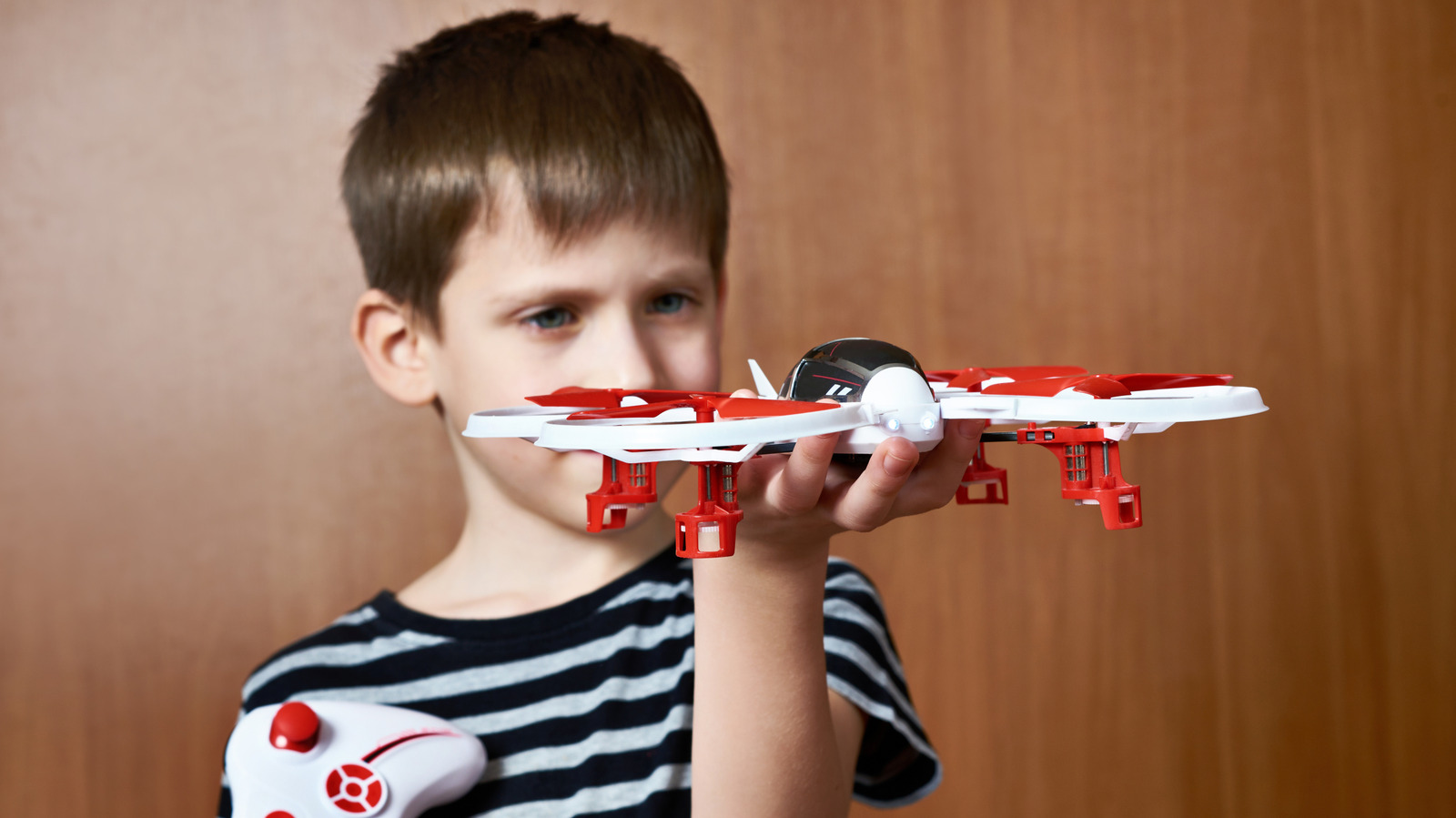
In plain terms: the 6-year-old with a bright blue mini-quadcopter buzzing around the backyard is not a threat to national security or aviation safety. The drones in question are low-powered, short-range, and typically incapable of the kind of sustained or disruptive RF output that would justify a regulatory ban.
Consumer advocacy groups had also pushed back against the restrictions, arguing that applying stringent communication device standards to toy-grade equipment was regulatory overreach that unfairly burdened low-income consumers who rely on the budget end of the market for accessible tech products.
What Does This Mean for the Drone Market?
The lifting of the ban is expected to have a notable ripple effect across the consumer drone ecosystem. Here's what industry watchers anticipate:
- Lower prices: With import restrictions eased, the supply of budget drones is expected to increase, further driving down already-low retail prices and making entry-level quadcopters even more accessible to everyday consumers.
- Greater product variety: Retailers and online marketplaces can now stock a wider range of mini-drone models from Chinese manufacturers without the same level of regulatory risk, meaning more options for shoppers at every price point.
- Increased competition: American and European drone brands operating in the toy and hobby segment will face intensified competition from Chinese counterparts who can produce comparable hardware at a fraction of the cost.
- Market growth: Analysts have long argued that regulatory friction was suppressing the growth of the entry-level drone segment. With the ban lifted, the market could see renewed expansion, particularly among younger consumers and first-time drone flyers.
Are Cheap Drones Safe to Buy and Fly?
The FCC ruling addresses radio frequency compliance — it does not eliminate all regulatory considerations surrounding consumer drones. The Federal Aviation Administration (FAA) maintains its own set of rules governing where and how drones can be flown, and those rules apply regardless of how much your quadcopter cost.
Before you or your child takes a new mini-drone for a spin, keep these key points in mind:
- FAA registration: Drones weighing more than 0.55 pounds (250 grams) must be registered with the FAA, even if they are toys or gifts. Check your drone's weight before assuming registration is not required.
- No-fly zones: Drones cannot be flown near airports, over crowds, or in restricted airspace. Apps like the FAA's B4UFLY can help you check whether your intended flying location is permissible.
- Line of sight rules: FAA regulations generally require that hobbyist drone pilots maintain a direct visual line of sight with their aircraft at all times during flight.
- Battery and build quality: Ultra-cheap drones may use lower-quality lithium batteries. Always charge drones under supervision and follow manufacturer instructions to minimize fire risk.
A Win for Hobbyists and Budget-Conscious Shoppers
At its core, the FCC's decision to lift the ban on super-cheap Chinese drones is a pragmatic acknowledgment that not every affordable piece of consumer electronics represents a regulatory threat. The drone hobby community — particularly beginners who rely on inexpensive hardware to learn the basics of flight before investing in more serious equipment — stands to benefit the most from this change.
Parents shopping for gifts, educators looking for affordable STEM tools, and hobbyists eager to experiment with aerial photography on a tight budget all have reason to welcome the news. The skies, at least at the toy end of the spectrum, just got a little more open.
The Bottom Line
The FCC's decision to lift its ban on inexpensive Chinese-made toy drones represents a meaningful regulatory correction — one grounded in technical evidence rather than generalized security anxiety. As supply chains normalize and retail shelves fill back up with affordable mini-quadcopters, American consumers are regaining access to one of the most popular entry points into the drone hobby. Just remember that while the FCC may no longer have concerns, the FAA's flight rules still apply every time you power up and take off.