
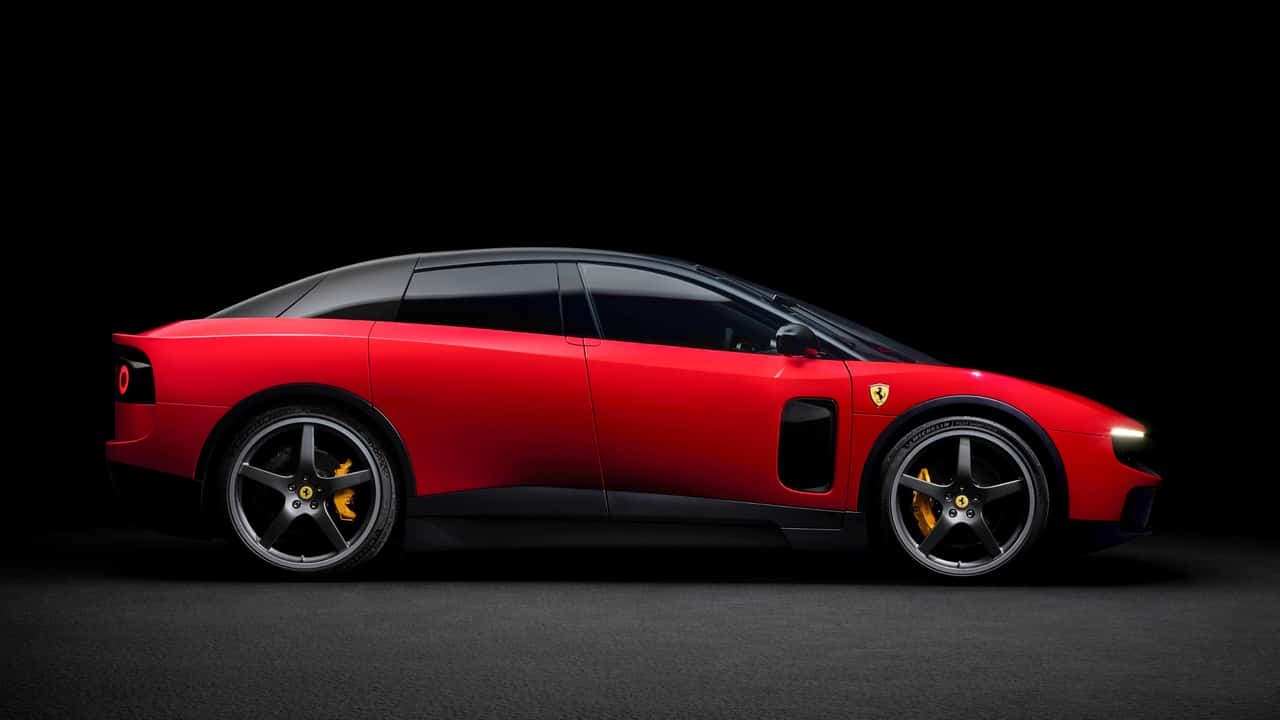
Ferrari Addresses the Rumors: No Forced Purchase of the Luce
In the high-stakes world of luxury supercars, rumors travel almost as fast as the vehicles themselves. The latest story to grip the Ferrari community and automotive press centers on a claim that Ferrari has been pressuring — or outright forcing — customers to purchase the newly unveiled Luce before being granted access to other coveted models in the Italian automaker's lineup. Ferrari's head of marketing, Enrico Galliera, has now stepped forward to personally and firmly deny those claims, calling such a business practice not only untrue but actively damaging to the brand's carefully cultivated reputation.
This clarification comes at a critical moment for Ferrari, as the Luce represents one of the most talked-about and polarizing vehicles the Maranello-based company has introduced in recent years. Understanding what is actually happening — and what is not — matters deeply to prospective buyers, enthusiasts, and investors who follow every move Ferrari makes.
What Is the Ferrari Luce?
Before diving into the controversy, it helps to understand what makes the Luce so significant. Ferrari has long maintained an aura of exclusivity around its product lineup, releasing limited-edition and special-series vehicles that are offered only to loyal, high-spending clients. The Luce fits squarely into this tradition, representing a pinnacle-level offering from the storied Italian manufacturer.
As with many of Ferrari's halo cars, demand for the Luce significantly outstrips supply. That imbalance between desire and availability is precisely the environment in which rumors about allocation policies and purchase requirements tend to flourish. When a brand operates at the intersection of extreme scarcity and extreme desire, speculation about how customers actually secure their cars becomes inevitable.
The Rumor: Were Customers Being Coerced?
The specific claim circulating in enthusiast forums, automotive media, and social channels was pointed: Ferrari was allegedly making it a condition of purchase that customers interested in other desirable models would first have to agree to buy the Luce. This type of arrangement, sometimes referred to in the luxury car world as a "staggered allocation" or informal bundling, is not unheard of across the industry. Some dealerships and even manufacturers have been accused of using highly sought-after vehicles as leverage to move units that might otherwise sit on the lot longer.
For a brand like Ferrari, however, such a tactic would carry enormous reputational risk. Ferrari's entire identity is built on desire, exclusivity, and the idea that ownership is earned through brand loyalty rather than extracted through commercial pressure. The suggestion that customers were being pushed into buying a vehicle they may not have wanted — simply to gain access to one they did — struck many observers as deeply at odds with how Ferrari presents itself to the world.
Enrico Galliera Sets the Record Straight
Ferrari's head of marketing, Enrico Galliera, did not mince words in his response to the swirling rumors. His position was unambiguous: Ferrari is not forcing customers to buy the Luce, and such a policy would be harmful to the company itself. The phrase "it would be harmful to us" is particularly revealing. Galliera is not merely saying the practice is against Ferrari's values in the abstract — he is making a clear-eyed, commercially grounded argument that compelling customers to make unwanted purchases would erode the very trust and loyalty on which Ferrari's business model depends.
This response reflects a sophisticated understanding of the Ferrari customer relationship. The people who buy Ferraris are not ordinary consumers making impulsive decisions. They are, in many cases, multi-decade clients who maintain ongoing relationships with specific dealers and with the broader Ferrari ecosystem. Alienating those clients by forcing their hand on a purchase would carry consequences that no short-term sales gain could offset.
How Ferrari Actually Allocates Its Most Exclusive Models
Understanding how Ferrari genuinely manages allocation helps put Galliera's denial in proper context. Ferrari has long used a client history and loyalty-based system when distributing its rarest and most desirable cars. Buyers who have purchased multiple Ferraris over the years, who attend official events, who participate in Ferrari track programs, and who engage deeply with the brand are typically given priority access to limited-production vehicles.
This system is not without its own criticisms. Some prospective buyers argue that it creates an opaque hierarchy that is difficult to navigate without the right relationships or the right purchase history. But it is fundamentally different from the coercive bundling described in the rumors. Being rewarded for brand loyalty is a very different proposition from being penalized for not purchasing a specific vehicle.
- Client history: Long-term Ferrari customers with significant purchase histories receive preferential access to limited models.
- Event participation: Engagement with Ferrari's official track days, Cavalcade events, and brand experiences plays a role in allocation decisions.
- Dealer relationships: The individual relationship between a buyer and their authorized Ferrari dealer remains a key factor in how allocations are communicated and offered.
- Geographic distribution: Ferrari also balances allocations across markets globally, which can further influence availability in any given region.
Why This Matters Beyond the Luce
The speed and firmness of Ferrari's response to these rumors is itself instructive. Luxury brands live and die by perception, and Ferrari is acutely aware that allowing damaging narratives to go unchallenged can have lasting consequences. By having a senior executive of Galliera's stature address the issue directly, Ferrari is sending a clear signal that it takes the integrity of its customer relationships seriously.
There is also a broader conversation happening in the luxury automotive world about the ethics of allocation practices. Regulatory scrutiny of how high-demand vehicles are sold has increased in several markets, and manufacturers are under growing pressure to demonstrate transparency in how they distribute their most desirable products. Ferrari's proactive denial positions the brand on the right side of that conversation.
The Bottom Line for Ferrari Customers and Enthusiasts
For those hoping to one day own a Ferrari — whether that dream involves the Luce specifically or another model in the lineup — Galliera's statement offers meaningful reassurance. The path to Ferrari ownership remains what it has traditionally been: building a relationship with the brand, demonstrating genuine enthusiasm, and working through authorized channels with patience and commitment.
What it does not involve, according to Ferrari's own marketing chief, is being pressured into purchasing a vehicle simply to unlock access to another. The rumors have been addressed, the record has been set straight, and Ferrari's position is clear. Whether the enthusiast community fully accepts that clarification will likely depend on the experiences of individual customers in the months and years ahead — but for now, Ferrari has spoken, and the message is unambiguous.