
The Hidden Cost of Going Electric: Why EV Repairs Are 20% More Expensive
Electric vehicles have been marketed for years as the smarter, cheaper, and cleaner alternative to petrol and diesel cars. Lower fuel costs, reduced road tax, and fewer moving parts have all been cited as compelling financial arguments for making the switch. But a growing body of evidence is revealing a significant sting in the tail for EV owners: when things go wrong after a crash, the repair bill is substantially higher than most people expect.
According to data from accident management specialist AX, the average cost to repair an electric vehicle following a collision stands at £6,363. That figure is roughly 20% higher than the equivalent cost for a traditional internal combustion engine (ICE) vehicle. For drivers who made the leap to electric partly on financial grounds, this is a sobering reality check — and one the industry has been slow to publicise.
Breaking Down the Numbers: What Does a £6,363 Repair Bill Actually Mean?
To put that figure into context, the average repair cost for a petrol or diesel car after a crash sits several hundred pounds below the EV equivalent. While a few hundred pounds might not sound catastrophic in isolation, it reflects a structural pricing difference that compounds across the entire EV ownership lifecycle — and one that feeds directly into insurance premiums, write-off thresholds, and long-term running costs.
The gap is not a coincidence. It stems from a combination of factors unique to electric vehicle design, technology, and the current state of the automotive repair industry. Understanding those factors is essential for anyone considering an EV purchase, or already driving one.
Why Are Electric Vehicle Repairs So Much More Expensive?
1. Battery Pack Damage Is Expensive and Complex
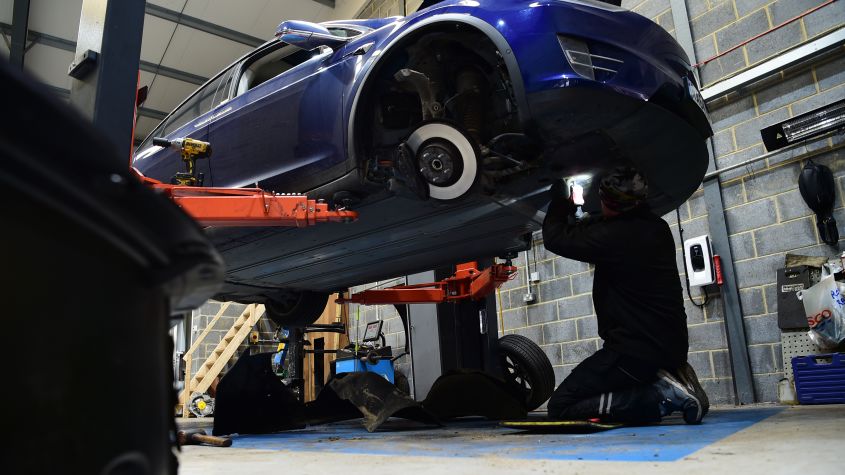
The single biggest driver of elevated EV repair costs is the battery pack. In most electric vehicles, the battery sits beneath the floor of the car, making it highly vulnerable in a collision — even a relatively minor one. Assessing battery damage is not straightforward. Unlike a crumpled bumper or a broken headlight, battery damage is not always visible to the naked eye. Technicians must carry out detailed diagnostic checks to determine whether the pack is structurally compromised, and those checks take time and specialist equipment.
When a battery pack does need replacing or repairing, the cost can be eye-watering. Even partial damage can require a full pack replacement in many cases, because manufacturers often treat the battery as a single sealed unit rather than a collection of individually serviceable cells. A replacement battery alone can run into the tens of thousands of pounds, frequently pushing vehicles beyond the point of economic repair.
2. Specialist Labour and a Shortage of Trained Technicians
Working on electric vehicles requires specialised training. High-voltage systems pose a genuine safety risk, and not every garage or bodyshop is equipped — or certified — to handle them. The pool of qualified EV technicians remains far smaller than the pool of mechanics trained on conventional vehicles, and that supply-and-demand imbalance pushes labour rates higher.
As the EV parc on UK roads grows, the repair industry is scrambling to upskill, but the process takes time. In the interim, EV owners are effectively paying a premium for the scarcity of expertise available to fix their vehicles.
3. Proprietary Parts and Longer Lead Times
Electric vehicles — particularly those from newer manufacturers — often rely on proprietary components that are not interchangeable with parts from other brands. These parts must be sourced directly from the manufacturer or approved suppliers, which can mean longer wait times and inflated prices compared to the mature, competitive parts market that exists for ICE vehicles.
Longer repair times also translate into higher costs for courtesy cars or alternative transport, adding an indirect financial burden on top of the direct repair bill.
4. Advanced Technology Means More to Replace
Modern EVs are laden with sensors, cameras, and driver-assistance systems — many of which are integrated into body panels, bumpers, and mirrors. Even a low-speed collision that causes relatively minor cosmetic damage can require recalibration or outright replacement of multiple electronic systems. Each of those systems carries its own parts and labour costs, and the cumulative effect significantly inflates what might otherwise have been a modest repair job.
The Knock-On Effect on Insurance Premiums
Higher repair costs do not stay confined to the garage invoice. Insurance companies price their products based on actuarial risk, and repair cost is a central variable in that calculation. As claims data for EVs continues to show higher average payouts, insurers have responded by raising premiums for electric vehicle policies. This is already a well-documented trend in the UK market, with many EV drivers reporting substantially higher insurance quotes than they faced with their previous petrol or diesel vehicles.
For drivers who factored lower running costs into their decision to go electric, a steep insurance premium can erode — or entirely eliminate — the savings they expected to make.
What Can EV Owners Do to Protect Themselves?
Awareness is the first and most important step. Drivers should go into EV ownership with a clear understanding that post-collision costs are likely to be higher, and factor this into their overall financial planning. Choosing a policy with a manageable excess, checking whether your insurer has specialist EV repair partnerships, and keeping up with manufacturer service schedules can all help mitigate the risk.
It is also worth considering gap insurance, particularly for new EV purchases. Given that battery damage can quickly push a vehicle into write-off territory, gap cover ensures you are not left significantly out of pocket if your car is declared a total loss shortly after purchase.
The Bigger Picture: An Industry Playing Catch-Up
The 20% repair cost premium is, in many ways, a symptom of an industry that has not yet fully adapted to the vehicles it is being asked to service. As training programmes expand, as parts supply chains mature, and as more bodyshops gain EV certification, there is reason to expect the gap will narrow over time. Some manufacturers are also beginning to redesign battery architecture in ways that make modular repairs more feasible, which could reduce replacement costs significantly in future generations of vehicles.
But for the thousands of EV drivers on UK roads today, those improvements remain on the horizon. Right now, the financial reality is clear: electric vehicles remain a compelling choice in many respects, but the hidden cost of higher repair bills is one that every prospective and current owner deserves to understand before they get behind the wheel.