
The Growing Role of Computers in Modern Vehicles
Not long ago, a car was a relatively simple machine. You turned a key, pressed a pedal, and drove. Today, the average new vehicle contains over 100 million lines of software code — more than a modern fighter jet. From adaptive cruise control to over-the-air software updates, the automobile has quietly become one of the most sophisticated computing devices most people will ever own. But there is, of course, a critical difference between what we need and what we want — and that distinction is becoming harder to navigate in the modern showroom.
What Your Car Actually Needs: Safety-Critical Systems
Before we question how much technology is too much, it is worth acknowledging the computing features that have genuinely saved lives. Modern vehicles rely on electronic systems to perform functions that were either impossible or dangerously imprecise for analog hardware alone.
- Anti-lock Braking Systems (ABS) use wheel-speed sensors and a dedicated control unit to prevent wheel lockup during emergency stops, dramatically improving steering control under hard braking.
- Electronic Stability Control (ESC) monitors vehicle dynamics dozens of times per second and applies selective braking to individual wheels when a skid is detected.
- Automatic Emergency Braking (AEB) uses forward-facing cameras and radar to identify imminent collisions and apply brakes faster than any human reaction time allows.
- Blind-spot monitoring and lane-keeping assistance reduce accidents caused by driver inattention on highways and urban roads alike.
These systems represent computing power at its most justifiable. They exist not to entertain or impress but to intervene when human limitations create danger. Most safety advocates, regulators, and insurers agree that these technologies have had a measurable, positive effect on road fatality rates. Here, the computer earns its place without debate.
The Gray Zone: Convenience Technology
Beyond safety, the automotive computer starts operating in murkier territory. Convenience features like adaptive headlights, automatic parking assist, traffic-aware navigation, and remote start through a smartphone app all offer genuine quality-of-life improvements. Most drivers who use these features regularly would not want to give them up.
However, convenience technology comes with hidden trade-offs. These systems add complexity to vehicles, which can translate into higher repair costs, longer service windows, and software bugs that may require dealer visits or over-the-air patches. A malfunctioning parking sensor or a navigation system that refuses to load can turn a minor inconvenience into an all-day ordeal at a service center.
There is also the question of reliability over time. A mechanical handbrake rarely fails after a decade of use. An electronically actuated parking brake, by contrast, is only as dependable as the software and actuators behind it. For many buyers, that is an acceptable trade-off. For others, it represents an unnecessary layer of things that can go wrong.
The Infotainment Arms Race
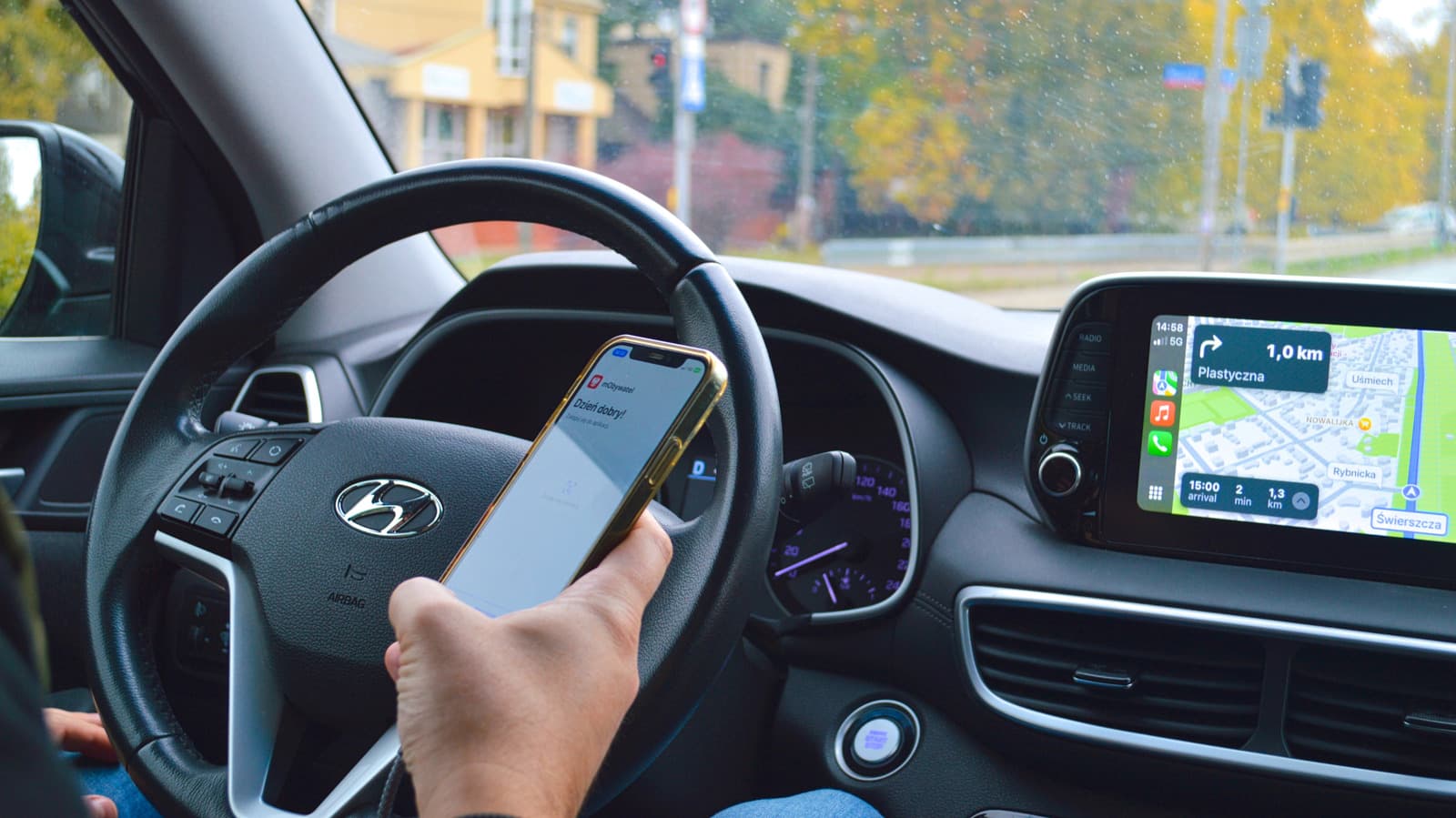
If safety systems are universally appreciated and convenience features are broadly welcome, infotainment technology is where opinions diverge most sharply. Modern vehicles from nearly every mainstream brand now ship with large touchscreen displays, integrated streaming services, voice assistants, smartphone mirroring, and in some cases, rear-seat entertainment systems that rival home theater setups.
The appeal is obvious. A well-designed infotainment system makes long drives more enjoyable, keeps passengers occupied, and integrates seamlessly with the digital lives most people lead outside of their cars. Apple CarPlay and Android Auto have made the in-car smartphone experience genuinely pleasant for millions of drivers worldwide.
But the criticism is equally valid. Oversized touchscreens have replaced physical buttons and knobs for climate control, audio volume, and even hazard lights in some vehicles. Consumer Reports and several independent safety researchers have found that touchscreen-based interfaces require significantly more visual attention than tactile controls — precisely the wrong trade-off when the task at hand is driving at highway speeds. The computer, in this case, may be actively working against safety rather than for it.
Software-Defined Cars and Subscription Features
The newest frontier of automotive computing is the software-defined vehicle — a car designed from the ground up to have its capabilities expanded, restricted, or monetized through software after the point of sale. Tesla popularized this model, and legacy automakers are rapidly following.
The implications are significant. Heated seats available via monthly subscription, self-driving features that can be unlocked with a one-time payment, and performance modes tied to software tiers are all real products on the market today. For some buyers, this flexibility is appealing. For many others, paying for hardware that is physically present in your vehicle but artificially locked behind a paywall feels fundamentally dishonest.
Finding the Right Balance for Your Needs
So how much computer do you actually want in your car? The honest answer depends entirely on your priorities, your tolerance for complexity, and how you use a vehicle day to day.
- If safety is your primary concern, prioritize vehicles with comprehensive active safety suites and well-tested driver assistance features.
- If long-term reliability matters most, look for brands with strong software track records and transparent over-the-air update policies.
- If simplicity appeals to you, there are still vehicles on the market — particularly in the compact and budget segments — that offer physical controls, minimal subscription requirements, and straightforward ownership experiences.
- If you genuinely enjoy connected technology, modern infotainment platforms offer remarkable integration with the digital tools you already use daily.
The car industry's answer to "how much computer do you want?" has been, for several years now, "as much as we can fit." It is worth remembering that the consumer still has the final vote — and that asking the question carefully before signing a purchase agreement is one of the smartest things any buyer can do.
The Road Ahead
Automotive computing will only become more pervasive. Autonomous driving systems, vehicle-to-infrastructure communication, and AI-powered driver monitoring are all moving from concept to production. The technology itself is not inherently good or bad — it is a tool, and like any tool, its value depends entirely on how thoughtfully it is designed and how purposefully it is applied. The best automotive computers are the ones you never think about, quietly keeping you safe while you focus on the road. The worst are the ones demanding your attention precisely when you cannot afford to give it.