
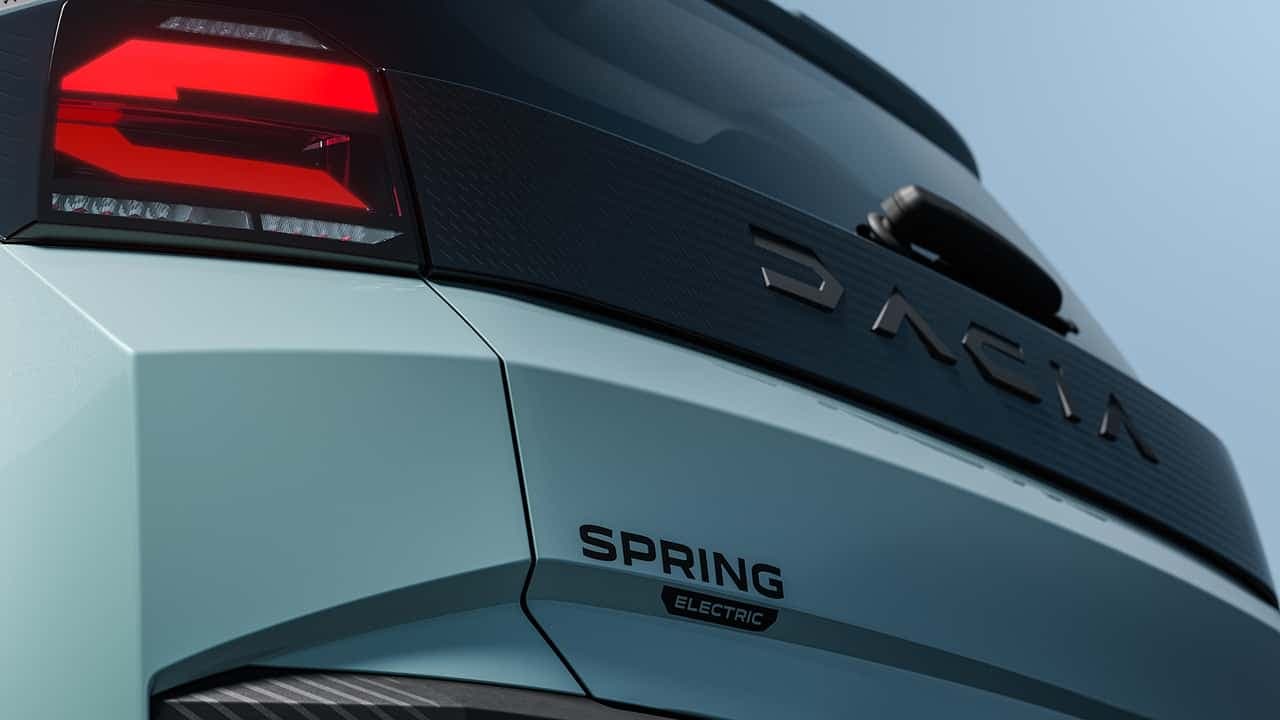
The Dacia Spring Is Getting a Major Overhaul — And It Starts With Where It's Built
When Dacia introduced the original Spring, it made waves for one very simple reason: it was brutally affordable. In a market where electric vehicles were rapidly becoming synonymous with premium price tags, Dacia offered a no-frills, genuinely accessible EV that everyday drivers across Europe could actually consider buying. It wasn't perfect, but it was honest — and that mattered.
Now, the next generation of the Dacia Spring is on its way, and while it will keep the same name and the same promise of accessibility, nearly everything else is changing. Most significantly, production is leaving China and moving to Europe. That's not just a logistical footnote — it's a fundamental shift that will affect the car's cost structure, its political positioning, and how it's perceived by consumers and regulators alike.
Why Production Is Moving From China to Europe
The original Dacia Spring was manufactured in China by Renault's partner Dongfeng, a setup that made financial sense at the time and allowed Dacia to keep the sticker price remarkably low. However, the automotive and political landscape has shifted considerably since that arrangement was put in place.
The European Union's decision to impose significant tariffs on electric vehicles imported from China has fundamentally changed the economics of that production model. Chinese-made EVs, regardless of the brand name on the badge, now face steep additional duties when entering the European market. For a vehicle whose entire value proposition rests on being cheap, absorbing those tariffs without destroying the price point is simply not viable.
By relocating manufacturing to Europe, Dacia sidesteps those import costs and keeps the Spring eligible to be sold as a European-made product — a label that carries increasing weight both commercially and politically. The move also aligns the brand with a broader push across the industry to reduce dependency on Chinese manufacturing for vehicles sold in the EU.
What Stays the Same: Small, Affordable, and Practical
Despite all the changes happening under the hood and behind the scenes, Dacia is not abandoning what made the Spring a success in the first place. The car will remain compact and city-friendly, designed for urban commuters and budget-conscious buyers who need reliable, low-cost mobility rather than a showpiece of cutting-edge technology.
Affordability will still be the cornerstone of the Spring's identity. Dacia's entire brand philosophy is built around delivering value without unnecessary frills, and there's no indication that the next generation will stray from that formula. If anything, the pressure to maintain a competitive price point — even with production moving to higher-cost European facilities — will push Dacia's engineers and supply chain teams to be more creative and disciplined than ever.
The Spring is also expected to remain one of the smallest EVs on the European market, which is itself a practical advantage. Tight urban parking, congested city streets, and short daily commutes are precisely where a vehicle like this thrives, and the next model is unlikely to grow dramatically in size or complexity.
What's Changing: More Than Just a New Address
Moving production to Europe doesn't just change where the cars are assembled — it changes how the car is built, what components are used, and potentially how the vehicle performs. European manufacturing often comes with higher labor and operational costs, which means Dacia will need to offset those expenses elsewhere in the production process.
This could mean updated platform architecture, revised battery technology, or new supplier partnerships to bring costs in line. The next Spring may benefit from more modern underpinnings than its predecessor, which was widely criticized for feeling somewhat dated even when it launched. A new generation of battery cells, improved charging capabilities, and a more refined driving experience are all on the table — and all would represent meaningful upgrades over the outgoing model.
The move to European production could also open the door to additional government incentives for buyers. Several EU countries offer purchase subsidies specifically for locally manufactured EVs, and a European-built Spring would qualify where the Chinese-built version did not. That's a quietly significant advantage for Dacia as it competes for budget-conscious buyers who are weighing every euro.
The Bigger Picture: Dacia's Role in Europe's EV Transition
The Dacia Spring has always played a unique and important role in Europe's shift toward electric mobility. While premium automakers have dominated the conversation with expensive long-range models, Dacia has quietly served a segment of the market that those brands simply don't reach: people for whom a €30,000 electric car is not an option, and never will be.
That segment is enormous. Millions of European households need practical, affordable daily transportation, and the transition to electric vehicles only works at scale if budget-friendly options exist. The next Dacia Spring, produced in Europe and designed to maintain a low purchase price, is positioned to continue filling that gap — and potentially to fill it better than before.
What Buyers Should Watch For
As the next-generation Dacia Spring moves toward its official reveal and eventual launch, there are several key details worth tracking closely.
- Final pricing: Will Dacia manage to keep the car genuinely affordable despite the higher cost of European production? The answer will define whether the Spring remains a mass-market option or drifts upmarket.
- Battery range: The original Spring's range was modest, which suited city use but limited its appeal for longer trips. An improved battery pack would significantly broaden the car's audience.
- Production location specifics: Which European plant will build the new Spring, and will that location qualify the vehicle for regional purchase incentives?
- Launch timeline: No firm date has been confirmed, but expectations are building for a reveal in the near future as Dacia continues to expand and modernize its lineup.
A Small Car Carrying Big Expectations
The next Dacia Spring may be small, but it carries an outsized responsibility. It needs to prove that affordable, European-made EVs are not just possible but commercially viable. It needs to hold its price point without sacrificing the improvements that buyers and critics have long been asking for. And it needs to do all of this in a market that is moving faster and becoming more competitive with every passing month.
Same name. Very different car. The question is whether Dacia can pull off one of the most challenging balancing acts in the current EV market — and by all early indications, they're giving it a serious try.