
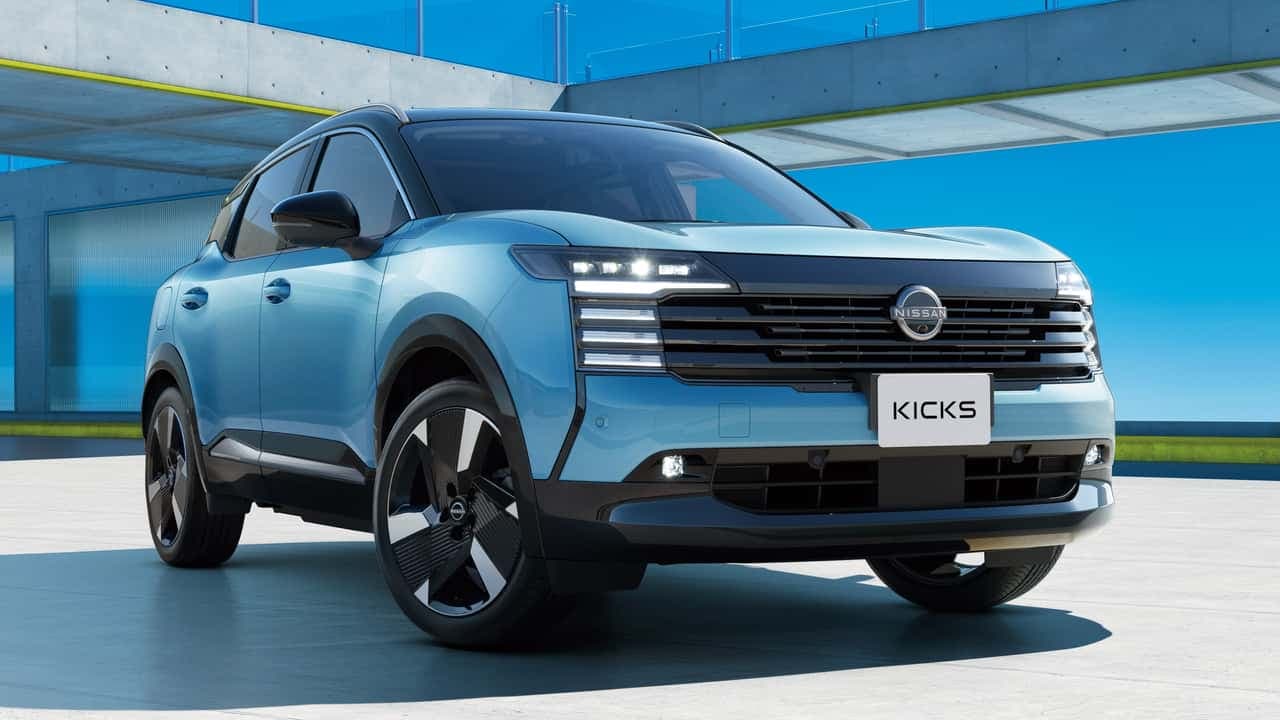
Nissan's Kicks Gets a Hybrid Upgrade—Just Not Where You Might Expect
Nissan has been quietly making moves in the global compact SUV segment, and the latest development is turning a few heads—and raising more than a few eyebrows among American car buyers. The Nissan Kicks, the brand's smallest SUV offering, is getting a long-overdue hybrid powertrain. The catch? If you live in the United States, you won't be seeing it at your local dealership anytime soon. While international markets are set to benefit from improved fuel efficiency and a more modern drivetrain, American consumers are being left with the familiar—and increasingly aging—naturally aspirated 2.0-liter four-cylinder engine. So what's going on, and what does this mean for the future of the Kicks in the U.S.?
What Is the Nissan Kicks?
For those who may not be familiar, the Nissan Kicks is the Japanese automaker's entry-level SUV, slotting below the Rogue Sport and the full-size Rogue in the brand's lineup. First introduced globally in 2016 and arriving in the United States for the 2018 model year, the Kicks was designed to offer an affordable, fuel-conscious alternative to the increasingly crowded compact crossover segment. It competes with vehicles like the Honda HR-V, Hyundai Venue, Kia Soul, and Toyota Corolla Cross.
In the U.S. market, the Kicks has been powered by a naturally aspirated 2.0-liter four-cylinder engine paired with a continuously variable transmission (CVT). It's a perfectly adequate setup for urban commuting and light daily driving, but it's hardly exciting, and it puts Nissan at a disadvantage as competitors push forward with electrified options. The current engine produces around 149 horsepower, which is modest by any standard in today's market.
The Hybrid Version: What Global Markets Are Getting
Overseas, Nissan has taken a decidedly different approach with the Kicks. In markets across Asia, Latin America, and parts of the Middle East, Nissan is introducing a hybrid variant of the Kicks that promises significantly better fuel economy and a more refined driving experience. The hybrid system is expected to combine a smaller displacement petrol engine with an electric motor, allowing for reduced fuel consumption without sacrificing everyday usability.
This kind of electrified setup is becoming the norm rather than the exception in the global compact SUV space. Automakers across the board—from Toyota to Hyundai—have been aggressively rolling out hybrid variants of their most popular models. Nissan's decision to bring the Kicks hybrid to select international markets signals that the company recognizes the demand for more efficient vehicles, even if it doesn't yet feel the same urgency in the U.S.
Why Is America Being Skipped?
This is the question most American Nissan fans are asking, and it's a fair one. The reasons why the hybrid Kicks isn't coming to the United States are likely a combination of market strategy, cost considerations, and the broader trajectory of Nissan's U.S. product roadmap.
- Market segmentation: Nissan may believe that American consumers in this price bracket are still primarily focused on upfront cost rather than long-term fuel savings, making the investment in a hybrid system harder to justify for a budget-oriented model.
- Internal competition: Nissan already sells the Rogue Hybrid and has future electrified products in its pipeline. Adding a Kicks hybrid could create internal competition and cannibalize sales within its own lineup.
- Development costs: Certifying and homologating a new powertrain for the U.S. market is an expensive and time-consuming process. For a volume-sensitive entry-level model, Nissan may have decided the return on investment simply doesn't pencil out.
- EV push: Nissan has historically positioned itself as a full-EV brand in some segments, thanks to the Nissan Leaf. The company may be looking to leapfrog hybrid technology altogether and push buyers toward fully electric options in the longer term.
What This Means for American Compact SUV Shoppers
For American buyers who were hoping for a more fuel-efficient Kicks, this news is undeniably disappointing. The compact SUV segment in the U.S. is fiercely competitive, and rivals are not standing still. The Toyota Corolla Cross, for example, already offers a hybrid variant with impressive fuel economy figures. Similarly, the Hyundai Kona Hybrid provides consumers with a compelling electrified package at a reasonable price point.
Without a hybrid option, the Nissan Kicks risks falling further behind in the eyes of fuel-conscious shoppers. While the vehicle still has merits—including its comfortable ride, user-friendly tech features, and value pricing—the absence of an electrified powertrain is a glaring omission in a market that is rapidly shifting toward efficiency-first thinking.
Is a Future U.S. Hybrid Kicks Still Possible?
It would be premature to completely rule out a U.S.-spec Kicks hybrid down the road. Automakers frequently adjust their product strategies based on market feedback, regulatory pressure, and competitive dynamics. If fuel economy standards tighten further or if consumer demand for electrified compact SUVs surges, Nissan could reconsider its position. The infrastructure for the hybrid powertrain already exists internationally, which means the barrier to bringing it stateside is more about business will than engineering capability.
The Bigger Picture: Nissan's Electrification Strategy in the U.S.
Nissan's decision with the Kicks is part of a broader, sometimes puzzling narrative around the brand's electrification strategy in the American market. While Nissan was once a pioneer in mainstream EV adoption with the Leaf, the company has seemed to lose momentum in recent years as competitors like Tesla, Hyundai, and Kia have stepped up their electric offerings. The Ariya, Nissan's flagship electric crossover, has struggled to gain significant market traction, and the brand's overall lineup feels like it's in a transitional phase without a clear destination.
Bringing a hybrid Kicks to the U.S. could have served as an accessible, affordable entry point into Nissan's electrified ecosystem—a stepping stone between traditional combustion engines and fully electric vehicles. By bypassing that opportunity, Nissan may be missing a chance to build consumer trust and brand association with fuel-efficient technology among everyday buyers.
Bottom Line
The Nissan Kicks hybrid is a genuinely exciting development for global markets, offering consumers a more modern, efficient compact SUV that aligns with where the automotive world is heading. But for American buyers, it's a case of watching the party from outside the window. With the U.S. market retaining the old 2.0-liter naturally aspirated setup, the Kicks faces an uphill battle against increasingly electrified competition. Whether Nissan eventually brings the hybrid stateside remains to be seen, but for now, shoppers looking for a fuel-efficient small SUV may need to look elsewhere.