
Rivian Lays Off Hundreds of Workers Just One Week After R2 Launch
In a move that has sent ripples through the electric vehicle industry, Rivian Automotive has laid off hundreds of employees from its service and customer division, according to a report from The Wall Street Journal. The timing of the cuts — coming less than a week after the high-profile launch of the company's much-anticipated R2 SUV — has raised significant questions about the EV maker's financial strategy, operational priorities, and long-term stability.
For a company that has positioned itself as one of the most promising challengers in the electric vehicle space, this wave of layoffs signals a sobering reality: even amid product excitement and consumer buzz, the path to profitability in the EV industry remains steep, expensive, and unforgiving.
What We Know About the Rivian Layoffs
According to The Wall Street Journal, the layoffs targeted employees specifically within Rivian's service and customer division. While the exact headcount has not been officially confirmed by Rivian, reports indicate that the cuts number in the hundreds — a substantial reduction for a company of its size. The affected workers were reportedly notified on a Tuesday, marking an abrupt end to what had been a week of otherwise celebratory news for the automaker following the R2 reveal.
Rivian has not publicly detailed the full scope or rationale behind the decision in granular terms, but the cuts are widely interpreted as part of a broader effort to reduce operating costs, streamline the organization, and bring spending more in line with the company's revenue realities as it attempts to scale production.
The R2 Launch: A Milestone Overshadowed
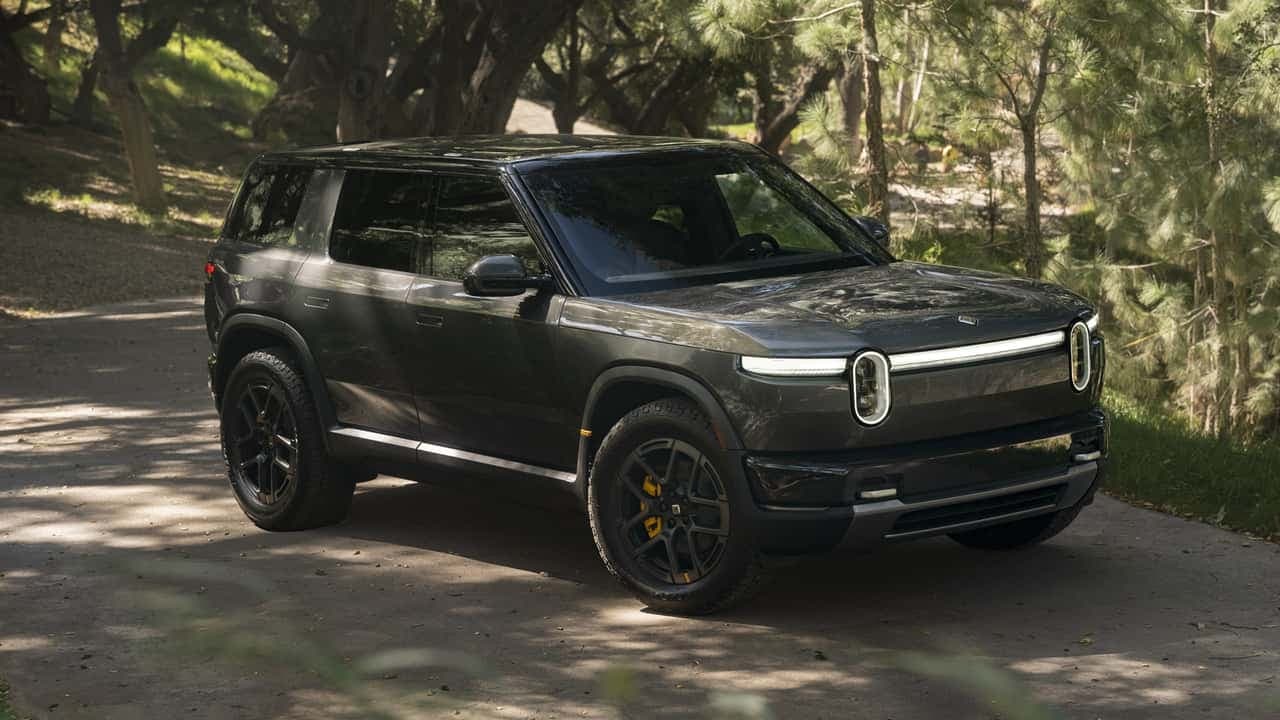
The Rivian R2 had been one of the most eagerly awaited reveals in the EV world. Priced significantly lower than Rivian's existing R1T pickup and R1S SUV, the R2 is designed to appeal to a broader, more mainstream market segment — a critical step if Rivian hopes to move beyond its niche of adventure-oriented, premium EV buyers.
The R2's launch event generated substantial enthusiasm, with Rivian reporting strong pre-order interest shortly after the vehicle was unveiled. Industry analysts praised the company for targeting a more accessible price point in a market where affordability has become one of the defining competitive battlegrounds. For many observers, the R2 represented Rivian's best shot yet at achieving the kind of sales volume necessary to drive down per-unit costs and inch toward profitability.
Yet the layoffs that followed just days later cast a shadow over that optimism. The juxtaposition of a flashy product launch with a significant workforce reduction tells a complicated story — one that is becoming increasingly familiar across the EV sector.
A Broader Trend of EV Industry Layoffs
Rivian is far from alone in facing these pressures. The electric vehicle industry as a whole has experienced a notable wave of workforce reductions over the past couple of years, as companies grapple with slowing consumer demand growth, high interest rates that make financing new vehicles more expensive, and the enormous capital requirements of building out manufacturing infrastructure.
Tesla, once the undisputed leader of EV optimism, made headlines with its own significant rounds of layoffs. Ford's electric vehicle division, Ford Model e, has reported billions in losses. Even General Motors has scaled back some of its EV ambitions. For startups like Rivian, which lack the financial cushion of century-old legacy automakers, the pressure is even more acute.
- High manufacturing costs continue to squeeze margins on every vehicle sold.
- Supply chain complexity makes it difficult to ramp production quickly without incurring significant overhead.
- Consumer adoption rates, while growing, have not met the aggressive projections that fueled early investor enthusiasm.
- Competition from both established automakers and aggressive Chinese EV brands is intensifying rapidly.
These structural challenges mean that even companies with strong products and loyal followings must make hard decisions about where to allocate limited resources.
What This Means for Rivian's Future
The layoffs in the service and customer division are particularly noteworthy because that area of the business is directly tied to owner experience and brand loyalty — two things Rivian has historically prided itself on. Rivian has cultivated a devoted community of owners who frequently cite the company's customer service as a differentiator from legacy automakers. Any degradation in that experience could have reputational consequences that outlast the short-term cost savings.
At the same time, it is important to contextualize these cuts within the company's broader financial journey. Rivian has been working to negotiate a path toward profitability, and cost discipline is an unavoidable part of that equation. The company has previously undertaken restructuring efforts, including an earlier round of layoffs in 2024, suggesting that this latest round is part of an ongoing recalibration rather than a sudden crisis response.
Rivian's partnership with Volkswagen Group, announced in 2024 and valued at up to $5 billion, also provides a meaningful financial backstop and technology collaboration opportunity that many pure EV startups lack. That relationship could prove vital as Rivian works to fund the R2's production ramp and develop its next-generation vehicle platform.
Looking Ahead
The coming months will be critical for Rivian. The success of the R2 — both in terms of sustained pre-order conversion and eventual production execution — will go a long way toward determining whether the company can establish itself as a durable player in the EV market or whether it will continue to face the existential pressures that have already claimed several of its EV startup peers.
For the hundreds of workers who lost their jobs this week, the timing is a painful reminder that behind every product launch announcement are real people navigating real uncertainty. And for the broader EV industry, Rivian's situation is yet another data point illustrating just how difficult it is to build a sustainable electric vehicle business from the ground up — no matter how compelling the product on the stage might be.