
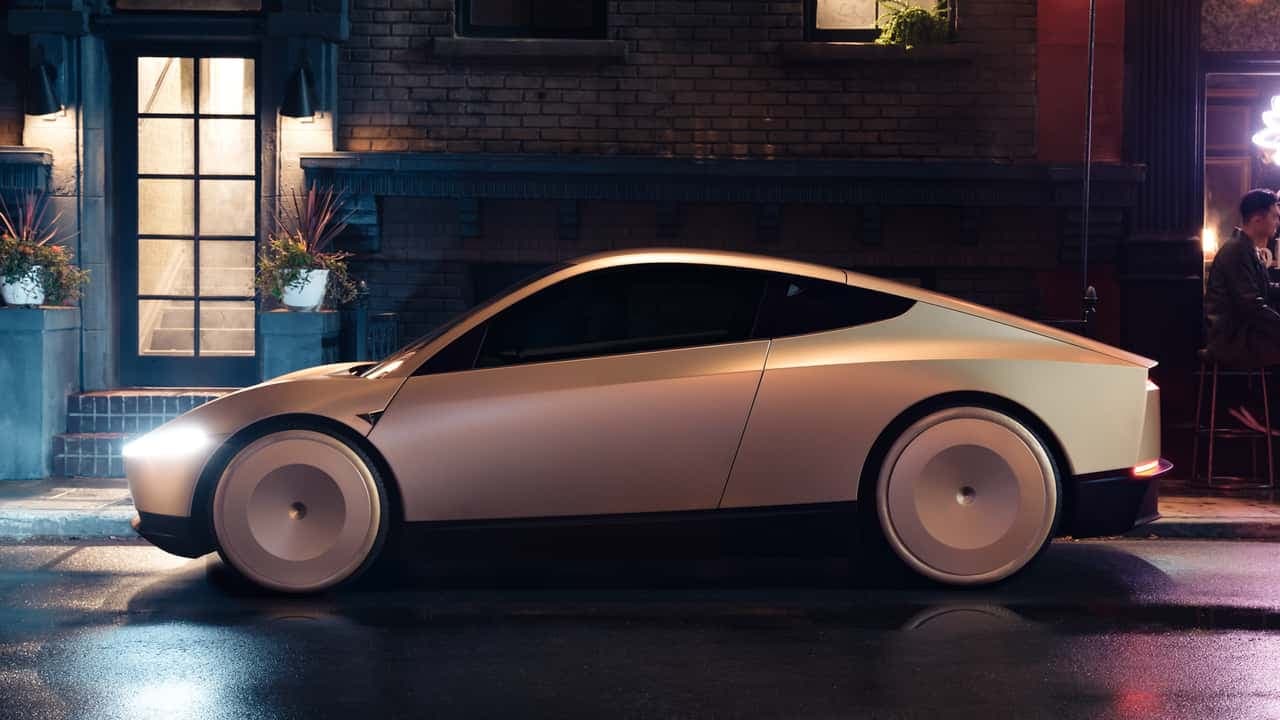
Tesla Cybercab Specs Are Finally Here—And They're Impressive
After months of speculation, teaser events, and carefully curated glimpses, the Tesla Cybercab is stepping out of the shadows in a significant way. Newly surfaced EPA documents have pulled back the curtain on some of the most anticipated specifications for Tesla's upcoming autonomous robotaxi—and the headline figure is turning heads across the automotive world. The Cybercab is rated at an extraordinary 418 miles of range, and it achieves that milestone with a battery pack that is notably smaller than what you'd find in Tesla's existing lineup. For anyone watching the electric vehicle space closely, this is a development worth unpacking in detail.
What the EPA Documents Actually Reveal
Official EPA filings are among the most reliable early sources of vehicle data because automakers are legally required to submit accurate technical information before a model can be sold in the United States. The documents tied to the Tesla Cybercab confirm range, efficiency, and battery configuration details that Tesla itself had not yet publicly announced in full. This kind of regulatory disclosure has become a reliable way for automotive enthusiasts and analysts to get ahead of official press releases, and in the case of the Cybercab, the numbers delivered something genuinely surprising.
The 418-mile range figure places the Cybercab in elite company. To put that in perspective, the Tesla Model S Long Range—long considered one of the most efficient and capable EVs on the market—delivers around 405 miles on a full charge. The Cybercab appears to match or exceed that benchmark while operating from a battery that is smaller in capacity. That combination points to a vehicle engineered from the ground up for maximum efficiency, which makes sense given its intended role as a high-utilization autonomous taxi platform.
Why Range Matters So Much for a Robotaxi
For a personal vehicle, 418 miles of range is a luxury—most drivers rarely need more than 200 to 300 miles between charges. But for an autonomous robotaxi operating continuously across a city, range becomes a direct factor in profitability and service reliability. Every hour a Cybercab spends charging is an hour it is not generating revenue or serving passengers. A vehicle capable of 418 miles per charge can operate far longer between charging sessions than a competitor rated at, say, 250 or 300 miles.
Tesla's robotaxi ambitions hinge on the Cybercab being as operationally efficient as possible. Lower downtime, longer active hours, and fewer charging interruptions are all competitive advantages in the fleet deployment model Tesla has been vocal about pursuing. Seen through that lens, the range figure is not just a spec sheet trophy—it is a core business asset.
A Small Battery Doing Big Work
Perhaps the most technically interesting aspect of the Cybercab's EPA disclosure is the efficiency implied by pairing a high-range rating with a comparatively small battery. Tesla has not yet officially confirmed the exact battery capacity in kilowatt-hours, but early regulatory and supply chain signals suggest the pack is notably compact relative to the range it delivers. That level of efficiency points to several possible engineering advantages working in combination.
- Reduced vehicle weight: The Cybercab's two-seat, purpose-built design strips away weight that full-size passenger vehicles carry. Less mass means less energy needed to move the vehicle, directly improving range per kilowatt-hour.
- Aerodynamic optimization: Tesla's design team has long prioritized drag reduction, and the Cybercab's form factor—built without the constraints of traditional car design—gives engineers more freedom to optimize airflow.
- Next-generation battery chemistry: Tesla has been rolling out its 4680 battery cell technology, which offers improved energy density and thermal management. If the Cybercab leverages the latest iteration of this chemistry, the efficiency gains would be significant.
- Powertrain refinement: With no steering wheel, no pedals, and a drivetrain optimized for urban and highway autonomous operation, Tesla can tune the motor and inverter specifically for the duty cycles a robotaxi encounters most often.
How the Cybercab Compares to the Broader EV Market
The 418-mile figure immediately makes the Cybercab one of the longest-range electric vehicles ever rated by the EPA. Most EVs on sale today fall between 200 and 350 miles of range. Only a handful of models—primarily from Tesla, Mercedes, and a few other premium brands—push beyond 400 miles. The fact that an autonomous taxi platform, designed for cost efficiency and fleet deployment rather than luxury positioning, lands in that upper tier is a genuine engineering achievement.
It also creates competitive pressure. As Waymo, Zoox, and other robotaxi operators build out their own fleets, range and operational uptime will increasingly differentiate platforms. A Cybercab that can serve passengers for the better part of a day before needing to charge is a structurally different business proposition than a competitor requiring multiple charge cycles per shift.
What Comes Next for the Tesla Cybercab
The EPA filing is a meaningful step toward production reality, but there is still ground to cover before Cybercabs begin picking up passengers at scale. Tesla has indicated a launch timeline targeting 2025 for initial deployments, with broader availability expected to follow as manufacturing ramps up at Gigafactory Texas. Full self-driving capability, regulatory approval across multiple jurisdictions, and the operational logistics of running a robotaxi network all represent significant milestones ahead.
That said, the emergence of concrete EPA data signals that the Cybercab is progressing through the formal certification pipeline—a process that does not begin until a vehicle is close to production-ready. For Tesla investors, potential riders, and EV enthusiasts alike, 418 miles of range is the kind of number that makes the wait feel worthwhile.
The Bottom Line
The Tesla Cybercab's EPA-documented range of 418 miles is more than a compelling marketing figure. It reflects a vehicle purpose-engineered for efficiency, designed to minimize downtime in fleet operation, and built on battery and powertrain technology that extracts maximum distance from a compact energy store. As the robotaxi era moves from concept to commercial reality, the Cybercab appears poised to arrive with a meaningful technical edge. Keep an eye on official announcements from Tesla—because at this pace, the full spec sheet may not be far behind.