
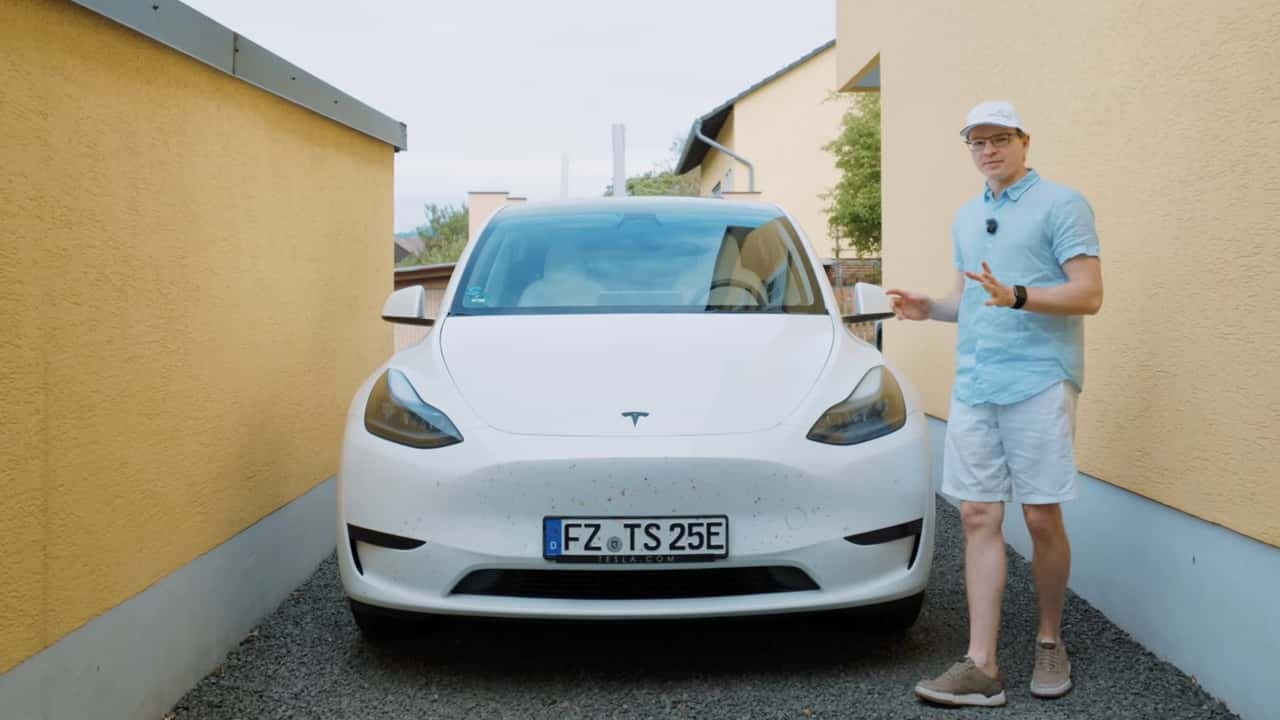
Tesla Model Y Battery Test: Early Degradation Followed by a Surprising Plateau
When an electric vehicle owner first notices their battery capacity dropping faster than expected, it can be alarming. For one Tesla Model Y owner who regularly fast-charged their LFP (lithium iron phosphate) battery pack, early health tests seemed to confirm the worst. The numbers looked bad — capacity appeared to be sliding at a concerning rate. But then something unexpected happened: the degradation almost completely stopped. This real-world battery story offers valuable lessons for Tesla owners, prospective EV buyers, and anyone curious about the long-term health of lithium iron phosphate batteries.
What Is an LFP Battery and Why Does Tesla Use It?
LFP stands for lithium iron phosphate, a battery chemistry that Tesla began adopting in its more affordable Model 3 and Model Y variants. Unlike the NMC (nickel manganese cobalt) chemistry found in higher-range Tesla models, LFP batteries are known for their superior thermal stability, longer cycle life, and reduced fire risk. They are also less reliant on expensive raw materials like cobalt, making them a cost-effective choice for mainstream electric vehicles.
One of the most notable advantages of LFP chemistry is that it can be safely charged to 100% on a regular basis — something Tesla actually recommends for LFP-equipped vehicles. In contrast, NMC owners are typically advised to keep daily charging at around 80% to preserve battery longevity. This distinction is important context for understanding the battery test results discussed in this article.
The Early Drop: Why New LFP Batteries Can Seem to Degrade Quickly
When the Model Y owner began tracking battery health, the initial readings suggested a worrying level of capacity loss. This kind of sharp early drop is not uncommon in LFP batteries and can be misleading if taken out of context. Several factors explain why newer LFP packs may appear to lose capacity quickly in their first months of use.
- Battery Management System (BMS) calibration: The BMS in a new EV takes time to learn the true full capacity of the battery. Early readings can be inaccurate until the system completes several full charge-discharge cycles to recalibrate itself.
- Initial chemical settling: In the first weeks and months of use, the electrochemical structure of a new battery pack undergoes minor internal changes as it "breaks in." This can cause a measurable but non-permanent reduction in usable capacity.
- Fast-charging habits: This particular Model Y was subjected to frequent DC fast charging, which is often cited as a contributing factor to accelerated early battery wear. High-current charging generates more heat and places greater stress on battery cells compared to slower AC charging at home.
Understanding these dynamics is crucial. What looks like catastrophic battery degradation in the first year is often largely an artifact of calibration and chemistry normalization, rather than a sign of terminal decline.
The Plateau: When Degradation Almost Stops
The genuinely encouraging finding in this case is what happened after that sharp early drop. Subsequent battery health tests on the same Model Y showed that degradation had slowed dramatically — to the point where the pack's capacity appeared to have stabilized. This phenomenon aligns with what battery researchers and long-term EV data trackers have observed across thousands of vehicles: LFP batteries often experience a steep initial drop followed by an extended period of very gradual, almost negligible, capacity loss.
This "plateau effect" is one of the key reasons LFP chemistry has gained such strong support among EV advocates who prioritize long-term ownership costs. While the upfront degradation can be alarming, the long-term trajectory is often far more favorable than that initial data suggests.
What This Means for Tesla Model Y Owners Who Fast-Charge Frequently
One of the common concerns among Tesla owners — and EV drivers in general — is whether frequent use of Superchargers or other DC fast-charging networks will significantly shorten the life of their battery. This real-world test offers some reassurance, particularly for LFP owners.
While fast charging does place additional stress on battery cells compared to Level 2 AC home charging, the overall impact on long-term LFP battery health appears to be manageable for most daily drivers. The key takeaways for owners who rely on fast charging are:
- Expect a noticeable but not catastrophic capacity drop in the first 12 to 18 months of ownership.
- Allow the BMS to recalibrate by completing periodic full charge cycles to 100%, as Tesla recommends for LFP vehicles.
- Monitor capacity trends over time rather than reacting to a single data point.
- Avoid charging to 100% and immediately leaving the vehicle parked in extreme heat, as thermal stress is a greater enemy of battery health than fast charging alone.
How to Test Your Tesla's Battery Health
Tesla does not provide a straightforward, built-in battery health percentage in the way some other EV brands do. However, owners have developed reliable methods to track degradation over time. The most common approach involves charging the battery to 100%, allowing the vehicle to idle for a few minutes to settle, and then recording the estimated range displayed on screen. By comparing this figure against the original EPA-rated range for that model year and configuration, owners can calculate an approximate health percentage.
Third-party apps and OBD-style diagnostic tools can offer more granular data, including individual cell voltage readings and state-of-health estimates pulled directly from the BMS. For owners who want the most accurate picture of battery condition, these tools — combined with consistent testing conditions — provide far better insight than relying on any single reading.
The Broader Lesson: Patience and Perspective in EV Battery Monitoring
The story of this Tesla Model Y's battery test is ultimately a story about patience. A single bad reading, or even a string of declining numbers in the early months of ownership, does not necessarily predict the long-term fate of an EV battery. Real-world LFP data consistently shows that the chemistry is capable of delivering strong performance well beyond 100,000 miles when treated with reasonable care.
For prospective Tesla buyers weighing the standard-range LFP models against longer-range NMC alternatives, this kind of real-world evidence should be genuinely reassuring. The lower upfront cost, the ability to charge daily to 100%, and the demonstrated longevity of LFP cells make the Model Y's base configuration a compelling long-term ownership proposition — even for drivers who depend heavily on fast charging.
As the EV industry matures and more long-term battery data becomes available, stories like this one will play an important role in setting realistic expectations and helping owners make informed decisions about how they charge, drive, and maintain their vehicles. The bottom line: if your LFP battery looked bad early on, it may be telling a much better story than you think.