
What Is a Cracked Engine Block and Why Does It Matter?
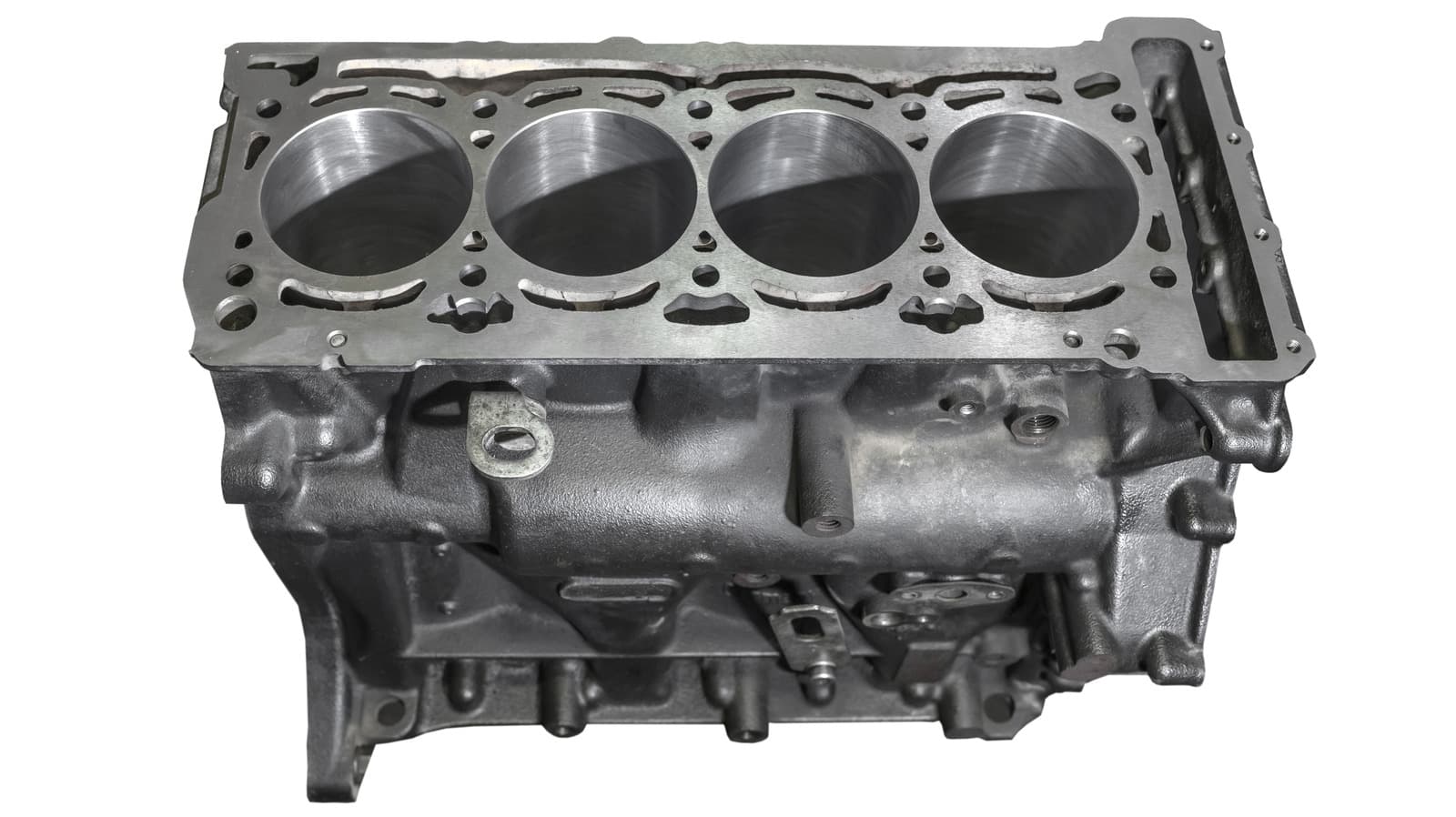
The engine block is the foundation of your car's powertrain. It houses the cylinders, pistons, coolant passages, and oil channels that keep everything running smoothly. When a crack forms in this critical component, the consequences can ripple through nearly every system in your vehicle. Coolant can mix with oil, compression can escape, and temperatures can spiral out of control — all within a surprisingly short period of time.
A cracked engine block is not a problem you can afford to ignore or delay addressing. The longer you drive with one, the more extensive and expensive the damage becomes. In many cases, a severely cracked block means the engine must be replaced entirely, which can cost thousands of dollars. Catching the symptoms early gives you the best chance of minimizing that financial blow — or avoiding it altogether.
So how do you know if your engine block is cracked? The symptoms are not always obvious at first, but when you know what to look for, the warning signs become much harder to miss.
Common Symptoms of a Cracked Engine Block
1. Engine Overheating
One of the earliest and most telling signs of a cracked engine block is persistent overheating. When a crack disrupts the coolant passages inside the block, coolant can no longer circulate efficiently through the engine. Without proper cooling, heat builds up rapidly, causing the temperature gauge to spike into dangerous territory.
If your engine is overheating regularly — especially without an obvious cause like a broken radiator or a faulty thermostat — a cracked block could be the culprit. Pay close attention to the temperature gauge on your dashboard, particularly during stop-and-go traffic or on long highway drives. A single overheating event should already prompt an inspection, but recurring episodes are a serious red flag.
2. White Smoke from the Exhaust
White or grayish smoke billowing from your exhaust pipe is a classic symptom of coolant entering the combustion chamber — a direct consequence of a cracked engine block. When a crack forms near a coolant jacket, coolant leaks into the cylinder, where it gets burned along with the fuel-air mixture. The result is that distinctive white smoke, often accompanied by a sweet smell.
It's worth noting that a small amount of white vapor on a cold morning is normal condensation. What you're watching for is thick, persistent white smoke that continues well after the engine has warmed up. That's a clear sign something is wrong internally.
3. Oil and Coolant Contamination
A cracked engine block can allow coolant and engine oil to mix together — a scenario that's damaging to both fluids and the components they're supposed to protect. Oil contaminated with coolant turns a milky, frothy brownish color and loses its lubricating properties, which accelerates wear on bearings, pistons, and other moving parts.
Check your oil dipstick and the underside of your oil filler cap regularly. If you notice a creamy, chocolate-milkshake-like residue, that's a strong indicator that coolant has made its way into the oil system. Similarly, if your coolant reservoir looks oily or discolored, the cross-contamination is likely going the other direction as well.
4. Visible External Coolant or Oil Leaks
Sometimes a cracked engine block will produce visible leaks on the outside of the engine. You might notice puddles of coolant or oil forming beneath your car, or streaks of dried fluid running down the side of the block. While leaks can stem from many sources — gaskets, hoses, seals — a crack in the block itself is a more serious underlying cause.
If you spot external leaking and your mechanic has ruled out gaskets and seals, have them perform a more thorough inspection of the block itself. A dye test or pressure test can help confirm whether a crack is the source of the leak.
5. Loss of Engine Power and Performance
Cracks that extend into or near the cylinder walls can cause a loss of compression, which directly translates to reduced engine power. You may notice your car feels sluggish, struggles to accelerate, or misfires under load. A compression test can reveal whether one or more cylinders are losing pressure — and a cracked block can be a reason why even after other potential causes have been addressed.
6. Failed Emissions Tests
Because a cracked block can allow coolant into the combustion process, it often produces elevated hydrocarbon readings during emissions testing. If your car keeps failing emissions checks despite having a tuned-up engine, an internal crack may be contributing unburned hydrocarbons to the exhaust stream.
What Causes an Engine Block to Crack?
Engine blocks most commonly crack due to extreme overheating, freezing temperatures when coolant isn't properly mixed with antifreeze, physical impact from accidents, or manufacturing defects. Cast iron and aluminum blocks both crack, though aluminum is generally more susceptible to heat-related damage. Neglected cooling system maintenance is often the root cause — something as simple as running low on coolant can set off a chain reaction that ends with a cracked block.
What Should You Do If You Suspect a Cracked Engine Block?
Stop driving the vehicle as soon as possible and have it inspected by a qualified mechanic. Continuing to drive with a cracked block risks catastrophic engine failure and can turn a serious problem into a complete write-off. Your mechanic can use pressure tests, block leak test kits, and visual inspection to confirm the diagnosis.
Repair options vary depending on the severity and location of the crack. Some minor cracks can be welded or sealed with specialized products, while major cracks typically require a full engine replacement. Either way, the sooner you act, the better your chances of a cost-effective repair — and the longer your car will stay on the road.