
Trump's Iran Deal and the Long Road Back to Normal Gas Prices
Diplomatic chatter between the United States and Iran has intensified in recent months, fueling cautious optimism that a new nuclear agreement could be within reach. For everyday drivers feeling the squeeze at the pump, that sounds like relief is just around the corner. But energy analysts and geopolitical experts are urging patience — even if a deal is signed tomorrow, the road back to stable, affordable gas prices is far longer and more complicated than most people realize.
What a New Iran Nuclear Deal Would Actually Mean for Oil Markets
At its core, a US-Iran nuclear agreement would be expected to lift or ease the sweeping economic sanctions that have kept Iranian oil largely off the global market for years. Iran sits on some of the world's largest proven crude oil reserves, and when sanctions were previously lifted under the 2015 Joint Comprehensive Plan of Action (JCPOA), Iranian oil exports surged — adding millions of barrels per day to global supply and helping drive prices down.
In theory, a similar dynamic could play out again. More Iranian oil flowing into global markets means increased supply, which puts downward pressure on prices. That eventually filters through to what consumers pay at the gas station. But the operative word here is "eventually," and that timeline is measured not in days or weeks, but in months — possibly many months.
The Strait of Hormuz Problem: More Than Just a Political Issue
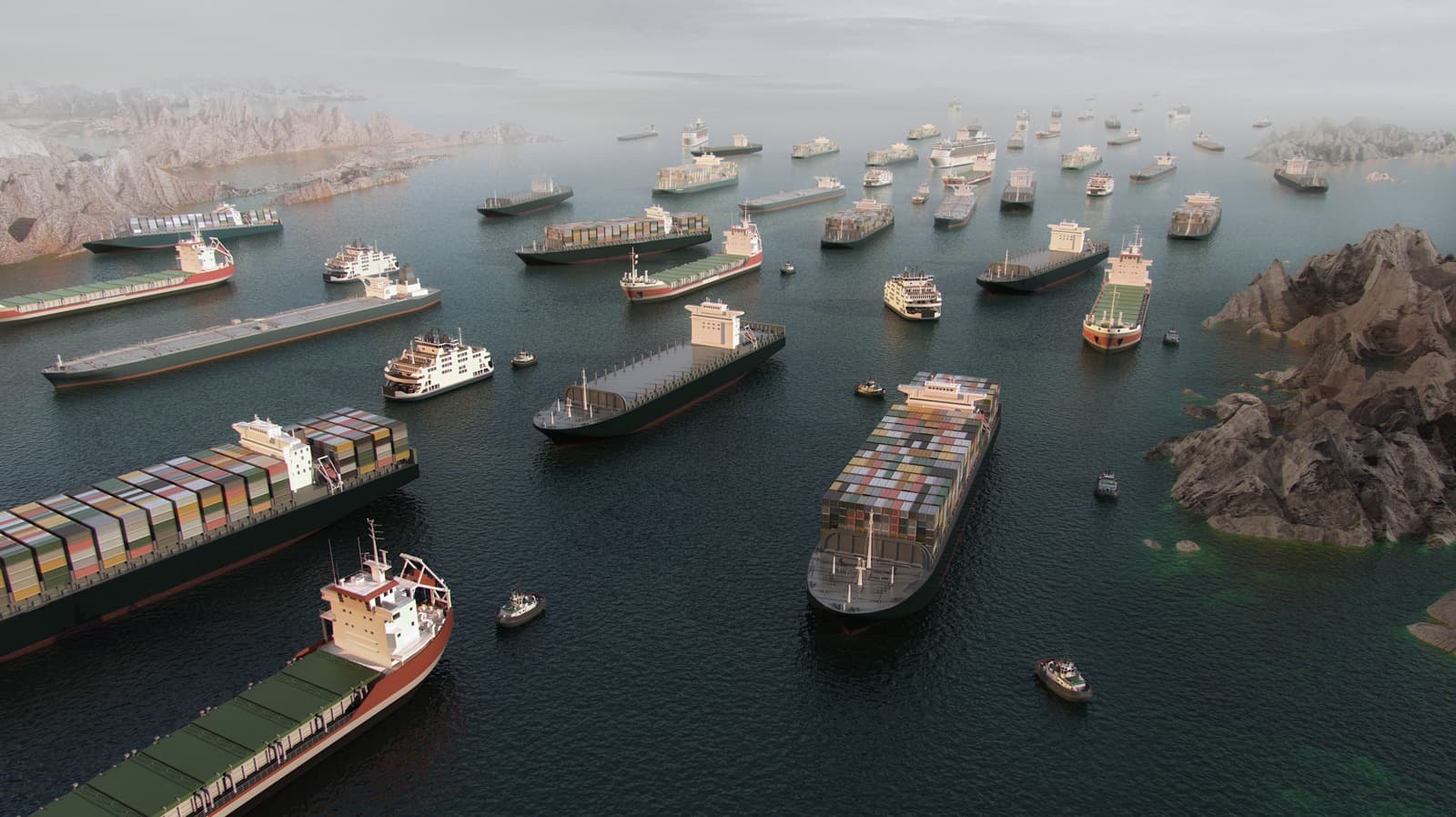
One of the central bottlenecks in any rapid supply recovery is the Strait of Hormuz, the narrow maritime chokepoint through which roughly 20 percent of the world's traded oil passes. Tensions in the region have long kept this critical passage under pressure, and recent reports suggest that reopening it to stable, unimpeded commercial shipping is only the beginning of a far more complex logistical challenge.
Mines laid in or near the strait during periods of heightened conflict don't simply disappear when diplomats shake hands. De-mining operations are slow, dangerous, and technically demanding. Naval clearance teams must locate, identify, and neutralize each device one by one — a process that can stretch on for weeks or months before shipping companies feel confident enough to resume normal transit without costly insurance surcharges or outright route avoidance.
Until that maritime corridor is certified as safe, many tanker operators will continue to reroute around the strait, adding thousands of miles to their journeys and significant costs to every barrel they move. Those costs do not evaporate at the stroke of a diplomatic pen.
Why Iranian Oil Can't Just Flood the Market Overnight
Beyond the strait, Iran's own oil infrastructure presents serious obstacles to a rapid production ramp-up. Years of sanctions have starved the country's energy sector of investment, modern equipment, and technical expertise. Oilfields that were once among the most productive in the world have seen output decline due to neglect, aging equipment, and a lack of access to Western technology and spare parts.
Getting Iranian production back to its pre-sanctions peak isn't as simple as turning a valve. The country would need to:
- Attract international energy companies back into the country, which requires legal clarity, contract certainty, and sustained diplomatic stability
- Secure financing and capital investment for field rehabilitation and new drilling programs
- Rebuild supply chains for equipment and materials that have been under embargo
- Re-establish long-term supply contracts with refiners in Asia, Europe, and elsewhere who shifted away from Iranian crude years ago
Each of these steps takes time. Most energy economists estimate it could take anywhere from six months to well over a year before Iran could meaningfully increase its crude output to levels that would noticeably shift global supply dynamics.
OPEC+ and the Wild Card of Global Oil Politics
Adding another layer of complexity is the behavior of OPEC+ — the broader alliance of oil-producing nations led by Saudi Arabia and Russia. This group has significant influence over global supply levels and has shown a willingness to adjust production quotas in response to changing market conditions. If Iranian oil begins flowing more freely, OPEC+ members may choose to cut their own production to offset the new supply and protect their preferred price range, potentially neutralizing much of the downward pressure on prices that a deal might otherwise create.
It's a dynamic that makes predicting the ultimate consumer impact of any Iran deal genuinely difficult, even for seasoned market analysts.
What Should Drivers and Consumers Realistically Expect?
The honest answer is: tempered expectations. A real, durable Iran nuclear deal — if one is achieved — would be broadly positive for global oil markets over the medium term. It adds supply, reduces geopolitical risk premium baked into crude prices, and signals a degree of regional stability that markets respond to positively.
But the idea that gas prices will drop sharply within weeks of a deal announcement is almost certainly a fantasy. Between de-mining operations, infrastructure rehabilitation, tanker rerouting, OPEC+ maneuvering, and the slow mechanics of global commodity markets, the journey from diplomatic breakthrough to relief at the pump is measured in months at best.
The Bottom Line
Trump's Iran negotiations may be generating real momentum, and a deal — if finalized — could eventually bring meaningful relief to oil and gas markets. But experts are consistent in their warning: don't expect miracles overnight. Opening the Strait of Hormuz and clearing it of mines is only the beginning of a long, technically demanding, and geopolitically complex process. For drivers hoping to see lower prices at the pump, patience remains the most realistic posture for now.