
Waymo Faces Major Recall Over Freeway Construction Zone Safety Concerns
Waymo, the autonomous vehicle subsidiary of Alphabet Inc. and one of the most recognized names in the self-driving car industry, is confronting a significant safety recall that has placed nearly 4,000 of its robotaxis under scrutiny. The issue centers on a software defect that could potentially cause Waymo vehicles to navigate into active freeway construction zones — a scenario that poses serious risks to passengers, construction workers, and other road users. The recall has drawn widespread attention, raising fresh questions about the readiness of autonomous vehicle technology for widespread public deployment.
What Triggered the Waymo Recall?
The recall was initiated after federal safety regulators identified a flaw in Waymo's onboard software that governs how its vehicles detect, interpret, and respond to road conditions. Specifically, the software exhibited a deficiency in recognizing temporary traffic control measures — such as construction signage, lane closures, and barrier placements — that are commonly found in freeway work zones.
Construction zones are among the most dynamic and unpredictable environments on American roads. Lane configurations shift frequently, speed limits are reduced, and workers operate in close proximity to moving traffic. For a human driver, navigating these zones requires sharp attention and real-time decision-making. For an autonomous vehicle, it demands an exceptionally well-calibrated software system capable of processing rapidly changing inputs. When that system falls short, the consequences can be severe.
According to reports from the National Highway Traffic Safety Administration (NHTSA), the defect did not necessarily mean Waymo cars would recklessly barrel through construction sites at full speed. Rather, the concern was that the vehicles might fail to appropriately adjust their behavior — such as slowing down, changing lanes, or stopping — when encountering active work zones on freeways. Even a subtle misjudgment in such environments can lead to catastrophic outcomes.
How Many Vehicles Are Affected?
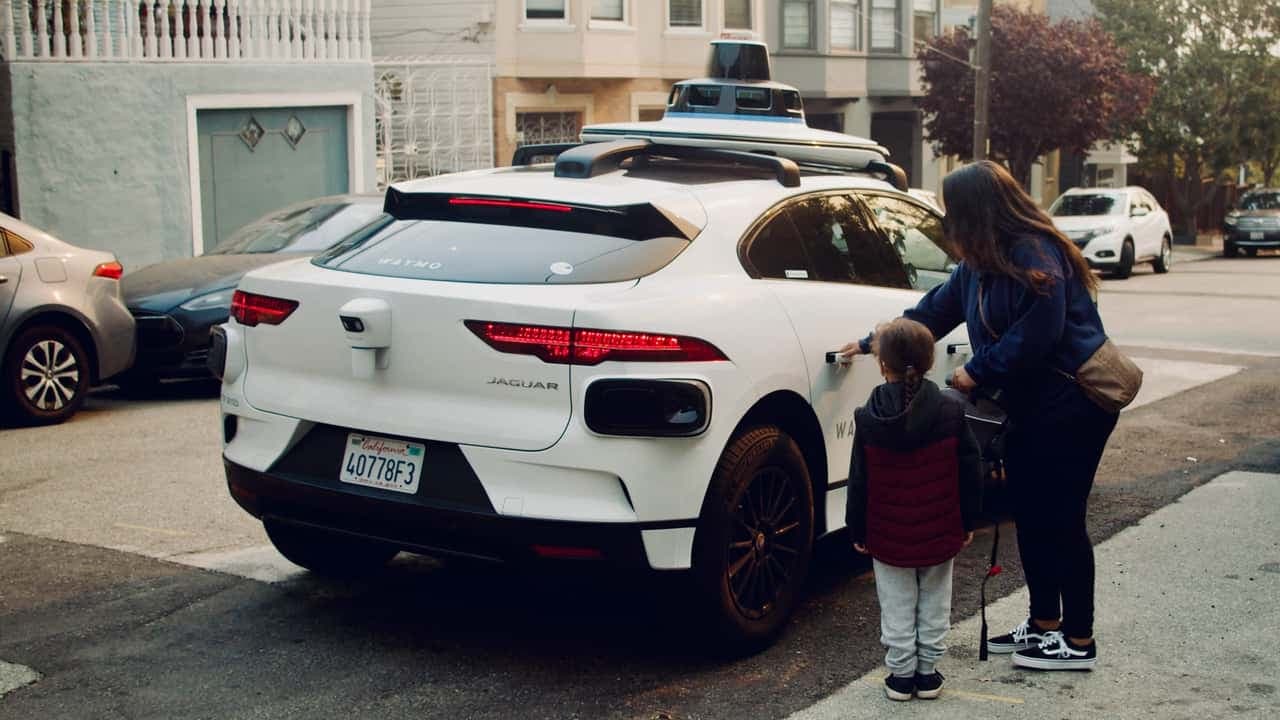
The scope of the recall is notable. Close to 4,000 Waymo vehicles are impacted, making it one of the largest autonomous vehicle recalls in U.S. history by fleet size. Waymo currently operates its commercial robotaxi services in select cities, including San Francisco, Phoenix, and Los Angeles, where the company has been steadily expanding its footprint.
The affected vehicles span Waymo's active fleet — the same cars that carry real passengers through real city streets every single day. That reality underscores the urgency of the fix and the importance of the recall process in catching potential safety gaps before they result in tragic incidents.
The Software Fix: What Waymo Is Doing About It
Waymo has confirmed that all affected vehicles will receive an over-the-air (OTA) software update to address the flaw. Unlike traditional automotive recalls that require vehicle owners to bring their cars into a dealership for physical repairs, software-based issues in autonomous vehicles can often be resolved remotely — a significant advantage of modern connected vehicle architecture.
The company has stated that the updated software improves the system's ability to detect and properly respond to temporary traffic control devices in construction zones. This includes enhanced recognition of orange barrels, temporary signage, reduced speed limit indicators, and lane narrowing configurations that are hallmarks of roadway work areas.
Waymo has also emphasized its commitment to safety as a core principle of its operations. The company cooperated fully with NHTSA throughout the investigation, and the recall is seen as a proactive step rather than an admission of widespread failure. No serious injuries or fatalities have been publicly attributed to this specific software defect.
What This Means for the Autonomous Vehicle Industry
The Waymo recall is more than just a company-specific incident — it is a pivotal moment for the entire autonomous vehicle industry. Self-driving technology has long been touted as a future-forward solution to human driving error, traffic fatalities, and transportation inefficiency. Yet recalls like this one serve as a reminder that even the most sophisticated AI-driven systems are not infallible.
Regulators, consumers, and industry observers are watching closely. The NHTSA has been increasingly attentive to autonomous vehicle safety, ramping up oversight as companies like Waymo, Cruise, and Tesla push the boundaries of what automated systems can do on public roads. Each recall, investigation, or incident shapes the regulatory framework that will ultimately govern how self-driving cars are tested, deployed, and monitored.
Key Challenges Self-Driving Cars Face in Construction Zones
- Dynamic lane shifts: Construction zones often redirect traffic in ways that differ significantly from standard road markings, confusing sensor-based navigation systems.
- Temporary signage recognition: AI systems must be trained to identify non-permanent signs and barriers that differ visually from standard road infrastructure.
- Reduced speed compliance: Autonomous vehicles must reliably detect posted work zone speed limits and adjust accordingly, even when signage is partially obscured or poorly lit.
- Worker proximity detection: Flaggers and construction workers may be standing in or near active lanes, requiring nuanced object detection and predictive behavior.
- Sudden traffic pattern changes: Merge scenarios in construction zones can be abrupt and unpredictable, demanding rapid and accurate vehicle response.
Public Trust and the Road Ahead
Perhaps the most significant consequence of the Waymo recall is its potential impact on public confidence in autonomous vehicles. Trust is the currency of the self-driving car industry. Waymo has worked for years to build a reputation as the safety leader in robotaxi operations, accumulating millions of miles of real-world driving data. A recall of this magnitude, while handled responsibly, will inevitably prompt consumers and policymakers to ask harder questions about how ready these systems truly are.
That said, recalls are a normal — even healthy — part of any technology's maturation process. The ability to identify a flaw, communicate it transparently, and deploy a rapid software fix is, in many ways, evidence that the safety systems surrounding autonomous vehicles are functioning as intended. The goal was never perfection on day one; it was continuous improvement backed by rigorous oversight.
Final Thoughts
The Waymo recall involving nearly 4,000 vehicles and a software fix targeting freeway construction zone behavior is a defining moment for autonomous vehicle safety. It highlights both the extraordinary complexity of building machines capable of navigating the full spectrum of real-world road conditions and the critical role that regulatory oversight plays in keeping the public safe. As Waymo deploys its software patch and continues refining its systems, the broader industry will be taking careful notes — and so will the millions of people who may one day rely on self-driving cars to get them safely from point A to point B.